The post China Urges Pause on RWA Asset Tokenization in Hong Kong appeared on BitcoinEthereumNews.com. Key Highlights: Chinese securities regulators asked some brokerages to pause RWA tokenization in Hong Kong.  Hong Kong is pushing digital assets, with firms offering trading, advice and stablecoin licenses even though there are strict rules.  The global RWA may reach $2 trillion by 2030.  China’s securities regulator has quietly instructed some of its local brokerages to pause their real-world asset (RWA) tokenization project in Hong Kong, according to Reuters. This move by the Chinese regulators indicates caution towards the fast-growing digital asset trend. The decision comes as Hong Kong pushes harder to become a key centre for crypto and tokenization, showing a clear policy gap between the mainland and the city. CSRC Issue Informal Guidance According to the report published by Reuters, the China Securities Regulatory Commission (CSRC) recently gave informal guidance to at least two brokerages, telling them to pause offshore RWA projects. The main goal of the regulator here is to make sure that the blockchain-based businesses are solid, with clear claims tied to real and sustainable operations rather than speculations. RWA tokenization is a process where traditional assets such as stocks, bonds, real estate, and funds are converted into blockchain tokens and they can be traded or used in the decentralized finance (DeFi). In the last few months, many of the Chinese firms, which also includes GF Securities and China Merchant Bank International (CMBI), have already tested such products in Hong Kong. Why Beijing is Cautious? Beijing is cautious because it is worried about risks to the economy and money leaving the country. Since it had banned crypto mining and trading in 2021, regulators have made sure that strict rules exist to protect the value of the renminbi and stop people from speculating. If Chinese brokers run tokenization projects in Hong Kong, local investors would have an… The post China Urges Pause on RWA Asset Tokenization in Hong Kong appeared on BitcoinEthereumNews.com. Key Highlights: Chinese securities regulators asked some brokerages to pause RWA tokenization in Hong Kong.  Hong Kong is pushing digital assets, with firms offering trading, advice and stablecoin licenses even though there are strict rules.  The global RWA may reach $2 trillion by 2030.  China’s securities regulator has quietly instructed some of its local brokerages to pause their real-world asset (RWA) tokenization project in Hong Kong, according to Reuters. This move by the Chinese regulators indicates caution towards the fast-growing digital asset trend. The decision comes as Hong Kong pushes harder to become a key centre for crypto and tokenization, showing a clear policy gap between the mainland and the city. CSRC Issue Informal Guidance According to the report published by Reuters, the China Securities Regulatory Commission (CSRC) recently gave informal guidance to at least two brokerages, telling them to pause offshore RWA projects. The main goal of the regulator here is to make sure that the blockchain-based businesses are solid, with clear claims tied to real and sustainable operations rather than speculations. RWA tokenization is a process where traditional assets such as stocks, bonds, real estate, and funds are converted into blockchain tokens and they can be traded or used in the decentralized finance (DeFi). In the last few months, many of the Chinese firms, which also includes GF Securities and China Merchant Bank International (CMBI), have already tested such products in Hong Kong. Why Beijing is Cautious? Beijing is cautious because it is worried about risks to the economy and money leaving the country. Since it had banned crypto mining and trading in 2021, regulators have made sure that strict rules exist to protect the value of the renminbi and stop people from speculating. If Chinese brokers run tokenization projects in Hong Kong, local investors would have an…

China Urges Pause on RWA Asset Tokenization in Hong Kong

Key Highlights:

  • Chinese securities regulators asked some brokerages to pause RWA tokenization in Hong Kong. 
  • Hong Kong is pushing digital assets, with firms offering trading, advice and stablecoin licenses even though there are strict rules. 
  • The global RWA may reach $2 trillion by 2030. 

China’s securities regulator has quietly instructed some of its local brokerages to pause their real-world asset (RWA) tokenization project in Hong Kong, according to Reuters. This move by the Chinese regulators indicates caution towards the fast-growing digital asset trend. The decision comes as Hong Kong pushes harder to become a key centre for crypto and tokenization, showing a clear policy gap between the mainland and the city.

CSRC Issue Informal Guidance

According to the report published by Reuters, the China Securities Regulatory Commission (CSRC) recently gave informal guidance to at least two brokerages, telling them to pause offshore RWA projects. The main goal of the regulator here is to make sure that the blockchain-based businesses are solid, with clear claims tied to real and sustainable operations rather than speculations.

RWA tokenization is a process where traditional assets such as stocks, bonds, real estate, and funds are converted into blockchain tokens and they can be traded or used in the decentralized finance (DeFi). In the last few months, many of the Chinese firms, which also includes GF Securities and China Merchant Bank International (CMBI), have already tested such products in Hong Kong.

Why Beijing is Cautious?

Beijing is cautious because it is worried about risks to the economy and money leaving the country. Since it had banned crypto mining and trading in 2021, regulators have made sure that strict rules exist to protect the value of the renminbi and stop people from speculating. If Chinese brokers run tokenization projects in Hong Kong, local investors would have an indirect access, which could surely weaken those controls.

This caution is like what happened last month, when regulator told big brokerages to stop putting out reports that supported stablecoins, as more and more people in China started showing interest in them.

Hong Kong Charts a Different Course

On the contrary, Hong Kong regulators are supporting tokenization. The Financial Services and the Treasury Bureau (FSTB) and the Hong Kong Monetary Authority (HKMA) are reviewing the rules and operations around RWA, learning from global trials. The city has even rolled out a stablecoin regulatory framework and has started giving licenses to companies that provide virtual asset trading.

By the end of August, the HKMA said that 77 firms had already applied or shown interest in licenses which indicates the strong interest and enthusiasm. Officials are now hopeful that this will help Hong Kong become a top Asian hub for blockchain finance, competing with places such as Singapore, Dubai and Switzerland, which already have tokenization rules in place.

Industry Momentum Continues

Even though there is caution from the regulators, some companies are still moving ahead with tokenization. GF Securities launched “GF tokens” in June, which is backed by dollar, and offshore renminbi. Last month, CMBI managed to raise 500 million yuan ($70.3 million) Shenzhen Futian Investment with a digital bond, and Seazen Group opened a Hong Kong hub for tokenization. Global firms are joining in too, for example, UBS issued a tokenized U.S. Treasury fund on Ethereum, and JPMorgan tested tokenized money market funds.

The Scale of Opportunity

The RWA market as of now has around $29 billion and it is being predicted that the number can jump up to $2 trillion by 2030. Global studies also estimate that $60-20 trillion more assets could get tokenized in the future. Tokenization can increase liquidity, allow trading 24/7 and speed up settlements. However, risks like low investor protection, unclear standards, and inflated yields persist.

The Road Ahead

It is still not clear as to how long China will pause RWA tokenization. Hong Kong wants to be a top blockchain hub but Beijing’s caution may slow Chinese firms, while global banks’ token projects show the $2 trillion opportunities.

Also Read: BitGo Files for IPO after Revenue Surge in First Half


Source: https://www.cryptonewsz.com/china-pause-rwa-tokenization-hong-kong/
Market Opportunity
LETSTOP Logo
LETSTOP Price(STOP)
$0.01525
$0.01525$0.01525
-2.55%
USD
LETSTOP (STOP) Live Price Chart
Disclaimer: The articles reposted on this site are sourced from public platforms and are provided for informational purposes only. They do not necessarily reflect the views of MEXC. All rights remain with the original authors. If you believe any content infringes on third-party rights, please contact service@support.mexc.com for removal. MEXC makes no guarantees regarding the accuracy, completeness, or timeliness of the content and is not responsible for any actions taken based on the information provided. The content does not constitute financial, legal, or other professional advice, nor should it be considered a recommendation or endorsement by MEXC.

You May Also Like

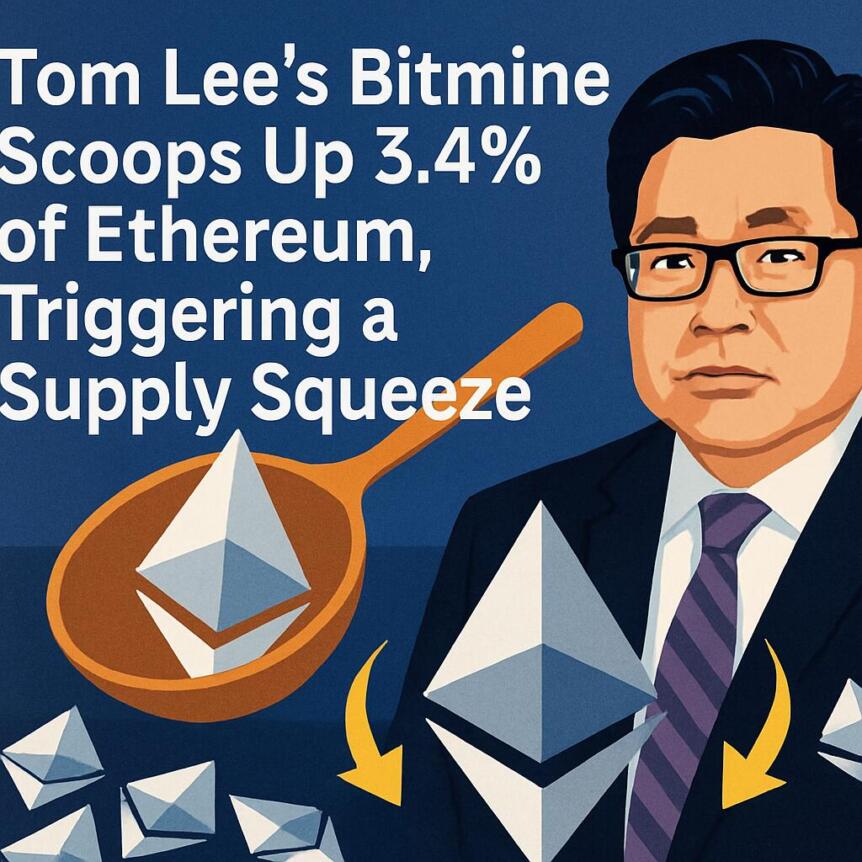
Tom Lee’s Bitmine Scoops Up 3.4% of Ethereum, Triggering a Supply Squeeze

Tom Lee’s Bitmine Scoops Up 3.4% of Ethereum, Triggering a Supply Squeeze

Bitmine Immersion now controls 3.4% of Ethereum amid shrinking exchange supply and rising institutional accumulation.
Share
Crypto Breaking News2026/01/20 16:27
Bitcoin & Ethereum Updates, Plus How XYZVerse Is Gaining Ground After Raising Over $15 Million

Bitcoin & Ethereum Updates, Plus How XYZVerse Is Gaining Ground After Raising Over $15 Million

Major changes are unfolding as two key digital coins show new trends. At the same time, a fresh player named XYZVerse is catching attention with a large funding round. This shift in the market suggests new directions ahead. Find out what’s happening and why many eyes are on these latest moves. Bitcoin: Digital Gold Shines […] Continue Reading: Bitcoin & Ethereum Updates, Plus How XYZVerse Is Gaining Ground After Raising Over $15 Million
Share
Coinstats2025/09/19 05:27
Solana co-founder urges need for Bitcoin to adopt quantum resistance for future security

Solana co-founder urges need for Bitcoin to adopt quantum resistance for future security

The post Solana co-founder urges need for Bitcoin to adopt quantum resistance for future security appeared on BitcoinEthereumNews.com. Solana co-founder Anatoly Yakovenko is urging the Bitcoin community to begin transitioning to quantum-resistant security measures, warning that advances in quantum computing may arrive faster than expected. Speaking during a Sept. 18 session at the All-In Summit, said the accelerating pace of technological breakthroughs means Bitcoin should not wait until the threat is imminent. According to him: “We should migrate Bitcoin to a quantum-resistant signature scheme. This is my bet, and it’s because so many technologies are converging right now, and this asymptotic rate of AI and how fast it’s accelerating—going from a research paper to an implementation—is astounding. So I would try to encourage folks to speed things up.” Yakovenko’s position is unsurprising, as market concerns over Bitcoin’s vulnerability to quantum-powered attacks have gained momentum following companies like Google reporting advances in the space. Considering this, he argued that these major tech firms’ adoption of quantum-resistant cryptography should signal the right time for Bitcoin to migrate its security architecture. The Solana co-founder furthered: “My key for this is Google and Apple adopting a quantum-resistant cryptographic stack. This is the time to go migrate, because now the consumer side of it is effectively solved and you don’t have to kind of wait. So you watch where Google’s going.” However, despite Yakovenko’s warnings, industry experts remain split on the technological advancements timeline as some argue that breakthroughs could occur within this decade, while others contend that the risks remain distant. Regardless of when its implementation occurs, Yakovenko stressed that the technology would be both a challenge and an opportunity. He said: “For the general public, quantum computing is such a massive unlock in terms of how much we can process that it’s going to be as big of a wealth creator, if we pull it off, as AI.” Bitcoin remains resilient…
Share
BitcoinEthereumNews2025/09/19 23:06