According to multiple reports, MoneyGram is rolling out a new mobile app in Colombia that lets users receive, hold and move money using USD-backed stablecoins, specifically USDC. Related Reading: Ethereum Giant The Ether Machine Aims For US Public Debut The service is being positioned as a hybrid: a stored-value USD balance that can be funded, […]According to multiple reports, MoneyGram is rolling out a new mobile app in Colombia that lets users receive, hold and move money using USD-backed stablecoins, specifically USDC. Related Reading: Ethereum Giant The Ether Machine Aims For US Public Debut The service is being positioned as a hybrid: a stored-value USD balance that can be funded, […]

MoneyGram Taps Stablecoins To Shield Colombians From Peso Weakness

2025/09/18 20:30
2 min read
For feedback or concerns regarding this content, please contact us at crypto.news@mexc.com

According to multiple reports, MoneyGram is rolling out a new mobile app in Colombia that lets users receive, hold and move money using USD-backed stablecoins, specifically USDC.

The service is being positioned as a hybrid: a stored-value USD balance that can be funded, received and cashed out through MoneyGram’s existing network. The launch is set to start in Colombia before a wider regional rollout.

Stablecoins Meet Money Transfer Agents

MoneyGram will use the Stellar blockchain for settlement and has partnered with Crossmint for wallet infrastructure.

Users will not be required to handle private keys or pay gas fees directly; the blockchain work is hidden behind the app.

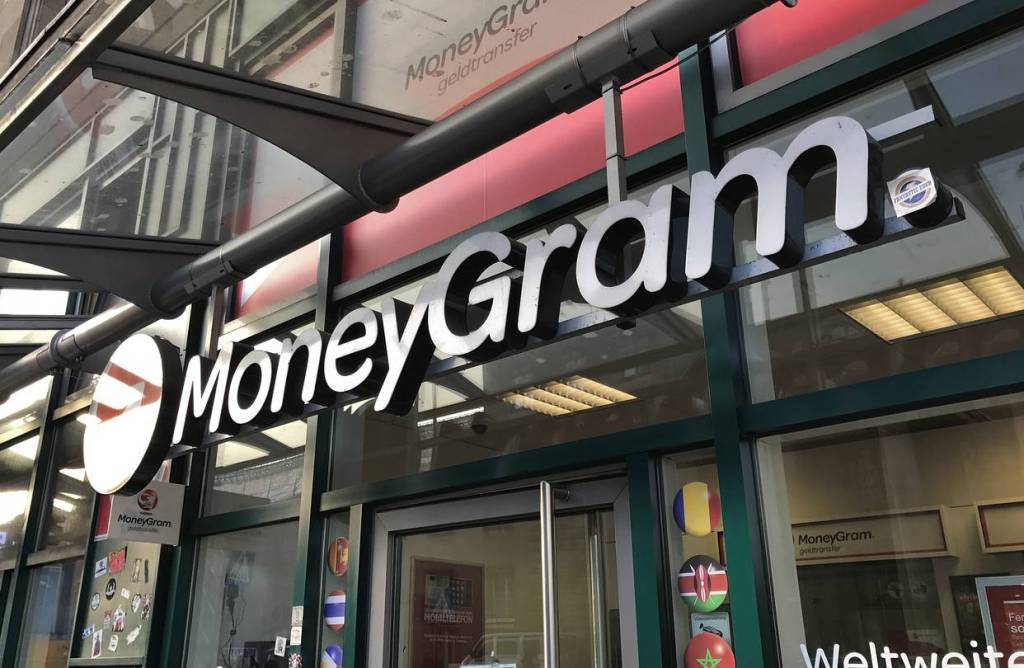
Reports say MoneyGram already counts more than 6,000 retail locations in Colombia, giving users clear places to convert between USDC and Colombian pesos.

Why Some People Might Use It

The Colombian peso has lost over 40% of its value in recent years, and that erosion of buying power is a major reason people are interested in holding value in a USD-pegged unit.

The app promises near-instant receipt of funds in the USDC balance, which could cut down on delays tied to conventional remittances.

Cash-outs to pesos will be possible at MoneyGram agents, and the company is planning card features that would let users spend in USD outside the country.

Regulatory Questions Remain

Reports have disclosed that regulators, KYC and AML rules will shape how the product is rolled out and used.

The legal framework for stablecoins in Colombia is still evolving, and how protections apply to stored USDC balances is not fully spelled out in public documents. That could affect limits on transfers, reporting rules and fees.
What Users Should Watch For

Fees for converting between USDC and pesos, agent commissions, and any withdrawal costs were not fully detailed in the initial announcements.

Liquidity and the maintenance of the USDC peg are other factors users should keep in mind. While stablecoins aim to track the US dollar, risks around backing, liquidity and market pressure can affect that peg.

MoneyGram is launching basic functions first and has said that debit card spending in USD and incentive programs for deposits are planned but not available at day one.

The firm describes the app as a way to give people more choice about how they hold and move money, without requiring deep crypto knowledge.

Featured image from PlanetofHotels.com, chart from TradingView

Market Opportunity
Helium Mobile Logo
Helium Mobile Price(MOBILE)
$0.0001632
$0.0001632$0.0001632
-0.12%
USD
Helium Mobile (MOBILE) Live Price Chart
Disclaimer: The articles reposted on this site are sourced from public platforms and are provided for informational purposes only. They do not necessarily reflect the views of MEXC. All rights remain with the original authors. If you believe any content infringes on third-party rights, please contact crypto.news@mexc.com for removal. MEXC makes no guarantees regarding the accuracy, completeness, or timeliness of the content and is not responsible for any actions taken based on the information provided. The content does not constitute financial, legal, or other professional advice, nor should it be considered a recommendation or endorsement by MEXC.

You May Also Like

Shiba Inu Leader Breaks Silence on $2.4M Shibarium Exploit, Confirms Active Recovery

Shiba Inu Leader Breaks Silence on $2.4M Shibarium Exploit, Confirms Active Recovery

The lead developer of Shiba Inu, Shytoshi Kusama, has publicly addressed the Shibarium bridge exploit that occurred recently, draining $2.4 million from the network. After days of speculation about his involvement in managing the crisis, the project leader broke his silence.Kusama emphasized that a special ”war room” has been set up to restore stolen finances and enhance network security. The statement is his first official words since the bridge compromise occurred.”Although I am focusing on AI initiatives to benefit all our tokens, I remain with the developers and leadership in the war room,” Kusama posted on social media platform X. He dismissed claims that he had distanced himself from the project as ”utterly preposterous.”The developer said that the reason behind his silence at first was strategic. Before he could make any statements publicly, he must have taken time to evaluate what he termed a complex and deep situation properly. Kusama also vowed to provide further updates in the official Shiba Inu channels as the team comes up with long-term solutions.Attack Details and Immediate ResponseAs highlighted in our previous article, targeted Shibarium's bridge infrastructure through a sophisticated attack vector. Hackers gained unauthorized access to validator signing keys, compromising the network's security framework.The hackers executed a flash loan to acquire 4.6 million BONE ShibaSwap tokens. The validator power on the network was majority held by them after this purchase. They were able to transfer assets out of Shibarium with this control.The response of Shibarium developers was timely to limit the breach. They instantly halted all validator functions in order to avoid additional exploitation. The team proceeded to deposit the assets under staking in a multisig hardware wallet that is secure.External security companies were involved in the investigation effort. Hexens, Seal 911, and PeckShield are collaborating with internal developers to examine the attack and discover vulnerabilities.The project's key concerns are network stability and the protection of user funds, as underlined by the lead developer, Dhairya. The team is working around the clock to restore normal operations.In an effort to recover the funds, Shiba Inu has offered a bounty worth 5 Ether ($23,000) to the hackers. The bounty offer includes a 30-day deadline with decreasing rewards after seven days.Market Impact and Recovery IncentivesThe exploit caused serious volatility in the marketplace of Shiba Inu ecosystem tokens. SHIB dropped about 6% after the news of the attack. However, The token has bounced back and is currently trading at around $0.00001298 at the time of writing.SHIB Price Source CoinMarketCap
Share
Coinstats2025/09/18 02:25
‘Gold Pillars Crumbling?’ Strategist Questions Durability of Gold’s Geopolitical Bid

‘Gold Pillars Crumbling?’ Strategist Questions Durability of Gold’s Geopolitical Bid

Gold’s geopolitical premium may be fading as crude oil and silver eye powerful upside, with shifting global tensions and market volatility poised to redraw the
Share
Coinstats2026/03/04 10:30
Headwind Helps Best Wallet Token

Headwind Helps Best Wallet Token

The post Headwind Helps Best Wallet Token appeared on BitcoinEthereumNews.com. Google has announced the launch of a new open-source protocol called Agent Payments Protocol (AP2) in partnership with Coinbase, the Ethereum Foundation, and 60 other organizations. This allows AI agents to make payments on behalf of users using various methods such as real-time bank transfers, credit and debit cards, and, most importantly, stablecoins. Let’s explore in detail what this could mean for the broader cryptocurrency markets, and also highlight a presale crypto (Best Wallet Token) that could explode as a result of this development. Google’s Push for Stablecoins Agent Payments Protocol (AP2) uses digital contracts known as ‘Intent Mandates’ and ‘Verifiable Credentials’ to ensure that AI agents undertake only those payments authorized by the user. Mandates, by the way, are cryptographically signed, tamper-proof digital contracts that act as verifiable proof of a user’s instruction. For example, let’s say you instruct an AI agent to never spend more than $200 in a single transaction. This instruction is written into an Intent Mandate, which serves as a digital contract. Now, whenever the AI agent tries to make a payment, it must present this mandate as proof of authorization, which will then be verified via the AP2 protocol. Alongside this, Google has also launched the A2A x402 extension to accelerate support for the Web3 ecosystem. This production-ready solution enables agent-based crypto payments and will help reshape the growth of cryptocurrency integration within the AP2 protocol. Google’s inclusion of stablecoins in AP2 is a massive vote of confidence in dollar-pegged cryptocurrencies and a huge step toward making them a mainstream payment option. This widens stablecoin usage beyond trading and speculation, positioning them at the center of the consumption economy. The recent enactment of the GENIUS Act in the U.S. gives stablecoins more structure and legal support. Imagine paying for things like data crawls, per-task…
Share
BitcoinEthereumNews2025/09/18 01:27