




Intermediate Guide FAQ
You can fund an account, execute trades, and move assets between wallets without tutorials — and you have not yet built the layer above it: reading markets, sizing positions deliberately, evaluating tokens on their mechanics, securing meaningful amounts properly. Intermediate is competence without process. The material here builds the process.
In order of payoff: order types beyond market buys, because execution discipline is free money you are currently leaving behind. Then position sizing, because it decides survival. Then chart literacy, so price action informs rather than spooks you. Then tokenomics, so you can read what you own. Leverage is deliberately absent from this list — it amplifies whichever habits exist, so it comes after good ones.
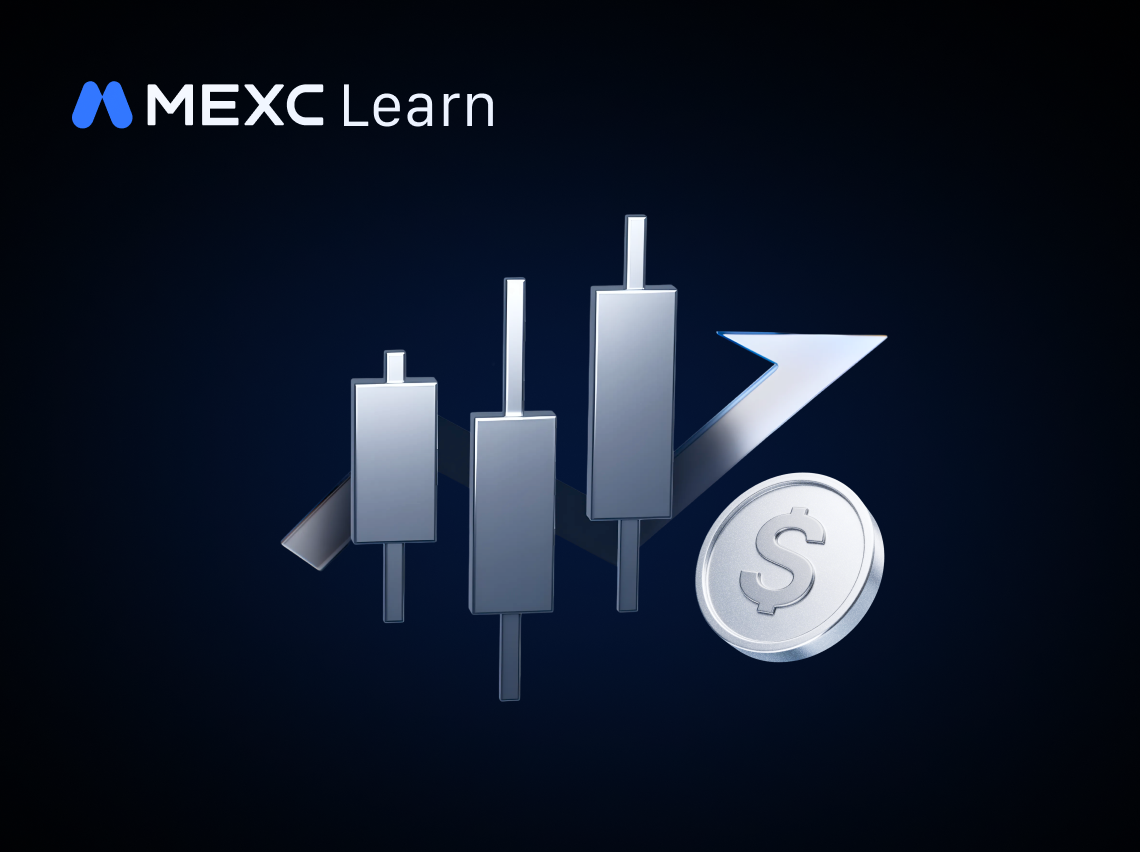
Each candle compresses four facts for its period — where price opened, closed, and the extremes between — with the body showing open-to-close and wicks showing rejection beyond it. Reading them is less about memorising named patterns than asking one question: who was in control this period, and did that change? Add volume to see conviction. Everything else is refinement on that.
At minimum three. Limit orders, which name your price and stop paying the spread for impatience. Stop-loss orders, which pre-commit your exit while you are still rational. Take-profit orders, the same discipline pointed upward. Together they mean a trade's outcomes are decided at entry — which is the actual dividing line between trading and reacting.
The full order panel — limit, stop-loss and take-profit — plus price alerts, so watching becomes notification instead of refreshing. Spot only remains the right scope: MEXC's leveraged products are real tools covered in the Advanced hub, and arriving there with these habits already built is the entire point of this stage. Check the platform for current tool availability by market.