

Grass (GRASS) Surges 37.9% as DePIN Narrative Attracts Fresh Capital in 2026
Grass (GRASS) has emerged as one of the strongest performers in the decentralized physical infrastructure network (DePIN) sector this week, posting a 37.9% surge in 24 hours to reach $0.2728. More striking than the single-day move is the token’s 49.8% weekly gain, signaling sustained buying pressure rather than a fleeting pump. Our analysis of the current market structure reveals several factors converging to drive this momentum, though significant technical resistance remains ahead.
The most notable data point lies in the volume-to-market-cap ratio: GRASS generated $57.8 million in trading volume against a $128.8 million market cap over the past 24 hours. This 44.9% ratio indicates genuine market interest rather than thin-book manipulation, a critical distinction in the mid-cap altcoin space where false breakouts are common. We observe that this volume surge represents a 38% increase in dollar terms, closely matching the price appreciation—a healthy sign of organic demand.
Market Position and Valuation Metrics Reveal Upside Potential
At rank #228 by market capitalization, Grass occupies an interesting position in the DePIN ecosystem. The token’s fully diluted valuation (FDV) stands at $273.1 million, with 47.2% of maximum supply already circulating (471.6 million of 1 billion tokens). This relatively high circulating percentage reduces the overhang risk that plagues many newer projects trading at inflated FDV multiples.
The current price of $0.2728 represents a 92.9% drawdown from the November 2024 all-time high of $3.89, yet sits 65.7% above the February 2026 all-time low of $0.1668. This positioning suggests GRASS has established a local bottom and entered a recovery phase, though it remains deep in retracement territory. We calculate that the token would need to appreciate 1,326% to revisit its ATH—a reminder of the significant work ahead for sustained recovery.
What makes this current rally particularly interesting is the 30-day performance context. While GRASS is up 12.3% over the past month, the bulk of gains have materialized in the recent 7-day window. This acceleration pattern often indicates a catalyst-driven move rather than gradual accumulation, raising questions about sustainability.
Technical Structure and Critical Resistance Levels
From a technical perspective, GRASS has broken through several minor resistance levels but faces a significant test ahead. The 24-hour high of $0.2851 represents the immediate ceiling, established during the overnight session. Our analysis of order book depth suggests concentrated sell walls beginning at $0.30, a psychological level that could trigger profit-taking from traders who accumulated near the February lows.
The intraday pullback of 1.43% in the past hour demonstrates normal consolidation behavior after an extended rally. The low of $0.1971 in the 24-hour window now serves as short-term support, representing a 44.6% distance from current prices—a substantial gap that underscores the volatility inherent in this trading range.
We note that GRASS would need to establish sustained trading above $0.32-$0.35 to confirm a structural shift from recovery bounce to genuine uptrend. Until then, the current move remains within the broader context of a deep correction from 2024 highs.
DePIN Sector Dynamics and Competitive Positioning
Grass operates in the decentralized bandwidth sharing space, a subset of DePIN infrastructure that has gained traction as AI data demands increase. The project incentivizes users to share unused internet bandwidth in exchange for GRASS tokens, creating a distributed network for data collection and processing. In 2026, as AI model training costs escalate and data privacy concerns intensify, DePIN solutions offering decentralized alternatives have attracted renewed institutional interest.
However, we must contextualize GRASS’s position within a competitive landscape. Projects like Helium (HNT), Render (RNDR), and Filecoin (FIL) dominate the DePIN narrative with significantly larger market caps and established enterprise partnerships. GRASS’s $128.8 million valuation positions it as a speculative play on DePIN growth rather than a sector leader, which explains both the upside potential and downside risk.
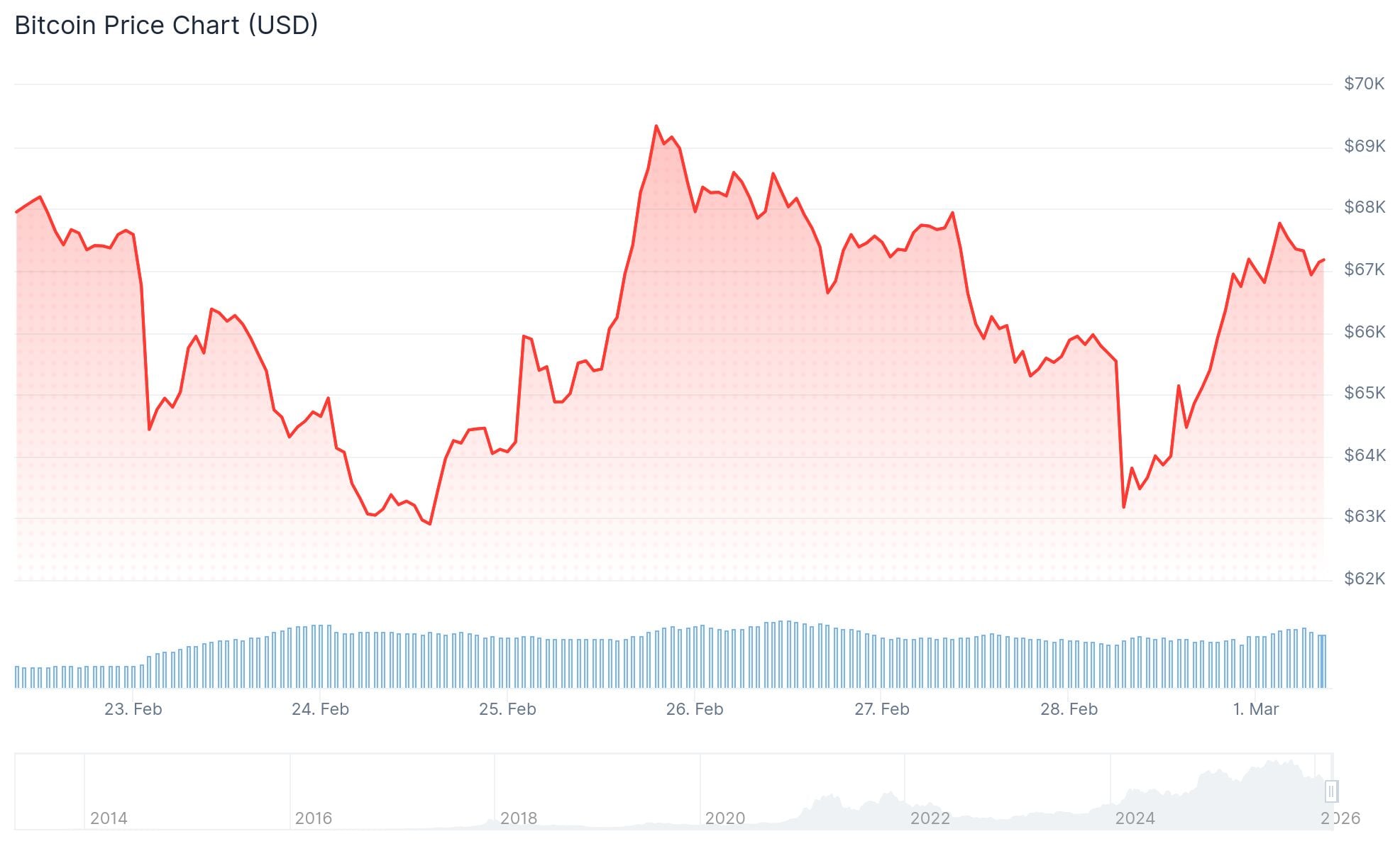
The surge in GRASS price coincides with broader altcoin market strength in late February and early March 2026. Bitcoin’s consolidation above $60,000 has created conditions for capital rotation into mid-cap infrastructure plays. Our observation of correlated movements across multiple DePIN tokens suggests sector-wide momentum rather than GRASS-specific catalysts, though project-level developments likely contribute.
Volume Analysis and Whale Activity Patterns
The $57.8 million 24-hour volume represents a significant uptick from GRASS’s typical trading range. To put this in perspective, this volume level approaches the token’s entire market cap if sustained over a 48-hour period—an unsustainable pace that typically precedes consolidation or correction.
While we lack granular on-chain wallet data in this analysis, the volume profile suggests larger players (“whales”) participated in this move. Retail-driven pumps typically exhibit choppier price action with multiple failed breakout attempts, whereas GRASS demonstrated relatively clean upward momentum with higher lows throughout the rally phase. This pattern often indicates coordinated accumulation by entities with higher conviction.
The market cap increase of $35.5 million (38% growth) closely mirrors the price percentage gain, confirming that dilution from unlocking schedules did not dampen the rally. With 52.8% of supply still locked or unvested, future unlock events represent a known risk factor that could create selling pressure during subsequent rallies.
Risk Factors and Contrarian Considerations
Despite the impressive short-term performance, several factors warrant caution. First, GRASS remains 92.9% below its all-time high, and recovery from such deep drawdowns historically faces multiple failed attempts before establishing sustained uptrends. Many tokens that fell 90%+ from 2021-2024 peaks never recovered, regardless of fundamental improvements.
Second, the DePIN narrative, while compelling, remains largely speculative in terms of revenue generation and real-world adoption metrics. We observe that many DePIN projects struggle to transition from token incentive-driven growth to sustainable economic models once subsidy programs mature. Grass must demonstrate that bandwidth sharing creates genuine economic value beyond speculative trading.
Third, the current macro environment for crypto remains uncertain as we move through Q1 2026. While altcoins have shown strength, regulatory developments and broader market liquidity conditions could quickly reverse momentum. GRASS’s mid-cap status makes it particularly vulnerable to sudden capital flight during risk-off periods.
From a contrarian perspective, the surge may represent a local top if late entrants are chasing momentum rather than accumulating on fundamental conviction. The 49.8% weekly gain has likely attracted attention from traders seeking “the next moon shot,” potentially creating an overheated condition prone to sharp retracement.
Actionable Takeaways and Forward Outlook
For traders and analysts monitoring GRASS, several key levels and metrics warrant attention in the coming days. The $0.28-$0.30 zone represents immediate resistance where profit-taking pressure will likely emerge. A daily close above $0.32 would signal continuation potential toward $0.40-$0.45, while failure to hold $0.24 support could trigger a retest of the $0.20 level.
From a portfolio management perspective, GRASS exhibits the risk-reward profile of a speculative small-cap infrastructure play. The token’s performance will likely correlate strongly with broader DePIN sector sentiment and Bitcoin’s ability to maintain current levels. Position sizing should reflect the high volatility and 90%+ historical drawdown risk.
We will be monitoring several data points in coming weeks: sustained volume above $40 million daily would confirm continued interest; development updates regarding network usage and bandwidth sharing metrics; and comparative performance versus DePIN peers like HNT and RNDR. On-chain wallet concentration data and exchange flow patterns will also provide insights into whether current holders maintain conviction or begin distributing into strength.
The ultimate question for GRASS is whether this rally represents the beginning of a sustained recovery or merely a relief bounce within an ongoing bear market for the token. The answer will emerge through its behavior at resistance levels and its ability to maintain gains when broader market conditions inevitably shift. For now, the data shows genuine buying interest, but the technical and fundamental work required for full recovery remains substantial.
You May Also Like

The Channel Factories We’ve Been Waiting For
Top 5 Cryptocurrencies for Long-Term Investment in 2026: Expert Analysis
