

Marukyu Koyamaen Matcha 2026: Best Matcha to Try, Prices & Where to Buy
If you’ve ever searched for the best matcha in the world, one name comes up again and again: Marukyu Koyamaen.
Founded over 300 years ago in Uji, Kyoto — the birthplace of Japanese matcha — Marukyu Koyamaen (丸久小山園) is one of the most respected names in premium green tea. The brand is trusted by tea masters, cafés, and serious home brewers for its consistent, high-grade quality.
But with dozens of grades, wide price ranges, and frequent sell-outs, choosing the right tin can be confusing.
This guide breaks down the Marukyu Koyamaen matcha grade chart, explains the differences between popular blends like Isuzu and Wako, covers pricing, store locations, and how to avoid fakes — so you can confidently pick the right matcha for your needs.
 Stay Up To Date:
– 35 Best Things To Do In Tokyo (2026): Attractions, Food, Nightlife, Anime, Shopping
– SGD To MYR Rate Today (2026): Best Exchange Rates, Forecast & Where to Change Money
– Maribank Singapore Guide 2026: Credit Card, Interest Rates, Fees & Overseas Spending
 TL;DR: Marukyu Koyamaen Matcha at a Glance
| Question | Quick Answer |
|---|---|
| What is Marukyu Koyamaen? | One of Japan’s oldest and most prestigious matcha producers, based in Uji, Kyoto |
| Best entry-level grade | Isuzu (ceremonial, affordable) |
| Best premium grade | Wako or Aoarashi |
| Price range | ~1,000–10,000+ JPY per 20–40g tin (~S$8.11-$81) |
| Why always sold out? | Limited production, global demand, seasonal harvests |
| Where to buy | Official website, Kyoto/Tokyo/Osaka flagship stores, select overseas retailers |
| How to spot fakes | Buy from official channels; verify packaging holograms and Japanese labelling |
 Table of Contents
- What is Marukyu Koyamaen?
- Marukyu Koyamaen’s Home: Uji, Kyoto
- The Marukyu Koyamaen Matcha Chart
- Best Marukyu Koyamaen Matcha to Try
- Kiyo no Mori
- Isuzu
- Yugen
- Horai
- Aoarashi
- Unkaku
- Wako
- Tenju
- Why is Marukyu Koyamaen So Popular?
- Why is Marukyu Koyamaen Matcha Always Sold Out?
- Matcha Price Guide
- Where to Buy
- How to Spot Fakes
- Tips for Singaporean Travellers
- FAQs
What is Marukyu Koyamaen?
Image Credits: 丸久小山園
Marukyu Koyamaen (丸久小山園) is far more than a single-product brand. Their catalogue includes:
- Ceremonial matcha – for traditional whisked tea preparation
- Culinary matcha – for baking, cooking, and lattes
- Tencha – shade-grown leaves used in tea ceremonies
- Gyokuro, sencha, and other premium Japanese teas
While international buyers often focus on ceremonial matcha, in Japan, Marukyu Koyamaen is also highly respected as a supplier to formal chado (茶道) schools, including some of Kyoto’s most prestigious iemoto (tea ceremony houses).
Why Marukyu Koyamaen Matcha Stands Out:
- Stone-grinding craftsmanship: Premium grades are milled using traditional granite stone mills (石臼, ishiusu) that rotate slowly to keep the tencha cool. Heat destroys colour, aroma, and umami-rich amino acids like L-theanine.
- Limited production: A single stone mill produces only about 40 grams of matcha per hour, making top grades rare, expensive, and perpetually in demand.
- Flavour and quality: This artisanal approach ensures smooth, complex, umami-rich matcha that mass-produced brands cannot replicate.
- Transparent grading system: Marukyu Koyamaen publishes a clear matcha grade chart, ranking products by quality and intended preparation style — making it easy to choose the right matcha for your needs.
Whether you’re buying in Kyoto, Tokyo, or online, Marukyu Koyamaen matcha is recognised worldwide as a benchmark for premium Japanese green tea.
 Related Guide: Cherry Blossom Season Japan: Best Time to Visit, Sakura Forecast & Top Viewing Spots
Marukyu Koyamaen’s Home: Uji, Kyoto

Image Credits: The KANSAI Guide
Uji, Kyoro isn’t just a place on the map – it’s the spiritual and agricultural heart of Japanese matcha culture. Nestled between Kyoto and Nara, Uji has been producing premium tea since the 13th century, where the monk Myoe Shonin first planted tea seeds boughtfrom China.
Today, Uji matcha carries Protected Geographical Indication (PGI) status, meaning authentic Uji matcha must meet strict regional and production standards – much like champagne in France.
Why visit Marukyu Koyamaen in Uji:
- Access the full product range, including ceremonial and culinary matcha
- Seasonal exclusives are not always available online
- Purchase highly sought-after tins that sell out quickly
- Immerse yourself in classical Japanese tea culture and see how authentic Marukyu Koyamaen matcha is produced
For anyone exploring the Kansai region, a stop at Marukyu Koyamaen in Uji is essential — a true pilgrimage for matcha enthusiasts.
Related Guide: Japan ATM Withdrawal Guide: Fees, Locations, Exchange Rates
The Marukyu Koyamaen Matcha Chart: All Grades Explained
One of the most exciting — and sometimes overwhelming — aspects of Marukyu Koyamaen matcha is the sheer variety of grades. From everyday culinary matcha to ultra-premium ceremonial grades for formal chado (tea ceremony), there’s a lot to navigate. Here’s a simplified overview:
| Grade Tier | Examples | Best For | Approx. Price (40g) |
|---|---|---|---|
| Entry Ceremonial | Isuzu, Kiyo no Mori | Daily drinking, beginner matcha | 1,000–1,800 JPY (~S$8-15) |
| Mid Ceremonial | Yugen, Horai | Enthusiasts, regular koicha/usucha | 2,000–3,500 JPY (~S$16-28) |
| Premium Ceremonial | Aoarashi, Unkaku | Serious drinkers, tea ceremony | 4,000–6,000 JPY (~S$32-49) |
| Ultra-Premium | Wako, Tenju | Tea masters, gifting, special occasions | 7,000–12,000 JPY (~S$57-97) |
| Culinary | Various | Baking, lattes, cooking | 800–1,500 JPY (~S$6-12) |
How the Matcha Grade Chart Works:
- Two key dimensions: Preparation style (usucha/thin tea vs. koicha/thick tea) and quality tier
- Flavour profile: Higher grades have more umami, less bitterness, and a more vibrant green color
- Grading scale: Marukyu Koyamaen ranks matcha from ~1–20+, with lower numbers indicating higher prestige— e.g., Wako sits at the very top
 Tip: Focus on which grades are recommended for usucha (most home drinkers) versus koicha (thick tea for formal ceremony). This helps you choose the perfect Marukyu Koyamaen matcha for your taste, brewing style, and occasion.
Related Guide: SGD To Yen Guide: Capitalising On The Japanese Yen
8 Best Marukyu Koyamaen Matcha to Try
With dozens of grades available, these eight are the ones most worth knowing — arranged from the most accessible to the most exclusive, so you can find exactly where to enter the range.
1. Marukyu Koyamaen Kiyo no Mori
Best for: Budget-conscious buyers who don’t want to compromise on origin
Image Credits: Sazen Tea
Kiyo no Mori (霧の森) — meaning “forest of mist,” a nod to Uji’s misty river valleys — is one of Marukyu Koyamaen’s most approachable ceremonial matcha in terms of price. Sitting just above the culinary tier and alongside Isuzu as an entry-level option, it’s perfect for buyers who want genuine Uji ceremonial matcha without stretching the budget.
- Grade tier: Entry ceremonial matcha
- Preparation: Primarily usucha (thin tea), also suitable for lattes
- Flavour profile: Light, straightforward, fresh vegetal notes, milder umami than higher grades
- Why try it: Offers the assurance of authentic Uji matcha at an accessible price. Ideal for beginners, daily drinking, or occasional ceremonial-grade lattes without wasting premium matcha like Aoarashi or Wako
Kiri no Mori is a practical, high-quality introduction to Marukyu Koyamaen matcha for those who want authentic Uji flavour on a budget.
Related Guide: Kyushu, Japan: Complete Travel Guide, Map, Weather, Itinerary
2. Marukyu Koyamaen Isuzu
Best for: Daily drinkers and first-time buyers
Image Credits: Etsy
Isuzu (五十鈴) is the ideal entry point into Marukyu Koyamaen’s ceremonial matcha. Named after the sacred Isuzu River at the Ise Grand Shrine, it sits in the accessible ceremonial tier and is primarily intended for usucha (thin tea) — the style most people prepare at home.
- Grade tier: Entry ceremonial matcha
- Preparation: Primarily usucha (thin tea)
- Flavour profile: Bright green colour, balanced umami and mild astringency, smooth with a subtle sweetness
- Why try it: Delivers an authentic Uji matcha experience at an approachable price. Perfect for daily drinking or transitioning from mass-market matcha brands — a gentle introduction to Marukyu Koyamaen matcha without overwhelming the palate
While not as complex or creamy as higher-end grades like Wako or Aoarashi, Isuzu provides a reliable, high-quality ceremonial matcha experience — perfect for beginners and everyday enjoyment.
Related Guide: Best Time To Visit Japan: Your Ultimate Guide
3. Marukyu Koyamaen Yugen
Best for: Regular drinkers ready to move beyond entry-level
Image Credits: Midori Matcha PH
Yugen (幽玄) — inspired by the Japanese aesthetic of “profound, mysterious beauty” — is the natural next step after Isuzu. It sits in the mid-ceremonial tier, offering a fuller body and more developed umami than entry-level grades, without the price of Aoarashi or Wako.
- Grade tier: Mid-ceremonial matcha
- Preparation: Usucha (thin tea) or lighter koicha (thick tea)
- Flavour profile: Deeper, more saturated green colour; richer umami; fuller body than entry grades
- Why try it: Ideal for drinkers with a daily matcha habit who want to explore the upper tiers. A versatile grade that bridges beginner and premium ceremonial matcha
Yugen is a dependable choice for those ready to appreciate the depth and nuance of Marukyu Koyamaen matchawithout jumping straight to the top-tier ceremonial grades.
Related Guide: YouTrip Exchange Rates: Everything You Need to Know
4. Marukyu Koyamaen Horai
Best for: Mid-range drinkers wanting a reliable, well-rounded ceremonial grade
Image Credits: Marukyu Koyamaen
Horai (蓬莱) — named after the mythical isle of immortality — sits in the mid-ceremonial tier, between Yugen and Aoarashi. It’s a top choice for enthusiasts who drink matcha seriously but want a daily-grade option.
- Grade tier: Mid-ceremonial matcha
- Preparation: Usucha (thin tea) or occasional koicha (thick tea)
- Flavour profile: Clean umami, gentle sweetness, well-balanced, with enough complexity to reward attention without requiring formal tasting conditions
- Why try it: Ideal for daily matcha drinkers seeking a consistent, approachable ceremonial matcha. Horai is versatile enough for thin or slightly thick preparations, making it a dependable bridge within the Marukyu Koyamaen matcha lineup
Horai is perfect for those who want a smooth, well-rounded matcha experience that rewards regular drinking, while hinting at the more complex flavours of higher-tier grades.
Related Guide: ICOCA Card Japan Guide: Where to Buy, How to Use, Suica Comparison
5. Marukyu Koyamaen Aoarashi
Best for: Intermediate to experienced drinkers ready to step up
Image Credits: Midori Matcha PH
Aoarashi (青嵐) — meaning “green storm” or “fresh green wind” — hits the sweet spot for serious matcha enthusiasts. It is more refined than entry-level grades like Isuzu, yet more accessible in price than the ultra-premium Wako.
- Grade tier: Mid-premium ceremonial matcha
- Preparation: Usucha (thin tea) or lighter koicha (thick tea)
- Flavour profile: Richer umami, pronounced natural sweetness, vivid electric green colour reflecting high-quality shade-grown tencha
- Why try it: Marks the point where Marukyu Koyamaen matcha begins to fully express its depth and character, ideal for drinkers ready to explore more complex ceremonial tea
Aoarashi is perfect for those looking to step up from beginner grades while still enjoying approachable preparation and flavour.
Related Guide: Japan Rail Pass (JR Pass): Prices, Calculator, Map & Full Guide
6. Marukyu Koyamaen Unkaku
Best for: Enthusiasts seeking a step below Wako without the price
Image Credits: Marukyu Koyamaen
Unkaku (雲鶴) — meaning “crane in the clouds,” a classical motif in Japanese art — sits just below Wako in Marukyu Koyamaen’s matcha hierarchy. It’s often recommended as the most accessible entry into the ultra-premium tier.
- Grade tier: Upper-premium ceremonial matcha
- Preparation: Usucha (thin tea) or koicha (thick tea)
- Flavour profile: Exceptional umami depth, near-zero bitterness, silky smooth texture; vibrant green colour reflecting top-tier tencha
- Why try it: Offers a Wako-like experience at a lower price point, ideal for refined palates or those who struggle to find Wako in stock. Many consider it the best value in the Marukyu Koyamaen range
Unkaku is perfect for enthusiasts who want ultra-premium ceremonial matcha without the extreme price or limited availability of Wako, delivering a luxurious, full-flavoured experience every time.
Related Guide: Best Things To Do In Nagoya City, Japan: The Ultimate Guide
7. Marukyu Koyamaen Wako
Best for: Serious practitioners, special occasions, and gifting
Image Credits: Midori Matcha PH
Wako (和光) sits at the very top of the Marukyu Koyamaen matcha hierarchy. This flagship ultra-premium ceremonial matcha is the grade that has earned the brand its legendary status worldwide.
- Grade tier: Ultra-premium ceremonial matcha
- Preparation: Usucha (thin tea) or full koicha (thick tea) for formal tea ceremonies
- Flavour profile: Deep, layered umami; velvety sweetness that lingers; almost zero bitterness; long, complex finish; perfectly smooth and frothy when whisked
- Why try it: Crafted from the youngest, most carefully selected tencha leaves, stone-ground to an exceptionally fine particle size. Best experienced after working up through Isuzu and Aoarashi to fully appreciate the subtlety and complexity of this premium matcha
Tip: Don’t start with Wako if you’re new to ceremonial matcha. Your palate will appreciate its full depth more after experiencing the lower grades — making your first bowl truly transcendent.
Related Guide: 16 Best Things To Do In Fukuoka, Japan: Attractions & Tips
8. Marukyu Koyamaen Tenju
Best for: The ultimate expression of Marukyu Koyamaen matcha
Image Credits: Marukyu Koyamaen
Tenju (天授) — meaning “gift from heaven” — is the most exclusive ceremonial grade from Marukyu Koyamaen, often sitting at or above Wako depending on the harvest. Produced in extremely limited quantities from the best-performing tencha leaves of the season, Tenju is rarer and harder to find than even Wako.
- Grade tier: Ultra-premium ceremonial matcha (top of the hierarchy)
- Preparation: Usucha (thin tea) or koicha (thick tea) for special occasions
- Flavour profile: Creamy sweetness, deep and sustained umami bordering on savoury, long, lingering finish
- Why try it: Reserved for tea masters, serious collectors, or anyone seeking the absolute pinnacle of Japanese matcha. Tenju is not a daily drinker — it’s an occasion, a sensory experience unlike any other
Tenju represents the ultimate expression of Uji matcha craftsmanship, highlighting the full depth, complexity, and elegance that Marukyu Koyamaen matcha can achieve.
Related Guide: Okinawa, Japan Travel Guide: Best Things to Do, Itinerary & Tips
Why is Marukyu Koyamaen So Popular?
Marukyu Koyamaen matcha is globally respected for centuries of craftsmanship, not marketing. Here’s why:
- Heritage & Terroir: Over 300 years of tea master expertise; grown in Uji, Kyoto, with its ideal climate and soil.
- Uncompromising Quality: Stone-ground slowly to preserve colour, flavour, and umami; only ~40g is produced per hour per mill.
- Global Matcha Boom: Professional-grade matcha is trusted worldwide, especially in North America, Europe, and Southeast Asia.
- Community Endorsement: Tea enthusiasts and social media communities consistently rank it top-tier.
- Authenticity: Genuine Uji ceremonial matcha in a market flooded with low-quality imitations.
Marukyu Koyamaen is the go-to choice for serious matcha drinkers who want authentic, premium Japanese matcha.
Related Guide: Sapporo, Hokkaido, Japan: The Ultimate Winter Wonderland Guide
Why is Marukyu Koyamaen Matcha Always Sold Out?
Many Marukyu Koyamaen matcha grades sell out quickly — and it’s not hype. Here’s why:
- Limited Harvest Windows: Top-grade matcha comes from the first flush in May. Yields from Uji’s shaded fields are naturally finite.
- Stone-Grinding Bottlenecks: Traditional stone mills are slow (~40g per hour). Premium grades like Wako and Aoarashi can’t be mass-produced without losing quality.
- Explosive Global Demand: Speciality tea culture, social media, and health trends have driven worldwide interest beyond Japan’s domestic market.
- Resellers & Bulk Buying: High-demand grades are often snapped up by resellers, further reducing stock for direct buyers.
Tips to secure your matcha: Sign up for restock notifications on the official site, follow Marukyu Koyamaen on social media, or buy in person at their Kyoto, Tokyo, or Osaka stores.
Related Guide: Japan Power Plug & Socket Guide: Types, Voltage, Adapters & Tips
Marukyu Koyamaen Matcha Price Guide
Marukyu Koyamaen matcha is priced above commodity brands, reflecting its authentic Uji quality and meticulous production. Prices are based on official retail in Japan:
| Product | Weight | Approx. Price (JPY) | Approx. Price (SGD) |
|---|---|---|---|
| Isuzu | 40g | 1,400–1,700 JPY | ~S$11-$14 |
| Kiri no Mori | 40g | 1,600–1,900 JPY | ~S$13–$15 |
| Yugen | 40g | 2,200–2,800 JPY | ~S$18–$23 |
| Aoarashi | 40g | 4,500–5,500 JPY | ~S$36–$45 |
| Unkaku | 40g | 5,500–6,500 JPY | ~S$45–$53 |
| Wako | 20g | 7,000–9,000 JPY | ~S$57-$73 |
| Tenju | 20g | 9,000–12,000+ JPY | ~S$73–$97 |
Notes:
- Prices fluctuate with harvest year, exchange rates, and retailer.
- Third-party overseas sellers often charge 30–100% more due to import costs and markups.
- For the best price and guaranteed authenticity, buy directly from Marukyu Koyamaen stores in Japan or their official website.
Related Guide: The Ultimate Universal Studios Japan (USJ) Guide
Where to Buy Marukyu Koyamaen Matcha
1. In Kyoto
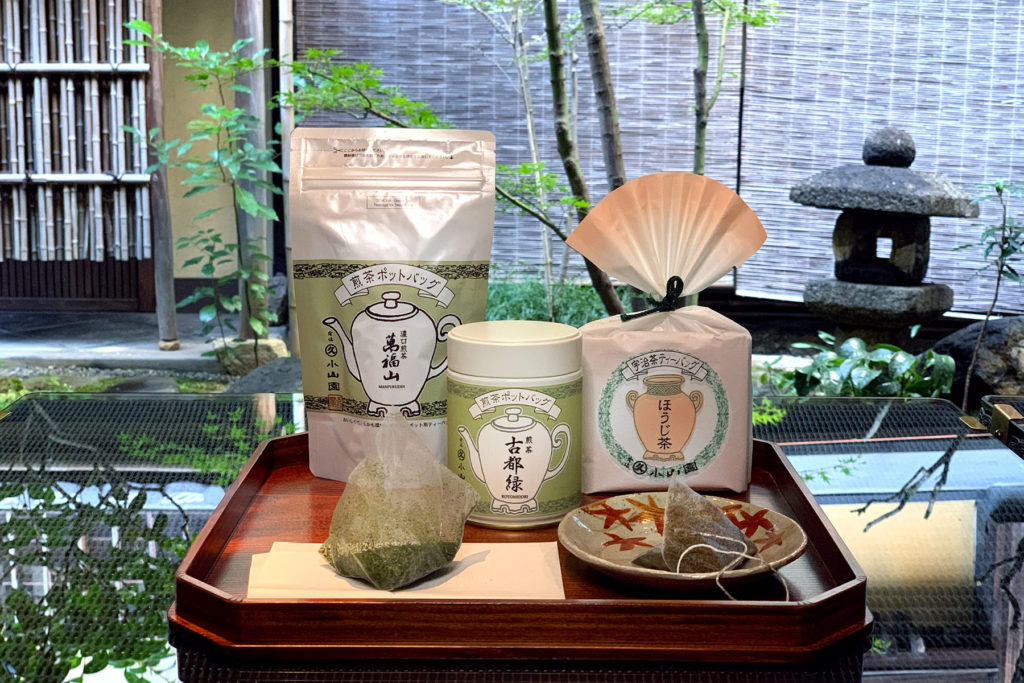
Image Credits: Marukyu Koymaen
Kyoto hosts several Marukyu Koyamaen locations, including the original Uji flagship. Key stores:
- Uji Main Store (宇治本店): Full product range, in-store tastings, seasonal exclusives; near the Uji River.
- Nishinotoin Store (丸久小山園 西洞院店): Central Kyoto, close to Nishiki Market.
- Takashimaya Shopping Centre: Located at B1 in the downtown Kyoto area
Kyoto stores typically stock the widest range, including grades that sell out online.
Related Guide: 27 Best Things To Do In Kyoto: Temples, Hidden Gems & Day Trips
2. In Tokyo
Image Credits: Mindtrip
Marukyu Koyamaen is available at department store food halls and speciality tea retailers:
- Ikedeya Tea Store (Shinjuku): Wide selection, including various grades of Marukyu Koyamaen.
- Rakuzan (Kagurazaka/Iidabashi): “Hidden” spot stocking high-quality, authentic matcha, including Marukyu Koyamaen.
- Shimokita Chaen Oyama (Setagaya): Reputable tea shop.
- Department Stores (Depachika): Check high-end stores in Tokyo for premium tea sections.
- Kitchen World TDI (Kappabashi): A known location for finding specialised Japanese teas.
Stock is often limited; ultra-premium grades like Wako sell out quickly. Visit early or shortly after restocks.
Related Guide: Best Omakase Tokyo: Guide to Prices, Reservations & Top Restaurants
3. In Osaka
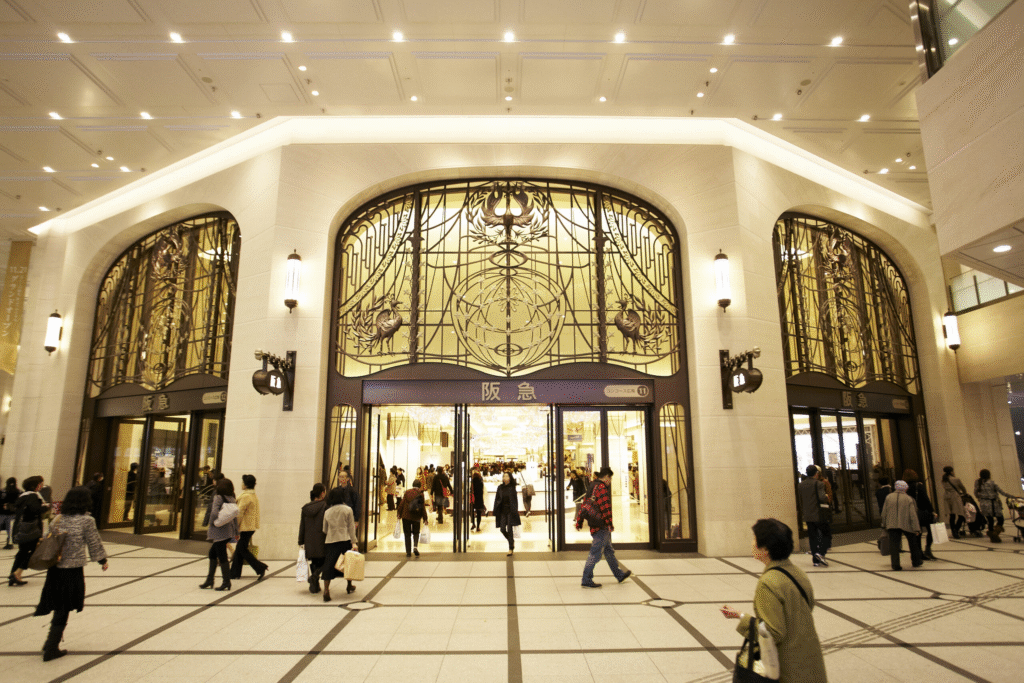
Image Credits: DMO Osaka Umeda
Select department stores and premium food halls carry Marukyu Koyamaen:
- Chasou Moritaen: Namba CITY South Building 1F
- Hankyu Umeda Main Store: Central Osaka option.
- Takashimaya Osaka (Namba): For tea tasting inquiries and Marukyu Koyamaen stock.
Osaka selections are smaller than Kyoto’s, but still a reliable source for popular grades.
Related Guide: 40 Best Things To Do In Osaka: Attractions, Activities, Day Trips
4. Buying Online
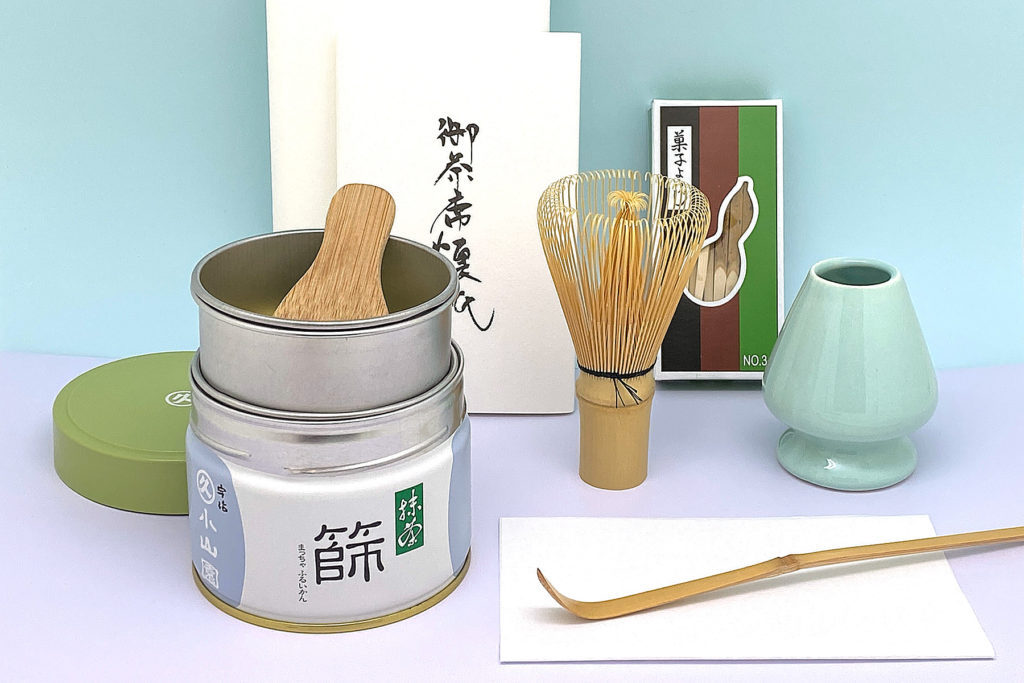
Image Credits: Marukyu Koyamaen
- Official Marukyu Koyamaen website: Direct purchase with shipping in Japan; some products ship internationally. Premium grades sell out quickly.
- Overseas authorised retailers: Speciality tea shops in the US, UK, Australia, and Ippodo sister networks. Safest for international buyers.
- Amazon Japan: Possible via forwarding services, but be cautious of third-party markups and authenticity issues.
- For authenticity and the best price, buying from official stores or authorised retailers is recommended.
Related Guide: Suica Card Japan Guide: How To Use, Where To Buy & Tourist Tips
How to Spot Fake Marukyu Koyamaen
As Marukyu Koyamaen matcha gains global popularity, counterfeit and mislabelled products have increased. Protect yourself with these tips:
- Buy from Official or Authorised Sources: Purchase directly from Marukyu Koyamaen stores, their official website, or trusted international retailers. Be cautious with unfamiliar online sellers.
- Check the Packaging: Authentic tins feature high-quality Japanese printing with the circular 丸 logo. Avoid primarily English labels with rough typography or translation errors.
- Verify the Price: Extremely low prices for premium grades like Wako or Aoarashi are a red flag. Authentic matcha commands a premium price.
- Inspect the Powder: Look for vivid, deep green powder, ultra-fine texture, and a fresh, grassy-sweet aroma. Avoid yellow-green or dull powders.
- Check Freshness Indicators: Confirm harvest year and seal date. Matcha is best consumed within a few months of grinding; old stock sold as new may be misrepresented.
- Be Wary of Secondary Markets: Platforms like eBay, Mercari, and some Amazon sellers often sell resold or fake matcha. When in doubt, don’t buy.
Pro tip: For guaranteed authenticity, stick to official stores or authorised retailers — especially for ultra-premium grades like Wako or Tenju.
Related Guide: Money Changer Near Me: 14 Best Money Changers In Singapore
Tips for Singaporean Travellers
- Buy in Kyoto/Uji first: Stores there carry the full range and premium grades.
- Go early: Premium grades like Wako and Aoarashi sell out fast.
- Check customs allowance: Personal quantities are duty-free; declare if unsure.
- Watch the currency exchange: SGD-JPY rates affect the final cost; avoid airport counters.
- Use a multi-currency card like YouTrip: Avoid foreign transaction fees and get competitive JPY rates.
- Set weight and budget limits: 3–5 tins usually suffice for personal use and gifts.
- Store matcha carefully: Carry-on preferred; keep away from heat, light, and humidity; refrigerate once home.
Related Guide: Best Multi-Currency Cards In Singapore: A Full Comparison Guide
FAQs
Q: Is Marukyu Koyamaen the best matcha?
Consistently ranked among the finest Uji matcha producers (alongside Ippodo and Horii Shichimeien), it’s a reference standard for serious enthusiasts, though “best” is subjective.
Q: What is Uji matcha?
Grown in Uji, Kyoto, a region with centuries of cultivation expertise and a unique microclimate. Uji matcha is prized for umami, vibrant colour, and complexity.
Q: How should I store it?
Keep opened tins refrigerated and use within 4–8 weeks. Unopened tins: store cool and dark. Avoid strong odours.
Q: Can I use it in lattes or baking?
Use culinary grades for cooking and lattes. Premium grades (Wako, Tenju) are best savoured on their own.
Q: Usucha vs. Koicha — which grade?
- Usucha (thin tea): 1.5–2g per 70–80ml water; entry grades like Isuzu are perfect.
- Koicha (thick tea): 3–4g per 40ml water; high-end grades like Aoarashi, Wako, Tenju shine here.
Q: Can I buy it outside Japan?
Yes — through authorised international retailers or select items via the official website. Avoid unknown resellers.
Q: Why are English labels sometimes different?
Romanisation varies. Verify Japanese characters (e.g., 五十鈴 = Isuzu, 和光 = Wako) to ensure authenticity.
Q: How to prepare it properly?
Sift 1.5–2g matcha into a warmed bowl, add 70–80ml water at 70–80°C, whisk in a W or M motion until frothy. For koicha, use less water and fold gently.
Ready to Explore Japan’s Finest Matcha?
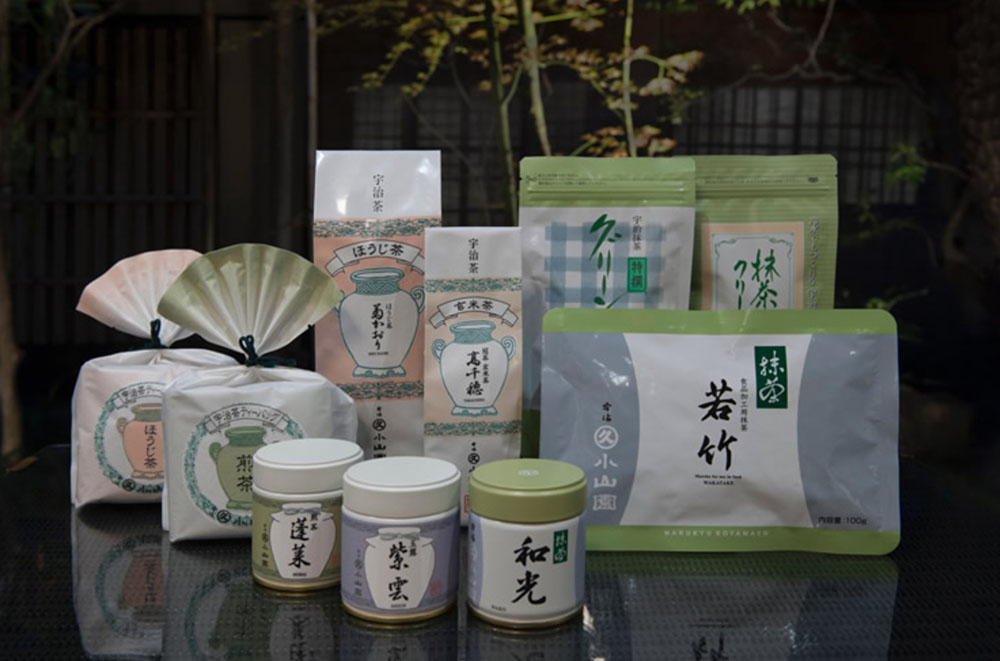
Image Credits: Dragon Tea House
Before you head to Uji, Kyoto, or anywhere else in Japan, make the most of every yen by locking in the best JPY exchange rates with YouTrip — so you can spend more on the matcha that matters.
Singapore’s go-to multi-currency wallet helps you save with great FX rates and zero fees. Skip the money changer and get a free YouTrip card + S$5 YouTrip credits with code <YTBLOG5>.
Then, head over to our YouTrip Perks page for exclusive offers and promotions — we promise you won’t regret it. Join our Telegram (@YouTripSG) and Community Group (@YouTripSquad) for travel tips, event invites, and more!
Happy travels!
Related Articles
MITSUI OUTLET PARK KISARAZU: Your Ultimate Shopping Getaway From Tokyo
Nintendo TOKYO: Complete Guide to the Official Shibuya Store
Shinkansen Tokyo To Osaka Guide: Fares, Trains, Tickets, Alternatives


The post Marukyu Koyamaen Matcha 2026: Best Matcha to Try, Prices & Where to Buy appeared first on YouTrip Singapore.


You May Also Like

Stock Futures Gain as Iran Diplomacy Advances and Crude Oil Retreats

Unity Software (U) Stock Jumps 6% After Beating Revenue and Raising EBITDA Guidance




