

Fractional Real Estate Platform Stake Secures Transformative $31M Series B Funding from Emirates NBD and Mubadala
BitcoinWorld
Fractional Real Estate Platform Stake Secures Transformative $31M Series B Funding from Emirates NBD and Mubadala
In a significant development for property investment accessibility, fractional real estate platform Stake has successfully raised $31 million in a Series B funding round announced this week. This substantial capital injection, led by Dubai’s Emirates NBD with participation from Abu Dhabi’s Mubadala and Middle East Venture Partners, signals robust confidence in the digitization and democratization of real estate markets. The funding arrives as global interest in alternative investment vehicles surges, particularly in regions like the Middle East where economic diversification strategies prioritize technological innovation in traditional sectors.
Stake’s $31M Funding Round Reshapes Real Estate Investment
The Series B round represents a pivotal moment for Stake’s operational expansion and technological development. Emirates NBD’s leadership in this funding round underscores a strategic alignment between traditional banking institutions and fintech disruptors. Furthermore, Mubadala’s involvement highlights sovereign wealth fund interest in proptech solutions that align with national economic visions. Consequently, this investment consortium provides Stake with not just capital but also regional expertise and institutional credibility.
Industry analysts immediately recognized the transaction’s significance. “This funding round demonstrates maturation in the fractional ownership model,” noted a report from the MENA Fintech Association. The report further emphasized how such platforms bridge the gap between institutional-grade assets and retail investors. Stake’s platform specifically allows users to purchase shares in commercial and residential properties. Investors thereby gain exposure to real estate markets with significantly lower capital requirements than traditional property purchases demand.
The Mechanics of Fractional Real Estate Investment
Fractional real estate platforms operate by acquiring properties and issuing digital shares to investors. Stake’s model typically involves vetting high-potential properties, securing ownership, and then dividing that ownership into affordable fractions. Investors can buy these fractions through a streamlined digital interface. Subsequently, they receive proportional rental income and participate in potential property appreciation. This structure fundamentally transforms real estate from an illiquid, high-barrier asset into a more accessible investment class.
The following table outlines key differences between traditional and fractional real estate investment:
| Aspect | Traditional Real Estate | Fractional Investment (via Stake) |
|---|---|---|
| Minimum Investment | Often $100,000+ | Can start under $500 |
| Liquidity | Low (months to sell) | Higher (platform secondary markets) |
| Management Burden | High (owner responsible) | Low (platform manages property) |
| Diversification Potential | Limited by capital | High (invest in multiple properties) |
| Accessibility | Geographically constrained | Digital, often cross-border |
This innovative approach directly addresses several historical pain points in real estate investing. For instance, management headaches, large capital outlays, and geographic limitations diminish significantly. Platforms like Stake handle property maintenance, tenant relations, and administrative compliance. Investors therefore enjoy passive income streams without operational responsibilities.
Expert Analysis on Market Impact and Regulatory Evolution
Financial technology experts point to this funding as evidence of sector maturation. “The involvement of Emirates NBD and Mubadala isn’t merely financial; it’s a validation stamp,” observes Dr. Lena Kassis, a professor of Fintech at the American University of Sharjah. “These institutions conduct exhaustive due diligence. Their participation suggests that fractional ownership models have moved beyond conceptual novelty into viable, scalable business frameworks with clear regulatory pathways.”
Regulatory frameworks for fractional ownership are evolving globally. In the UAE, the Securities and Commodities Authority (SCA) has introduced regulations governing digital securities and crowdfunding. These rules provide a structured environment for platforms like Stake to operate securely. The $31 million investment will likely accelerate Stake’s compliance capabilities and market education initiatives. Moreover, it enables technological enhancements to platform security, user experience, and asset diversity.
Strategic Implications for the Middle Eastern Fintech Ecosystem
The funding round has substantial implications for the broader Middle Eastern fintech landscape. Firstly, it highlights the region’s commitment to becoming a global hub for financial innovation. Dubai and Abu Dhabi, through entities like Emirates NBD and Mubadala, are actively funding technologies that diversify their economies beyond hydrocarbons. Secondly, it stimulates competition and innovation within the regional proptech sector. Other platforms may now seek similar partnerships or differentiate their offerings.
Stake has indicated the capital will fuel several strategic initiatives:
- Geographic Expansion: Entering new markets within the GCC and potentially Southeast Asia.
- Product Development: Launching new investment products, including funds focused on specific property types or regions.
- Technology Investment: Enhancing blockchain-based ledger systems for transparent ownership tracking and AI-driven property valuation tools.
- Team Growth: Scaling operations, compliance, and customer support teams to manage increased user volume.
This roadmap suggests Stake aims to become a comprehensive digital real estate investment hub rather than a simple transactional platform. The vision encompasses a full-stack solution for asset discovery, investment, management, and eventual exit.
Comparative Landscape and Future Trajectory
Globally, the fractional real estate sector has seen increased activity. Platforms like Fundrise in the United States and BrickX in Australia have pioneered similar models. However, the Middle Eastern market presents unique characteristics, including a young, tech-savvy population and high property values in cities like Dubai and Abu Dhabi. Stake’s model is specifically tailored to these dynamics, offering Sharia-compliant investment options and focusing on high-growth urban markets.
The $31 million Series B round positions Stake favorably against regional competitors. It provides a war chest for marketing, technology, and strategic acquisitions. The involvement of sovereign wealth also opens doors to large-scale development projects that could be fractionalized. Looking ahead, industry observers anticipate potential public listings or major acquisitions as the sector consolidates. Stake’s strengthened balance sheet makes it a likely consolidator or an attractive candidate for future public market debut.
Conclusion
The $31 million Series B funding for fractional real estate platform Stake marks a definitive milestone in the evolution of property investment. Led by Emirates NBD and supported by Mubadala and MEVP, this investment validates the fractional ownership model’s viability and scalability. It empowers Stake to expand its platform, enhance its technology, and democratize access to real estate assets for a broader investor base. As regulatory environments mature and digital adoption accelerates, fractional real estate investment platforms like Stake are poised to fundamentally reshape how individuals build wealth through property, making the historically exclusive asset class more inclusive, liquid, and manageable for the digital age.
FAQs
Q1: What is a fractional real estate investment platform?
A fractional real estate platform allows multiple investors to own shares in a single property. This model lowers the financial barrier to entry, enabling participation with smaller amounts of capital while the platform manages the asset.
Q2: Who led the Series B funding round for Stake?
The $31 million Series B round was led by Emirates NBD, a state-owned bank based in Dubai. Significant participation also came from Abu Dhabi’s sovereign wealth fund Mubadala and Middle East Venture Partners (MEVP).
Q3: How will Stake use the $31 million in funding?
Stake plans to use the capital for geographic expansion into new markets, development of new investment products, significant technology upgrades, and scaling its operational and compliance teams.
Q4: What are the benefits of fractional real estate investing compared to traditional methods?
Key benefits include lower minimum investments, higher potential for diversification, reduced management responsibilities for the investor, and generally greater liquidity through platform secondary markets.
Q5: Is fractional real estate investing regulated?
Yes, regulatory frameworks are developing globally. In the UAE, the Securities and Commodities Authority (SCA) has established rules for digital securities and crowdfunding, under which platforms like Stake operate to ensure investor protection.
This post Fractional Real Estate Platform Stake Secures Transformative $31M Series B Funding from Emirates NBD and Mubadala first appeared on BitcoinWorld.


You May Also Like

How Stellar (XLM) became part of DTCC’s plan to bring securities onchain
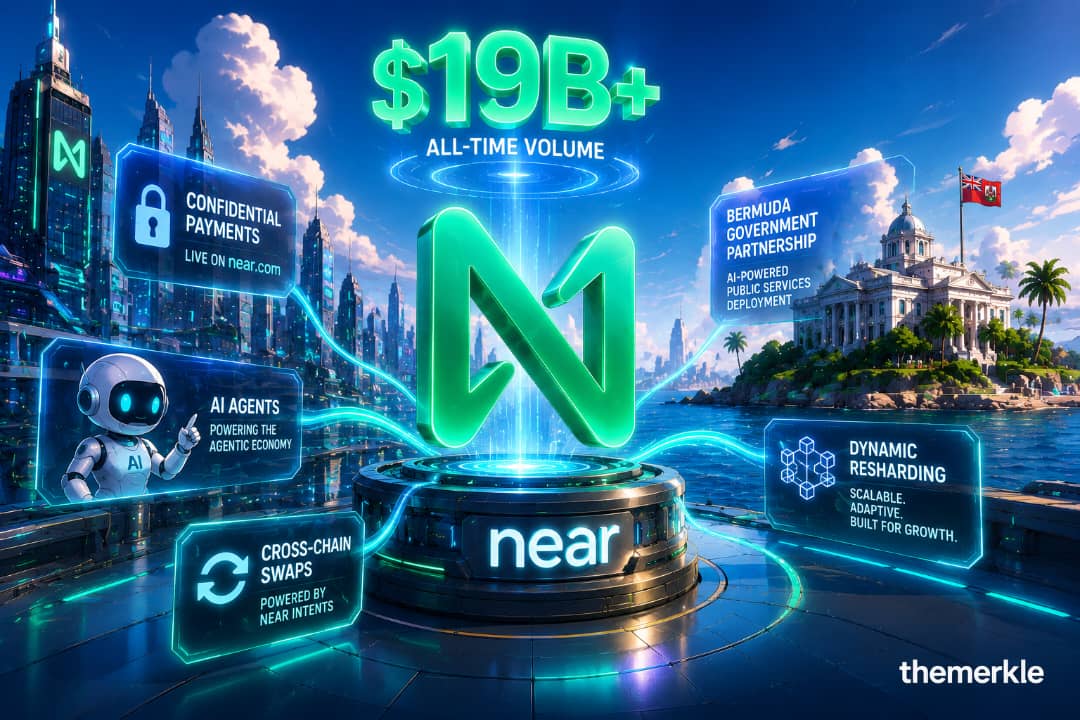
NEAR Protocol Ships Confidential Payments, Crosses $19B in Intents Volume, and Partners With Bermuda Government

SUI Price Prediction: $0.86 Support Break Imminent, $1.00 Recovery by Mid-June



