Bitcoin dips to 9-month low of $81,000 as geopolitics, tariffs and tech anxiety rattle markets
Bitcoin dips to a nine-month low of $81,000, extending a brutal correction that has now erased 35% from its all-time high and rattled an already nervous market. The sell-off triggered a wave of forced liquidations as traders scrambled to reduce risk amid rising geopolitical tension and fresh economic uncertainty out of Washington.
Early Friday trading saw Bitcoin briefly touch $81,058 on Coinbase, its weakest level since April. From October’s euphoric peak above $126,000, the market has round-tripped sharply. This time, the catalyst was not crypto-specific excess but a toxic mix of geopolitics, policy risk and fading confidence in big tech.
According to data from CoinGlass, roughly 270,000 traders were liquidated over the past 24 hours, with total losses reaching $1.68 billion. Around 93% of those liquidations were long positions, heavily concentrated in Bitcoin and Ether.
This pattern has become routine during sharp drawdowns. As prices fall through key technical levels, forced selling accelerates the move, pushing prices lower than spot demand alone would hold. Bitcoin is now sitting on a critical support zone on the monthly chart, one that has previously marked inflection points.
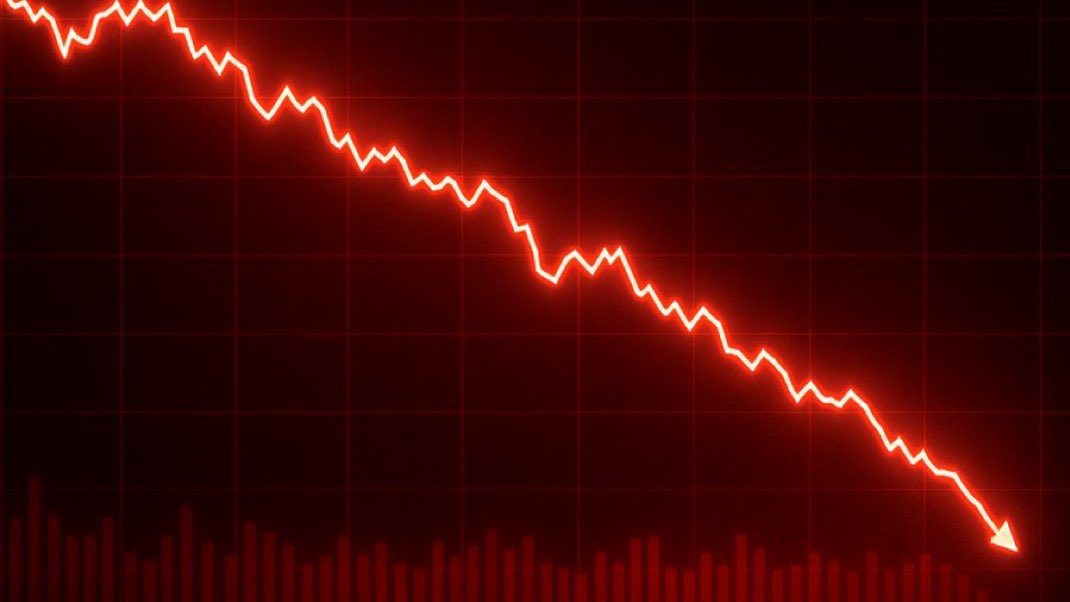 Bitcoin price dip
The damage was not confined to Bitcoin. The broader crypto market shed roughly $200 billion in total capitalisation in a single day. Altcoins, as usual, fared worse; liquidity thinned quickly as traders rushed to reduce exposure.
Real reasons behind Bitcoin’s great fall
Unlike earlier crypto drawdowns driven by internal blow-ups, this one was imported from the real world. Policy shifts in the White House played a crucial role in the correction, including President Trump’s announcement that he would reveal his next Federal Reserve Chairman nominee later today as well as dispatching additional warships to the Middle East as tensions with Iran escalated, a move that injected fresh geopolitical risk into global markets.
The President added fuel to the fire with blunt remarks to reporters. “We have a lot of very big, very powerful ships sailing to Iran right now, and it would be great if we didn’t have to use them,” he said. Markets heard the subtext.
At the same time, Trump declared a national emergency and signed an executive order threatening tariffs on goods from countries that trade oil with Cuba. The message was clear. Trade risk is back on the table, and unpredictability is a feature, not a bug.
Risk assets sold off across the board. Even gold, often seen as a geopolitical hedge, fell sharply. The metal is down 9% from its recent high near $5,600 an ounce. Silver has corrected more than 11%. When supposed safe havens wobble, it tells you something about positioning.
There was another pressure point: US tech stocks, Microsoft shares plunged 10% on Thursday, their worst single-day drop since March 2020, after the company reported record spending alongside slowing cloud growth.
It’s safe to say that Bitcoin’s decline looks less like a verdict on its long-term thesis and more like collateral damage from a broader de-risking event. When leverage is high and liquidity is thin, correlations tend to rise. Until geopolitics cool and confidence returns to broader risk assets, volatility is likely to remain the defining feature rather than the exception.
The post Bitcoin dips to 9-month low of $81,000 as geopolitics, tariffs and tech anxiety rattle markets first appeared on Technext.


You May Also Like

XRP Price About to Explode? This Setup Says Yes

USD/JPY Intervention Alert: Critical 160 Level Raises Stakes for Bank of Japan