

TikTok Fined in Vietnam Over Consumer Protection and Data Breaches
TLDR
- Vietnam’s Competition Commission imposed a fine of 880 million dong on TikTok for violating consumer protection and data privacy laws.
- TikTok was found lacking a mechanism to allow users to control how their data was used for commercial purposes, including advertising.
- The platform failed to provide users with clear channels for submitting complaints or addressing concerns about their data usage.
- Vietnam’s updated Personal Data Protection Law requires platforms to obtain informed consent before collecting or using personal data.
- TikTok responded by promising to implement changes to comply with local regulations and enhance transparency in its business practices.
Vietnam’s Competition Commission has fined TikTok around 880 million dong (about $33,516) for violating consumer protection and data privacy regulations. The platform, owned by China’s ByteDance, misled consumers about its business practices and failed to comply with data usage rules. The country’s recent enforcement actions highlight its commitment to upholding the country’s updated Personal Data Protection Law, which became effective in 2026.
Vietnam’s Stance on Consumer Protection Violations
Vietnam’s regulators imposed the fine after finding that TikTok lacked a mechanism to protect users’ privacy. According to the Competition Commission, TikTok failed to allow users to control how their data was used for commercial purposes, including targeted advertising. The platform also did not provide clear channels for users to file complaints or raise concerns.
The Commission noted that TikTok’s actions went against the country’s strict data privacy regulations, which demand platforms obtain clear and informed consent before collecting or using user data. The law applies to both basic information, such as phone numbers, and more sensitive data, including location and online behavior. With the new laws in place, the authorities are keen to ensure that social media platforms follow the rules to protect users’ rights.
TikTok Responds to Vietnam’s Enforcement Action
In response to the fine, TikTok acknowledged the issues and promised to make changes to comply with local regulations. The platform confirmed that it had already begun implementing adjustments to better protect user data and maintain transparency in its business practices. TikTok emphasized its commitment to adhering to the country’s laws, ensuring a customer-friendly experience for Vietnamese users.
This is not the first time TikTok has faced issues in Vietnam. In 2023, the platform came under fire for not adequately regulating content that violated local laws. TikTok’s response to both incidents has been to implement changes to meet the regulatory requirements, aiming to avoid further fines or penalties.
Other Vietnamese Tech Companies Face Scrutiny
TikTok is not the only company under scrutiny by Vietnamese regulators. VNG Group, the parent company of Zalo, another major platform in the country, was recently fined for similar violations. VNG failed to give users control over their personal data usage, particularly for commercial purposes. This also led to an investigation into the company’s data collection and usage policies.
The Competition Commission is currently working with VNG to review and revise its practices. As part of the ongoing process, the company has been asked to provide full details of its data usage policies. Vietnamese authorities are reinforcing their efforts to ensure tech companies comply with the updated data privacy laws and consumer protection standards.
The post TikTok Fined in Vietnam Over Consumer Protection and Data Breaches appeared first on CoinCentral.


You May Also Like
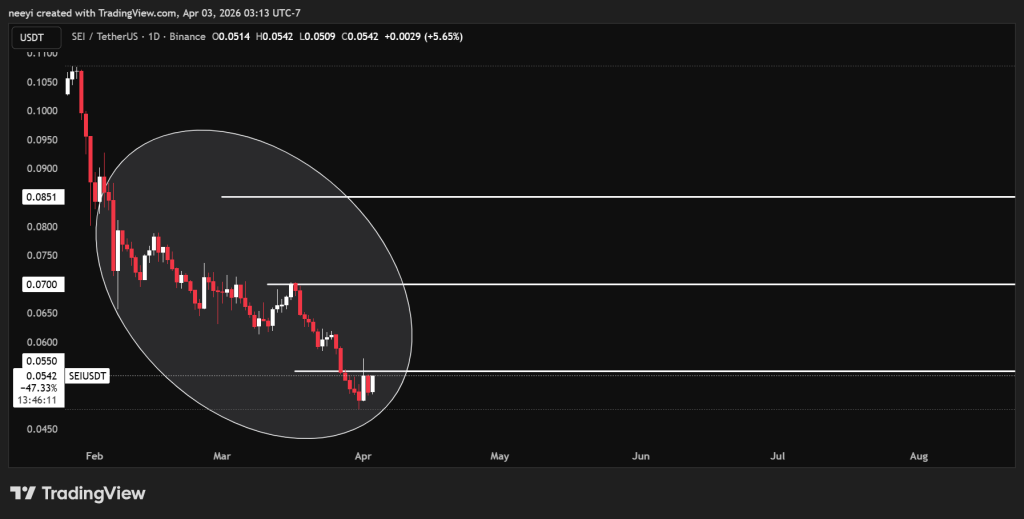
SEI Price Continues Lower: Can the Giga Upgrade Trigger a Full Reversal?

Bitcoin ETFs Surge with 20,685 BTC Inflows, Marking Strongest Week




