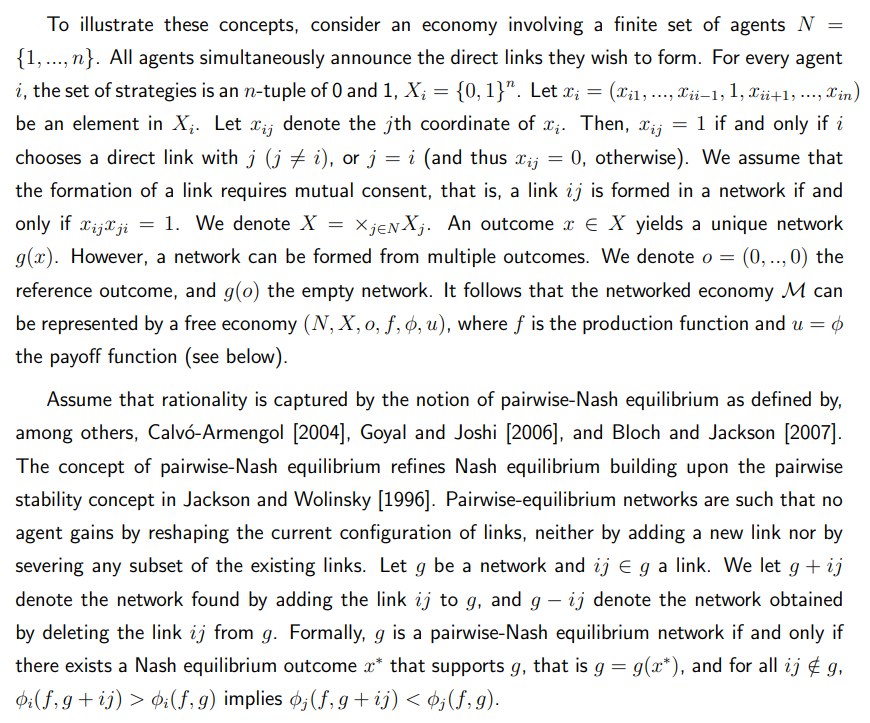
Bitcoin Offers No Safe Haven From Trump’s Greenland Dreams
-
Introduction (50–100 words)
The Davos forum saw geopolitics and crypto collide as President Donald Trump indicated he would not use force to seize Greenland, easing immediate tensions with NATO allies. While the rhetoric cooled, markets remained on edge about the broader implications for U.S.-EU relations and the arc of tariffs. Bitcoin initially rallied on the news before retreating, underscoring how geopolitics can translate into volatile price action for risk-on assets. -
Key Takeaways
- Trump signaled a pause on Greenland moves, replacing threats with a stated framework for future negotiations.
- Bitcoin briefly surged on relief but faced renewed pressure as investors weighed broader geopolitical risks and policy shifts.
- EU policymakers paused on tariff-related proposals as diplomacy sought to prevent a wider conflict, with markets watching for how Europe will respond.
- The episode highlighted how geopolitical developments can ripple through crypto markets, testing Bitcoin’s risk-on appeal amid global strain.
-
Tickers Mentioned (if any)
Tickers mentioned: $BTC
-
Sentiment (if applicable)
Sentiment: Neutral
-
Price Impact (if applicable)
Price impact: Neutral. Initial gains were offset by later caution as the geopolitical picture remained unsettled.
-
Trading Idea (Not Financial Advice) (optional)
Trading idea (Not Financial Advice): Hold. The situation remains fluid and macro factors could keep volatility elevated.
-
Market Context (optional)
Market context: The episode comes amid a season of heightened tension between major powers and a crypto market that increasingly prices geopolitical risk into asset flows.
- Rewritten article body (550–850 words)
The Davos gathering unfolded with a rare note of relief as US President Donald Trump signaled that the United States would not pursue a military grab for Greenland, a move that would upend Denmark’s jurisdiction and risk a NATO rupture. In a rambling, hour-long address to world leaders, Trump laid out why Greenland would be strategically valuable as a bulwark against Russian and Chinese influence, but ultimately walked back the idea of using force to seize the autonomous Danish territory. He also scrapped plans to leverage tariffs to pressure allies into concessions.
As the speech closed, Trump spoke of a “framework of a future deal,” signaling a shift from confrontation to negotiation. Markets kept a wary eye on the arc of policy and diplomacy, while Bitcoin moved in tandem with the mood. The cryptocurrency rose from the mid‑80,000s into the low 90,000s by the evening, a cautious reaction that reflected relief paired with lingering uncertainty about the U.S. and European stance on Arctic security and global trade.
Analysts have noted that geopolitical spikes tend to reverberate through crypto markets, which have grown increasingly sensitive to the health of global supply chains and macro risk sentiment. In recent sessions, Bitcoin’s trajectory has struggled to sustain any single upside, and the Davos developments added another layer of complexity for traders tracking whether risk assets can sustain a genuine rally.
Trump’s Greenland gambit had intensified at the start of the year, with the administration floating the possibility of a forceful move. Doing so would amount to a geopolitical escalation that could strain Denmark, a fellow NATO member, and complicate European security calculations. In parallel, a threat of a 25% tariff on countries opposing the Greenland plan raised concerns about a broader trade confrontation that could spill into crypto markets, given the sensitivity of digital assets to policy shocks and credit conditions.
Within this framework, voices on both sides of the Atlantic warned of the potential for disruption. French President Emmanuel Macron, in conversations surrounding the Davos agenda, suggested Europe could respond with strong economic tools if necessary, a stance that underscored the gravity of the moment for transatlantic commerce. The European Parliament had already moved to pause certain trade proposals in light of these tensions, delaying what had been framed as a pathway toward tariff reductions in a larger economic opening.
Bitcoin’s price history during this period has been instructive. After a years-long rally above the $100,000 level in late 2024, the asset retreated as macro headwinds intensified. It has since hovered near important psychological thresholds, with price action swinging on tariff chatter, policy signals, and the broader appetite for risk off or risk on. The Greenland narrative added another variable, reminding traders that geopolitical risk remains a potent driver of liquidity flows and sentiment in crypto markets.
Industry observers, including traders and analysts, noted that policy ambiguity can suppress the appetite for risk in digital assets even when a relief rally seems to be forming. IG’s Chris Beauchamp, who has tracked crypto dynamics amid global macro shifts, warned that cryptocurrencies do not operate in a vacuum and that escalations or negotiations in Washington and Brussels could translate into renewed selling pressure as investors reassess risk exposure. The Greenland episode also touched on broader questions about how U.S. and European policy choices could shape the trajectory of the crypto market in 2026, particularly as exchanges and custodians weigh regulatory expectations against evolving geopolitical realities.
On the ground, observers emphasized that the market is watching how diplomacy unfolds rather than bank on a single policy move. Danish officials remarked that reducing tensions and resuming dialogue would be the prudent path forward, emphasizing that security concerns in the Arctic need to be addressed within the framework of existing alliances. Meanwhile, some market participants argued that a negotiated pause might limit immediate disruption, but the inherent uncertainty would persist because leverage has already been established in the rhetoric surrounding Greenland and related trade actions.
Looking ahead, the episode serves as a reminder that Bitcoin and other digital assets are increasingly embedded in the global policy landscape. As countries recalibrate strategies in the Arctic and reframe trade norms, the price action of risk-on assets could remain tethered to diplomatic cadence as much as to technical indicators or macro liquidity. The crypto market has grown to accommodate such cross-currents, but it also remains vulnerable to sudden shifts in geopolitical risk appetite that can override routine technical signals in favor of headline-driven moves.
Cointelegraph will continue to monitor how policymakers balance security interests with economic cooperation, and how those choices influence the evolving relationship between traditional finance and the crypto ecosystem. The conversation at Davos underscored that Bitcoin’s fate remains intertwined with the global policy environment, even as it competes for relevance as a hedge, a risk-on asset, or a potential store of value in a world where geopolitical events are increasingly intertwined with market dynamics.
Disclaimer: Cointelegraph maintains editorial independence. The content herein is not financial advice and should not be construed as a recommendation to buy or sell any asset. Readers should conduct their own research and consult qualified professionals before making investment decisions.
This article was originally published as Bitcoin Offers No Safe Haven From Trump’s Greenland Dreams on Crypto Breaking News – your trusted source for crypto news, Bitcoin news, and blockchain updates.
You May Also Like

Best Crypto to Buy as Saylor & Crypto Execs Meet in US Treasury Council
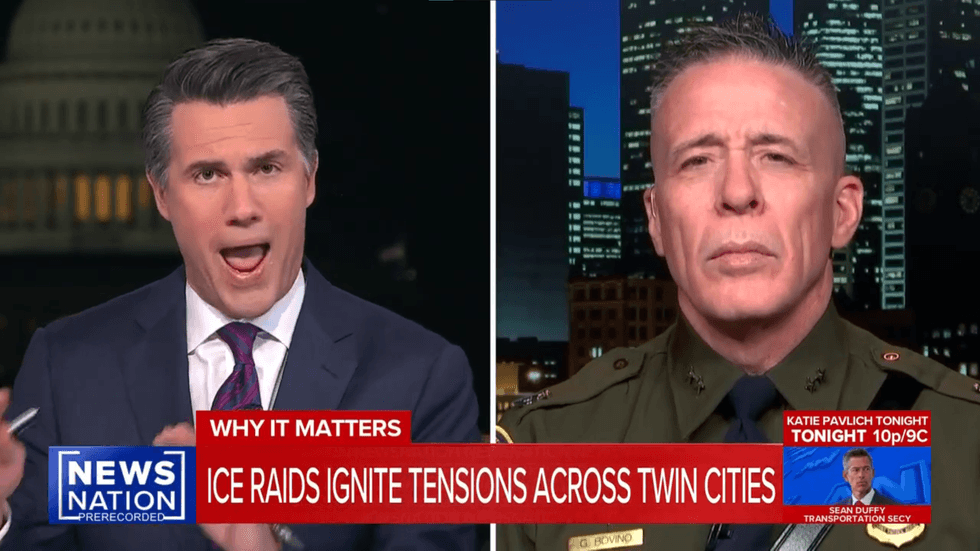
Trump's border chief insists Americans support ICE – and is shut down by host: 'Come on!'