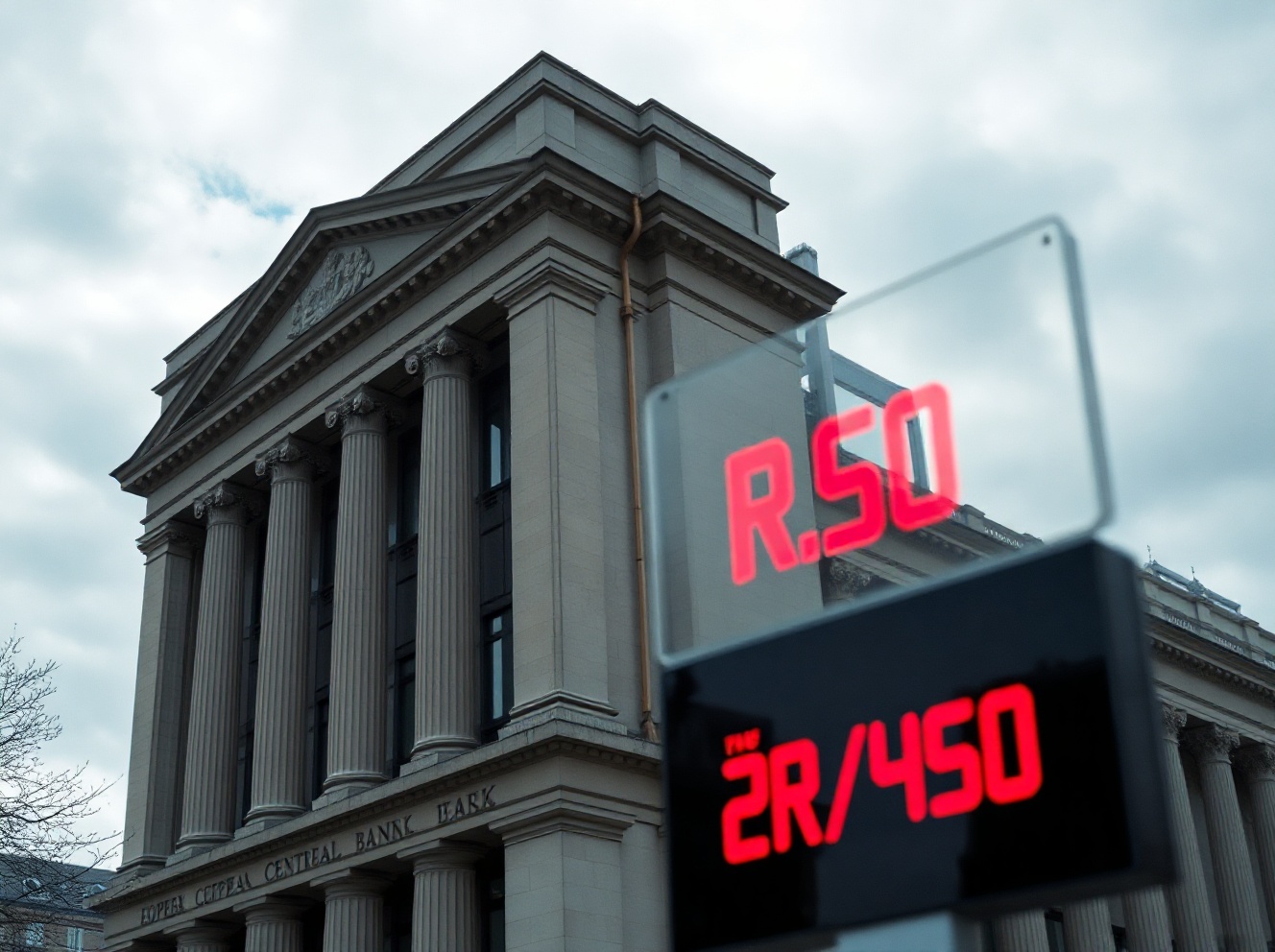
Nigeria’s internet penetration crossed the 50% mark in November 2025, reaching 50.58%, according to the latest industry data from the Nigerian Communications CommissionNigeria’s internet penetration crossed the 50% mark in November 2025, reaching 50.58%, according to the latest industry data from the Nigerian Communications Commission

Nigeria’s internet penetration crosses 50%, still short of national target

Nigeria’s internet penetration crossed the 50% mark in November 2025, reaching 50.58%, according to the latest industry data from the Nigerian Communications Commission (NCC), signifying steady progress but well short of the 70% broadband penetration target set under the National Broadband Plan (NBP) 2020–2025, which expires in December.

The increase was up from 45.61% in January, representing a gain of nearly five percentage points over the year.

The NBP established ambitious benchmarks to drive digital inclusion, includingextending effective broadband coverage to at least 90% of the population, achieving minimum download speeds of 25 Mbps in urban areas and 10 Mbps in rural regions, and ensuring data affordability at no more than ₦390 per 1GB, equivalent to 2% of median income or 1% of the minimum wage. Despite entering the plan’s final weeks, Nigeria’s current broadband landscape falls short.

By November 2025, broadband subscriptions in the country stood at around 109 million. The growth trajectory has been uneven: the nation missed its interim 2023 target of 50% penetration and ended 2024 at 44.43%, highlighting persistent structural and regulatory challenges. Among these, fibre optic vandalism, which accounts for 30 to 43 cuts daily, high Right-of-Way (RoW) fees, and declining subscription numbers, losing over a million users in early 2025, have hampered expansion and reliability.

Nevertheless, several factors have driven broadband growth in recent years. Mobile network expansion, particularly 3G and 4G deployments, has underpinned most of the increase, with limited 5G rollouts supplementing capacity in urban areas. Falling smartphone prices and competitive data bundles have enabled more Nigerians to access mobile internet, while policy frameworks like the NBP and investments in the National Communications Backbone have incentivised private sector participation, especially in underserved and rural areas.

The shortfall against targets largely reflects a mix of high deployment costs, infrastructure gaps, and coverage limitations. Operators face expensive RoW charges, multiple levies, and high energy costs to maintain base stations, particularly in rural regions. Fibre and last-mile networks have not expanded quickly enough beyond major cities, leaving significant populations unconnected and some network infrastructure underutilised.

Despite these obstacles, the Nigerian Communications Commission (NCC) maintains that the 70% penetration target remains the primary objective. With sustained investment in mobile broadband, growing smartphone adoption, and ongoing expansion of 4G/LTE infrastructure, the sector is poised to continue incremental growth, even if the original 2025 benchmark remains elusive.


Disclaimer: The articles reposted on this site are sourced from public platforms and are provided for informational purposes only. They do not necessarily reflect the views of MEXC. All rights remain with the original authors. If you believe any content infringes on third-party rights, please contact service@support.mexc.com for removal. MEXC makes no guarantees regarding the accuracy, completeness, or timeliness of the content and is not responsible for any actions taken based on the information provided. The content does not constitute financial, legal, or other professional advice, nor should it be considered a recommendation or endorsement by MEXC.

You May Also Like

FCA komt in 2026 met aangepaste cryptoregels voor Britse markt

FCA komt in 2026 met aangepaste cryptoregels voor Britse markt

De Britse financiële waakhond, de FCA, komt in 2026 met nieuwe regels speciaal voor crypto bedrijven. Wat direct opvalt: de toezichthouder laat enkele klassieke financiële verplichtingen los om beter aan te sluiten op de snelle en grillige wereld van digitale activa. Tegelijkertijd wordt er extra nadruk gelegd op digitale beveiliging,... Het bericht FCA komt in 2026 met aangepaste cryptoregels voor Britse markt verscheen het eerst op Blockchain Stories.
Share
Coinstats2025/09/18 00:33
Liquidity Boost Stabilizes Solana-Based Stablecoin USX After Market Drop

Liquidity Boost Stabilizes Solana-Based Stablecoin USX After Market Drop

Solana's USX stablecoin experiences a significant market drop due to liquidity issues. Solstice Finance intervenes to stabilize the value.Read more...
Share
Coinstats2025/12/27 12:51
Edges higher ahead of BoC-Fed policy outcome

Edges higher ahead of BoC-Fed policy outcome

The post Edges higher ahead of BoC-Fed policy outcome appeared on BitcoinEthereumNews.com. USD/CAD gains marginally to near 1.3760 ahead of monetary policy announcements by the Fed and the BoC. Both the Fed and the BoC are expected to lower interest rates. USD/CAD forms a Head and Shoulder chart pattern. The USD/CAD pair ticks up to near 1.3760 during the late European session on Wednesday. The Loonie pair gains marginally ahead of monetary policy outcomes by the Bank of Canada (BoC) and the Federal Reserve (Fed) during New York trading hours. Both the BoC and the Fed are expected to cut interest rates amid mounting labor market conditions in their respective economies. Inflationary pressures in the Canadian economy have cooled down, emerging as another reason behind the BoC’s dovish expectations. However, the Fed is expected to start the monetary-easing campaign despite the United States (US) inflation remaining higher. Investors will closely monitor press conferences from both Fed Chair Jerome Powell and BoC Governor Tiff Macklem to get cues about whether there will be more interest rate cuts in the remainder of the year. According to analysts from Barclays, the Fed’s latest median projections for interest rates are likely to call for three interest rate cuts by 2025. Ahead of the Fed’s monetary policy, the US Dollar Index (DXY), which tracks the Greenback’s value against six major currencies, holds onto Tuesday’s losses near 96.60. USD/CAD forms a Head and Shoulder chart pattern, which indicates a bearish reversal. The neckline of the above-mentioned chart pattern is plotted near 1.3715. The near-term trend of the pair remains bearish as it stays below the 20-day Exponential Moving Average (EMA), which trades around 1.3800. The 14-day Relative Strength Index (RSI) slides to near 40.00. A fresh bearish momentum would emerge if the RSI falls below that level. Going forward, the asset could slide towards the round level of…
Share
BitcoinEthereumNews2025/09/18 01:23