Crypto traders hoping for a festive lift have been forced to reset expectations. The long-anticipated Federal Reserve rate…Crypto traders hoping for a festive lift have been forced to reset expectations. The long-anticipated Federal Reserve rate…

Crypto traders shift focus to January after Fed rate cut failed to spark Santa rally

Crypto traders hoping for a festive lift have been forced to reset expectations. The long-anticipated Federal Reserve rate cut arrived on Wednesday, a 25-basis-point cut, lowering the federal funds target to 3.50-3.75 per cent, yet it did little to ignite the traditional year-end momentum many in the market were watching for. Instead of a Santa rally, Bitcoin slipped from about $94,000 to below $90,000 within minutes of the Fed’s announcement, with other major coins following the same trend.

The reaction was telling. After a year defined by shifting macro signals and aggressive positioning, the first rate cut of this cycle was expected to offer a psychological boost. It did not. Markets pulled back, and crypto sentiment reset almost immediately. Traders are now looking past December and pinning their hopes on early 2026, where conviction appears far stronger than anything on offer this season.

Adam Chu, chief researcher at the options analytics platform GreeksLive, is quoted by Decrypt as having said that the seasonal liquidity crunch remains a major factor. “With Christmas and year-end settlement approaching, this period historically marks the weakest liquidity conditions in crypto,” he noted. He added that market activity tends to thin out sharply in late December. The result is a narrow window where even positive news struggles to translate into meaningful price action.
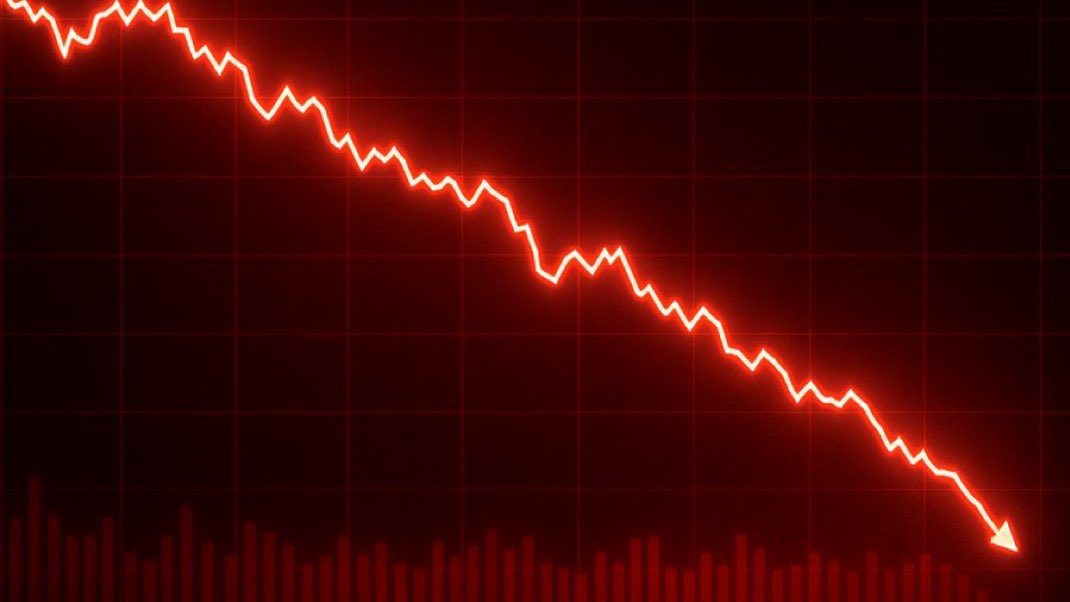
Crypto traders shift focus to January after the Fed rate cut fails to spark a Santa rallyBitcoin slumps despite Fed rate cut

Chu also pointed to a drop in implied volatility, a key metric watched closely by options traders. Lower implied volatility signals fewer expectations for sharp price swings. It is another reason, he said, why the odds of a sustained December rally were always slim. The aggressive positioning seen earlier in the quarter appears to have eased, replaced with caution as traders step back from the market’s most speculative corners.

The crypto market is now looking to 2026 instead

While December has disappointed, the tone for the first quarter of 2026 is far more optimistic. Traders are already shifting capital and risk appetite towards January and beyond, betting that the combination of looser monetary policy and fresh inflows could produce a stronger trend.

Sean Dawson, head of research at the on-chain options platform Derive, said the probability of Bitcoin pushing decisively through the six-figure threshold before Christmas has dwindled. “The chance of Bitcoin reclaiming and settling above $100,000 by Christmas now sits at around 24%,” he said. Only a month ago, those expectations were much higher. The new data shows how quickly sentiment has cooled.

Also read: Coinbase opens up full Solana token trading through in-app DEX for its 120 million users

Yet Dawson sees powerful signals further out. He said bullish traders are now “levering up for an explosive Q1”, pointing to a surge in call-option activity. Contracts at the $130,000 and $180,000 strikes for March 2026 have seen heavy accumulation. For analysts tracking order flow, it is a clear indication that traders believe the real opportunity lies beyond the holiday relative lull.

Several factors support this shift. The broader macro backdrop, while still uncertain, is expected to tilt more supportive as rate cuts stack up over the next year. Institutional flows into Bitcoin-linked products have remained steady. And despite short-term weakness, long-term holders continue to accumulate, reducing available supply on exchanges. Together, these dynamics help explain why bullish conviction has not evaporated but merely migrated to the first quarter.

Crypto traders shift focus to January after the Fed rate cut fails to spark a Santa rally

For now, the market must navigate what is typically the quietest period of the year. Liquidity remains thin. Retail participation tends to fall away. And many major players prefer to avoid taking fresh risks before books close.

The lack of a Santa rally may frustrate some, but the data shows a more nuanced picture. Bitcoin has already logged strong gains this year, and the market is behaving more like a maturing asset class than in previous cycles. Sharp rallies on news events are becoming less common. Instead, traders appear more focused on multi-month positioning and macro catalysts that could build momentum through the early months of 2026.

The next few weeks may still deliver surprises, but expectations have shifted decisively. The real story is no longer the December dip. It is the growing belief that early 2026 could set the tone for the next major phase of Bitcoin’s market cycle.


Market Opportunity
Illusion of Life Logo
Illusion of Life Price(SPARK)
$0.001396
$0.001396$0.001396
-4.18%
USD
Illusion of Life (SPARK) Live Price Chart
Disclaimer: The articles reposted on this site are sourced from public platforms and are provided for informational purposes only. They do not necessarily reflect the views of MEXC. All rights remain with the original authors. If you believe any content infringes on third-party rights, please contact service@support.mexc.com for removal. MEXC makes no guarantees regarding the accuracy, completeness, or timeliness of the content and is not responsible for any actions taken based on the information provided. The content does not constitute financial, legal, or other professional advice, nor should it be considered a recommendation or endorsement by MEXC.

You May Also Like

The Era of Great Rotation: What Does the Historic Gold Crash Mean for Bitcoin?

The Era of Great Rotation: What Does the Historic Gold Crash Mean for Bitcoin?

Article by: Axel Bitblaze Article compiled by : Block unicorn brief Gold just experienced its worst day since the 1980s. Silver plummeted more than 30% in a few
Share
PANews2026/02/02 20:04
Unlocking Massive Value: Curve Finance Revenue Sharing Proposal for CRV Holders

Unlocking Massive Value: Curve Finance Revenue Sharing Proposal for CRV Holders

BitcoinWorld Unlocking Massive Value: Curve Finance Revenue Sharing Proposal for CRV Holders The dynamic world of decentralized finance (DeFi) is constantly evolving, bringing forth new opportunities and innovations. A significant development is currently unfolding at Curve Finance, a leading decentralized exchange (DEX). Its founder, Michael Egorov, has put forth an exciting proposal designed to offer a more direct path for token holders to earn revenue. This initiative, centered around a new Curve Finance revenue sharing model, aims to bolster the value for those actively participating in the protocol’s governance. What is the “Yield Basis” Proposal and How Does it Work? At the core of this forward-thinking initiative is a new protocol dubbed Yield Basis. Michael Egorov introduced this concept on the CurveDAO governance forum, outlining a mechanism to distribute sustainable profits directly to CRV holders. Specifically, it targets those who stake their CRV tokens to gain veCRV, which are essential for governance participation within the Curve ecosystem. Let’s break down the initial steps of this innovative proposal: crvUSD Issuance: Before the Yield Basis protocol goes live, $60 million in crvUSD will be issued. Strategic Fund Allocation: The funds generated from the sale of these crvUSD tokens will be strategically deployed into three distinct Bitcoin-based liquidity pools: WBTC, cbBTC, and tBTC. Pool Capping: To ensure balanced risk and diversified exposure, each of these pools will be capped at $10 million. This carefully designed structure aims to establish a robust and consistent income stream, forming the bedrock of a sustainable Curve Finance revenue sharing mechanism. Why is This Curve Finance Revenue Sharing Significant for CRV Holders? This proposal marks a pivotal moment for CRV holders, particularly those dedicated to the long-term health and governance of Curve Finance. Historically, generating revenue for token holders in the DeFi space can often be complex. The Yield Basis proposal simplifies this by offering a more direct and transparent pathway to earnings. By staking CRV for veCRV, holders are not merely engaging in governance; they are now directly positioned to benefit from the protocol’s overall success. The significance of this development is multifaceted: Direct Profit Distribution: veCRV holders are set to receive a substantial share of the profits generated by the Yield Basis protocol. Incentivized Governance: This direct financial incentive encourages more users to stake their CRV, which in turn strengthens the protocol’s decentralized governance structure. Enhanced Value Proposition: The promise of sustainable revenue sharing could significantly boost the inherent value of holding and staking CRV tokens. Ultimately, this move underscores Curve Finance’s dedication to rewarding its committed community and ensuring the long-term vitality of its ecosystem through effective Curve Finance revenue sharing. Understanding the Mechanics: Profit Distribution and Ecosystem Support The distribution model for Yield Basis has been thoughtfully crafted to strike a balance between rewarding veCRV holders and supporting the wider Curve ecosystem. Under the terms of the proposal, a substantial portion of the value generated by Yield Basis will flow back to those who contribute to the protocol’s governance. Returns for veCRV Holders: A significant share, specifically between 35% and 65% of the value generated by Yield Basis, will be distributed to veCRV holders. This flexible range allows for dynamic adjustments based on market conditions and the protocol’s performance. Ecosystem Reserve: Crucially, 25% of the Yield Basis tokens will be reserved exclusively for the Curve ecosystem. This allocation can be utilized for various strategic purposes, such as funding ongoing development, issuing grants, or further incentivizing liquidity providers. This ensures the continuous growth and innovation of the platform. The proposal is currently undergoing a democratic vote on the CurveDAO governance forum, giving the community a direct voice in shaping the future of Curve Finance revenue sharing. The voting period is scheduled to conclude on September 24th. What’s Next for Curve Finance and CRV Holders? The proposed Yield Basis protocol represents a pioneering approach to sustainable revenue generation and community incentivization within the DeFi landscape. If approved by the community, this Curve Finance revenue sharing model has the potential to establish a new benchmark for how decentralized exchanges reward their most dedicated participants. It aims to foster a more robust and engaged community by directly linking governance participation with tangible financial benefits. This strategic move by Michael Egorov and the Curve Finance team highlights a strong commitment to innovation and strengthening the decentralized nature of the protocol. For CRV holders, a thorough understanding of this proposal is crucial for making informed decisions regarding their staking strategies and overall engagement with one of DeFi’s foundational platforms. FAQs about Curve Finance Revenue Sharing Q1: What is the main goal of the Yield Basis proposal? A1: The primary goal is to establish a more direct and sustainable way for CRV token holders who stake their tokens (receiving veCRV) to earn revenue from the Curve Finance protocol. Q2: How will funds be generated for the Yield Basis protocol? A2: Initially, $60 million in crvUSD will be issued and sold. The funds from this sale will then be allocated to three Bitcoin-based pools (WBTC, cbBTC, and tBTC), with each pool capped at $10 million, to generate profits. Q3: Who benefits from the Yield Basis revenue sharing? A3: The proposal states that between 35% and 65% of the value generated by Yield Basis will be returned to veCRV holders, who are CRV stakers participating in governance. Q4: What is the purpose of the 25% reserve for the Curve ecosystem? A4: This 25% reserve of Yield Basis tokens is intended to support the broader Curve ecosystem, potentially funding development, grants, or other initiatives that contribute to the platform’s growth and sustainability. Q5: When is the vote on the Yield Basis proposal? A5: A vote on the proposal is currently underway on the CurveDAO governance forum and is scheduled to run until September 24th. If you found this article insightful and valuable, please consider sharing it with your friends, colleagues, and followers on social media! Your support helps us continue to deliver important DeFi insights and analysis to a wider audience. To learn more about the latest DeFi market trends, explore our article on key developments shaping decentralized finance institutional adoption. This post Unlocking Massive Value: Curve Finance Revenue Sharing Proposal for CRV Holders first appeared on BitcoinWorld.
Share
Coinstats2025/09/18 00:35
Versapay Releases 2026 Cash Flow Clarity Report: CFOs Face Rising Cash Flow Uncertainty Amid Persistent Payment Delays

Versapay Releases 2026 Cash Flow Clarity Report: CFOs Face Rising Cash Flow Uncertainty Amid Persistent Payment Delays

Survey of 400 senior finance leaders reveals the growing impact of late payments and cash flow uncertainty on strategic decision-making SAN FRANCISCO, Feb. 2, 2026
Share
AI Journal2026/02/02 20:46





