BitcoinWorld Strategic WLFI Token Buyback Set to Boost Value In the dynamic world of decentralized finance, news of projects taking decisive action to enhance their ecosystem always captures attention. This week, WorldLibertyFinancial (WLFI) is making headlines with a significant move: the initiation of a WLFI token buyback and burn program. This development is poised to create a ripple effect for the project and its community. What is the Strategic WLFI Token Buyback and Burn? WorldLibertyFinancial (WLFI) recently announced on X that it will begin buying back and burning its native tokens. This isn’t just an arbitrary decision; it’s a strategic move following the unanimous passage of a governance proposal. The core of this initiative involves allocating all protocol-owned liquidity fees specifically for this purpose. Protocol-Owned Liquidity Fees: These are funds generated by the WLFI protocol itself, often from transaction fees or other operational activities. Instead of being used for other purposes, they are now dedicated to reducing token supply. Governance Proposal: The fact that this was a unanimous decision by the community underscores a strong consensus and commitment to the project’s long-term health. It highlights the power of decentralized governance. The commitment to a transparent WLFI token buyback process means that details will be openly shared, fostering trust and accountability within the community. How Does WLFI’s Token Buyback Benefit Holders? A token buyback and burn mechanism is a powerful deflationary tool in the crypto space. When tokens are bought back from the open market and then permanently removed from circulation (burned), the total supply decreases. What does this mean for existing holders? Increased Scarcity: With fewer tokens available, each remaining token theoretically becomes more scarce and potentially more valuable. Potential Price Appreciation: Reduced supply, assuming constant or increasing demand, can lead to upward pressure on the token’s price. Community Empowerment: The decision for the WLFI token buyback came directly from a governance vote, demonstrating that the community has a direct say in shaping the project’s economic future. This fosters a sense of ownership and long-term commitment. This strategy aligns WLFI with a growing trend among successful DeFi projects that implement similar mechanisms to create sustainable value for their ecosystems. Ensuring Transparency in the WLFI Token Buyback Process Transparency is paramount in the blockchain and cryptocurrency sectors. WLFI has explicitly stated its intention to disclose all details of the buyback and burn process. Why is this so crucial? Building Trust: Open communication about when, how many, and at what price tokens are bought and burned helps build confidence among investors and community members. Preventing Manipulation: Transparent reporting mitigates concerns about market manipulation, ensuring that the process is fair and equitable. Accountability: By openly sharing data, WLFI demonstrates its commitment to accountability, a core principle of decentralized finance. This proactive approach to transparency reinforces WLFI’s dedication to its community and the integrity of the WLFI token buyback program. The Broader Impact of Token Buybacks in DeFi The implementation of a WLFI token buyback strategy is not an isolated event; it reflects a broader evolution in the DeFi space. Many projects are moving towards sustainable economic models that reward long-term holders and reduce inflationary pressures. Token buybacks, often funded by protocol revenue, are a key component of these strategies. This approach can: Attract New Investors: Projects with clear value accrual mechanisms are often more attractive to potential investors looking for stable and growing assets. Foster Ecosystem Growth: A healthier token economy can encourage more participation in the protocol, leading to increased usage and innovation. Provide Long-Term Sustainability: By systematically reducing supply, projects aim to create a more robust and enduring economic foundation. WLFI’s move could serve as an example for other projects looking to strengthen their tokenomics and foster a more engaged community. The initiation of the WLFI token buyback and burn program marks a significant milestone for WorldLibertyFinancial. By dedicating protocol liquidity fees to this endeavor, and doing so with a commitment to transparency, WLFI is actively working to enhance the value proposition for its token holders and reinforce community trust. This strategic decision, born from a unanimous governance vote, positions WLFI for potentially stronger long-term growth and stability within the competitive DeFi landscape. It’s a clear signal of the project’s dedication to sustainable value creation. Frequently Asked Questions (FAQs) Q1: What is a token buyback and burn? A1: A token buyback involves a project purchasing its own tokens from the open market. A token burn then permanently removes these purchased tokens from circulation, reducing the total supply. Q2: Why is WLFI implementing a buyback and burn? A2: WLFI is implementing this to reduce the total supply of its native token, aiming to increase its scarcity and potentially its market value, benefiting existing token holders. This was decided via a community governance proposal. Q3: Where do the funds for the WLFI token buyback come from? A3: The funds for the WLFI token buyback will come exclusively from protocol-owned liquidity fees, which are generated through the operations of the WorldLibertyFinancial protocol. Q4: How will WLFI ensure transparency in this process? A4: WLFI has committed to transparently disclosing all details related to the buyback and burn process, including the amounts, timing, and execution, to maintain community trust and accountability. Q5: How does this impact the WLFI community? A5: This move is expected to benefit the community by potentially increasing token value and demonstrating a strong commitment to sustainable growth. It also highlights the effectiveness of decentralized governance, as the decision was community-driven. Did you find this article insightful? Share it with your friends and fellow crypto enthusiasts on social media to spread the word about WLFI’s exciting new initiative! To learn more about the latest crypto market trends, explore our article on key developments shaping cryptocurrency price action. This post Strategic WLFI Token Buyback Set to Boost Value first appeared on BitcoinWorld.BitcoinWorld Strategic WLFI Token Buyback Set to Boost Value In the dynamic world of decentralized finance, news of projects taking decisive action to enhance their ecosystem always captures attention. This week, WorldLibertyFinancial (WLFI) is making headlines with a significant move: the initiation of a WLFI token buyback and burn program. This development is poised to create a ripple effect for the project and its community. What is the Strategic WLFI Token Buyback and Burn? WorldLibertyFinancial (WLFI) recently announced on X that it will begin buying back and burning its native tokens. This isn’t just an arbitrary decision; it’s a strategic move following the unanimous passage of a governance proposal. The core of this initiative involves allocating all protocol-owned liquidity fees specifically for this purpose. Protocol-Owned Liquidity Fees: These are funds generated by the WLFI protocol itself, often from transaction fees or other operational activities. Instead of being used for other purposes, they are now dedicated to reducing token supply. Governance Proposal: The fact that this was a unanimous decision by the community underscores a strong consensus and commitment to the project’s long-term health. It highlights the power of decentralized governance. The commitment to a transparent WLFI token buyback process means that details will be openly shared, fostering trust and accountability within the community. How Does WLFI’s Token Buyback Benefit Holders? A token buyback and burn mechanism is a powerful deflationary tool in the crypto space. When tokens are bought back from the open market and then permanently removed from circulation (burned), the total supply decreases. What does this mean for existing holders? Increased Scarcity: With fewer tokens available, each remaining token theoretically becomes more scarce and potentially more valuable. Potential Price Appreciation: Reduced supply, assuming constant or increasing demand, can lead to upward pressure on the token’s price. Community Empowerment: The decision for the WLFI token buyback came directly from a governance vote, demonstrating that the community has a direct say in shaping the project’s economic future. This fosters a sense of ownership and long-term commitment. This strategy aligns WLFI with a growing trend among successful DeFi projects that implement similar mechanisms to create sustainable value for their ecosystems. Ensuring Transparency in the WLFI Token Buyback Process Transparency is paramount in the blockchain and cryptocurrency sectors. WLFI has explicitly stated its intention to disclose all details of the buyback and burn process. Why is this so crucial? Building Trust: Open communication about when, how many, and at what price tokens are bought and burned helps build confidence among investors and community members. Preventing Manipulation: Transparent reporting mitigates concerns about market manipulation, ensuring that the process is fair and equitable. Accountability: By openly sharing data, WLFI demonstrates its commitment to accountability, a core principle of decentralized finance. This proactive approach to transparency reinforces WLFI’s dedication to its community and the integrity of the WLFI token buyback program. The Broader Impact of Token Buybacks in DeFi The implementation of a WLFI token buyback strategy is not an isolated event; it reflects a broader evolution in the DeFi space. Many projects are moving towards sustainable economic models that reward long-term holders and reduce inflationary pressures. Token buybacks, often funded by protocol revenue, are a key component of these strategies. This approach can: Attract New Investors: Projects with clear value accrual mechanisms are often more attractive to potential investors looking for stable and growing assets. Foster Ecosystem Growth: A healthier token economy can encourage more participation in the protocol, leading to increased usage and innovation. Provide Long-Term Sustainability: By systematically reducing supply, projects aim to create a more robust and enduring economic foundation. WLFI’s move could serve as an example for other projects looking to strengthen their tokenomics and foster a more engaged community. The initiation of the WLFI token buyback and burn program marks a significant milestone for WorldLibertyFinancial. By dedicating protocol liquidity fees to this endeavor, and doing so with a commitment to transparency, WLFI is actively working to enhance the value proposition for its token holders and reinforce community trust. This strategic decision, born from a unanimous governance vote, positions WLFI for potentially stronger long-term growth and stability within the competitive DeFi landscape. It’s a clear signal of the project’s dedication to sustainable value creation. Frequently Asked Questions (FAQs) Q1: What is a token buyback and burn? A1: A token buyback involves a project purchasing its own tokens from the open market. A token burn then permanently removes these purchased tokens from circulation, reducing the total supply. Q2: Why is WLFI implementing a buyback and burn? A2: WLFI is implementing this to reduce the total supply of its native token, aiming to increase its scarcity and potentially its market value, benefiting existing token holders. This was decided via a community governance proposal. Q3: Where do the funds for the WLFI token buyback come from? A3: The funds for the WLFI token buyback will come exclusively from protocol-owned liquidity fees, which are generated through the operations of the WorldLibertyFinancial protocol. Q4: How will WLFI ensure transparency in this process? A4: WLFI has committed to transparently disclosing all details related to the buyback and burn process, including the amounts, timing, and execution, to maintain community trust and accountability. Q5: How does this impact the WLFI community? A5: This move is expected to benefit the community by potentially increasing token value and demonstrating a strong commitment to sustainable growth. It also highlights the effectiveness of decentralized governance, as the decision was community-driven. Did you find this article insightful? Share it with your friends and fellow crypto enthusiasts on social media to spread the word about WLFI’s exciting new initiative! To learn more about the latest crypto market trends, explore our article on key developments shaping cryptocurrency price action. This post Strategic WLFI Token Buyback Set to Boost Value first appeared on BitcoinWorld.

Strategic WLFI Token Buyback Set to Boost Value

BitcoinWorld
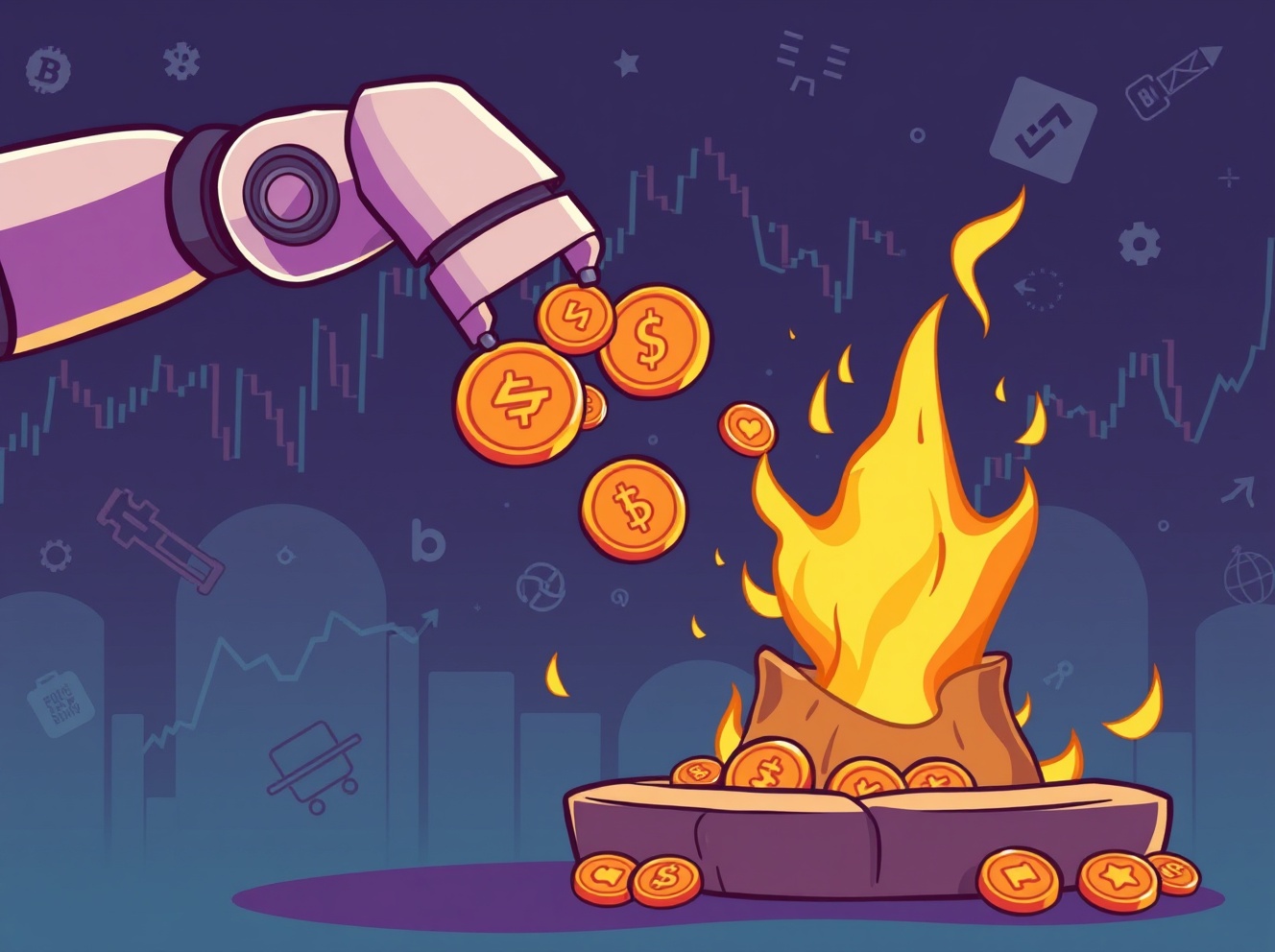
Strategic WLFI Token Buyback Set to Boost Value

In the dynamic world of decentralized finance, news of projects taking decisive action to enhance their ecosystem always captures attention. This week, WorldLibertyFinancial (WLFI) is making headlines with a significant move: the initiation of a WLFI token buyback and burn program. This development is poised to create a ripple effect for the project and its community.

What is the Strategic WLFI Token Buyback and Burn?

WorldLibertyFinancial (WLFI) recently announced on X that it will begin buying back and burning its native tokens. This isn’t just an arbitrary decision; it’s a strategic move following the unanimous passage of a governance proposal. The core of this initiative involves allocating all protocol-owned liquidity fees specifically for this purpose.

  • Protocol-Owned Liquidity Fees: These are funds generated by the WLFI protocol itself, often from transaction fees or other operational activities. Instead of being used for other purposes, they are now dedicated to reducing token supply.
  • Governance Proposal: The fact that this was a unanimous decision by the community underscores a strong consensus and commitment to the project’s long-term health. It highlights the power of decentralized governance.

The commitment to a transparent WLFI token buyback process means that details will be openly shared, fostering trust and accountability within the community.

How Does WLFI’s Token Buyback Benefit Holders?

A token buyback and burn mechanism is a powerful deflationary tool in the crypto space. When tokens are bought back from the open market and then permanently removed from circulation (burned), the total supply decreases. What does this mean for existing holders?

  • Increased Scarcity: With fewer tokens available, each remaining token theoretically becomes more scarce and potentially more valuable.
  • Potential Price Appreciation: Reduced supply, assuming constant or increasing demand, can lead to upward pressure on the token’s price.
  • Community Empowerment: The decision for the WLFI token buyback came directly from a governance vote, demonstrating that the community has a direct say in shaping the project’s economic future. This fosters a sense of ownership and long-term commitment.

This strategy aligns WLFI with a growing trend among successful DeFi projects that implement similar mechanisms to create sustainable value for their ecosystems.

Ensuring Transparency in the WLFI Token Buyback Process

Transparency is paramount in the blockchain and cryptocurrency sectors. WLFI has explicitly stated its intention to disclose all details of the buyback and burn process. Why is this so crucial?

  • Building Trust: Open communication about when, how many, and at what price tokens are bought and burned helps build confidence among investors and community members.
  • Preventing Manipulation: Transparent reporting mitigates concerns about market manipulation, ensuring that the process is fair and equitable.
  • Accountability: By openly sharing data, WLFI demonstrates its commitment to accountability, a core principle of decentralized finance.

This proactive approach to transparency reinforces WLFI’s dedication to its community and the integrity of the WLFI token buyback program.

The Broader Impact of Token Buybacks in DeFi

The implementation of a WLFI token buyback strategy is not an isolated event; it reflects a broader evolution in the DeFi space. Many projects are moving towards sustainable economic models that reward long-term holders and reduce inflationary pressures. Token buybacks, often funded by protocol revenue, are a key component of these strategies.

This approach can:

  • Attract New Investors: Projects with clear value accrual mechanisms are often more attractive to potential investors looking for stable and growing assets.
  • Foster Ecosystem Growth: A healthier token economy can encourage more participation in the protocol, leading to increased usage and innovation.
  • Provide Long-Term Sustainability: By systematically reducing supply, projects aim to create a more robust and enduring economic foundation.

WLFI’s move could serve as an example for other projects looking to strengthen their tokenomics and foster a more engaged community.

The initiation of the WLFI token buyback and burn program marks a significant milestone for WorldLibertyFinancial. By dedicating protocol liquidity fees to this endeavor, and doing so with a commitment to transparency, WLFI is actively working to enhance the value proposition for its token holders and reinforce community trust. This strategic decision, born from a unanimous governance vote, positions WLFI for potentially stronger long-term growth and stability within the competitive DeFi landscape. It’s a clear signal of the project’s dedication to sustainable value creation.

Frequently Asked Questions (FAQs)

Q1: What is a token buyback and burn?
A1: A token buyback involves a project purchasing its own tokens from the open market. A token burn then permanently removes these purchased tokens from circulation, reducing the total supply.

Q2: Why is WLFI implementing a buyback and burn?
A2: WLFI is implementing this to reduce the total supply of its native token, aiming to increase its scarcity and potentially its market value, benefiting existing token holders. This was decided via a community governance proposal.

Q3: Where do the funds for the WLFI token buyback come from?
A3: The funds for the WLFI token buyback will come exclusively from protocol-owned liquidity fees, which are generated through the operations of the WorldLibertyFinancial protocol.

Q4: How will WLFI ensure transparency in this process?
A4: WLFI has committed to transparently disclosing all details related to the buyback and burn process, including the amounts, timing, and execution, to maintain community trust and accountability.

Q5: How does this impact the WLFI community?
A5: This move is expected to benefit the community by potentially increasing token value and demonstrating a strong commitment to sustainable growth. It also highlights the effectiveness of decentralized governance, as the decision was community-driven.

Did you find this article insightful? Share it with your friends and fellow crypto enthusiasts on social media to spread the word about WLFI’s exciting new initiative!

To learn more about the latest crypto market trends, explore our article on key developments shaping cryptocurrency price action.

This post Strategic WLFI Token Buyback Set to Boost Value first appeared on BitcoinWorld.

Market Opportunity
WLFI Logo
WLFI Price(WLFI)
$0.1735
$0.1735$0.1735
+0.28%
USD
WLFI (WLFI) Live Price Chart
Disclaimer: The articles reposted on this site are sourced from public platforms and are provided for informational purposes only. They do not necessarily reflect the views of MEXC. All rights remain with the original authors. If you believe any content infringes on third-party rights, please contact service@support.mexc.com for removal. MEXC makes no guarantees regarding the accuracy, completeness, or timeliness of the content and is not responsible for any actions taken based on the information provided. The content does not constitute financial, legal, or other professional advice, nor should it be considered a recommendation or endorsement by MEXC.

You May Also Like

The Channel Factories We’ve Been Waiting For

The Channel Factories We’ve Been Waiting For

The post The Channel Factories We’ve Been Waiting For appeared on BitcoinEthereumNews.com. Visions of future technology are often prescient about the broad strokes while flubbing the details. The tablets in “2001: A Space Odyssey” do indeed look like iPads, but you never see the astronauts paying for subscriptions or wasting hours on Candy Crush.  Channel factories are one vision that arose early in the history of the Lightning Network to address some challenges that Lightning has faced from the beginning. Despite having grown to become Bitcoin’s most successful layer-2 scaling solution, with instant and low-fee payments, Lightning’s scale is limited by its reliance on payment channels. Although Lightning shifts most transactions off-chain, each payment channel still requires an on-chain transaction to open and (usually) another to close. As adoption grows, pressure on the blockchain grows with it. The need for a more scalable approach to managing channels is clear. Channel factories were supposed to meet this need, but where are they? In 2025, subnetworks are emerging that revive the impetus of channel factories with some new details that vastly increase their potential. They are natively interoperable with Lightning and achieve greater scale by allowing a group of participants to open a shared multisig UTXO and create multiple bilateral channels, which reduces the number of on-chain transactions and improves capital efficiency. Achieving greater scale by reducing complexity, Ark and Spark perform the same function as traditional channel factories with new designs and additional capabilities based on shared UTXOs.  Channel Factories 101 Channel factories have been around since the inception of Lightning. A factory is a multiparty contract where multiple users (not just two, as in a Dryja-Poon channel) cooperatively lock funds in a single multisig UTXO. They can open, close and update channels off-chain without updating the blockchain for each operation. Only when participants leave or the factory dissolves is an on-chain transaction…
Share
BitcoinEthereumNews2025/09/18 00:09
Gold Hits $3,700 as Sprott’s Wong Says Dollar’s Store-of-Value Crown May Slip
Gold Hits $3,700 as Sprott’s Wong Says Dollar’s Store-of-Value Crown May Slip

The post Gold Hits $3,700 as Sprott’s Wong Says Dollar’s Store-of-Value Crown May Slip appeared on BitcoinEthereumNews.com. Gold is strutting its way into record territory, smashing through $3,700 an ounce Wednesday morning, as Sprott Asset Management strategist Paul Wong says the yellow metal may finally snatch the dollar’s most coveted role: store of value. Wong Warns: Fiscal Dominance Puts U.S. Dollar on Notice, Gold on Top Gold prices eased slightly to $3,678.9 […] Source: https://news.bitcoin.com/gold-hits-3700-as-sprotts-wong-says-dollars-store-of-value-crown-may-slip/
Share
BitcoinEthereumNews2025/09/18 00:33
ZKP Crypto Presale Auction: 8,000x Returns Slipping Away with Each Burned Coin

ZKP Crypto Presale Auction: 8,000x Returns Slipping Away with Each Burned Coin

Zero Knowledge Proof (ZKP) operates a 450-day crypto ICO, burning unsold coins each day. Supply drops through phases, plus a strong deflationary design might create
Share
coinlineup2026/01/23 01:00