BitcoinWorld Stunning Shift: JPMorgan CEO Now Calls Crypto and Blockchain Key to the Future In a stunning reversal that signals a new era for finance, JPMorgan Chase CEO Jamie Dimon has publicly acknowledged that crypto and blockchain are key future technologies. This pivot from one of Wall Street’s most vocal critics marks a watershed moment for the entire digital asset industry. What does this mean for the future of […] This post Stunning Shift: JPMorgan CEO Now Calls Crypto and Blockchain Key to the Future first appeared on BitcoinWorld.BitcoinWorld Stunning Shift: JPMorgan CEO Now Calls Crypto and Blockchain Key to the Future In a stunning reversal that signals a new era for finance, JPMorgan Chase CEO Jamie Dimon has publicly acknowledged that crypto and blockchain are key future technologies. This pivot from one of Wall Street’s most vocal critics marks a watershed moment for the entire digital asset industry. What does this mean for the future of […] This post Stunning Shift: JPMorgan CEO Now Calls Crypto and Blockchain Key to the Future first appeared on BitcoinWorld.

Stunning Shift: JPMorgan CEO Now Calls Crypto and Blockchain Key to the Future

2025/12/09 14:40
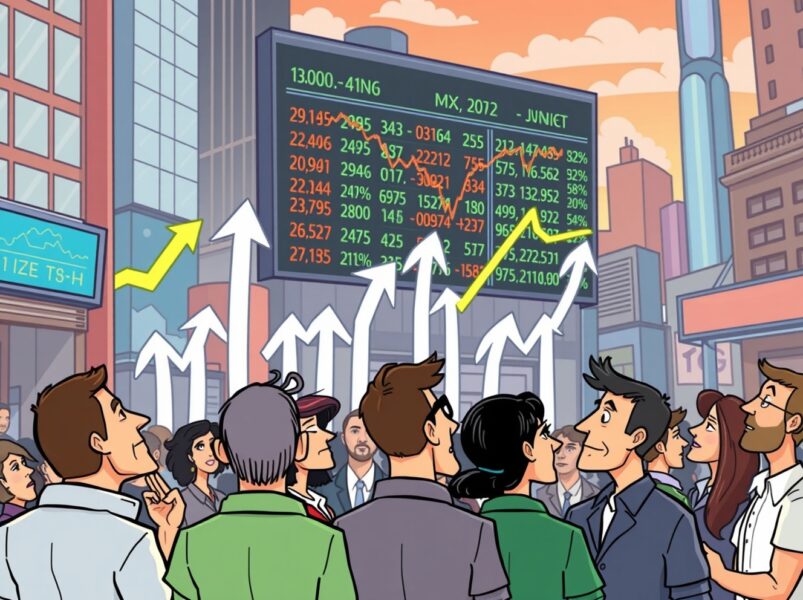
Cartoon of a traditional bank transforming with crypto and blockchain technology integration.

BitcoinWorld

Stunning Shift: JPMorgan CEO Now Calls Crypto and Blockchain Key to the Future

In a stunning reversal that signals a new era for finance, JPMorgan Chase CEO Jamie Dimon has publicly acknowledged that crypto and blockchain are key future technologies. This pivot from one of Wall Street’s most vocal critics marks a watershed moment for the entire digital asset industry. What does this mean for the future of money?

Why Is Jamie Dimon’s Crypto Stance So Significant?

For years, Jamie Dimon famously dismissed Bitcoin as a ‘fraud’ and expressed deep skepticism about cryptocurrencies. However, his recent interview with Fox Business reveals a complete strategic shift. He now states that the underlying blockchain technology is real and that the ‘era of asset tokenization is not far off.’ This isn’t just a change of heart; it’s a validation from the very top of traditional finance.

Analysts like CryptosRUs point out the critical nuance: Dimon isn’t hyping speculative crypto purchases. Instead, he is logically acknowledging that the infrastructure works. When the biggest skeptic stops mocking and starts applying logic, the debate is effectively over. This move paves the way for broader institutional adoption.

What Does ‘Key Future Technologies’ Actually Mean?

Dimon’s statement goes beyond mere acceptance. Labeling crypto and blockchain as ‘key’ technologies implies they will be fundamental to JPMorgan’s and the wider financial sector’s future operations. This likely refers to several concrete applications:

  • Asset Tokenization: Converting real-world assets like stocks, bonds, or real estate into digital tokens on a blockchain for faster, cheaper settlement.
  • Smart Contracts: Using self-executing contracts to automate complex financial agreements and reduce counterparty risk.
  • Cross-Border Payments: Leveraging blockchain networks to make international transactions nearly instantaneous and less expensive.

JPMorgan is already a leader in blockchain application through its JPM Coin and Onyx division. Dimon’s public comments suggest these internal experiments are proving successful, warranting a full-throated endorsement of the technology’s potential.

How Does This Impact the Average Investor?

This shift is a powerful signal for everyone, not just Wall Street insiders. When the CEO of America’s largest bank changes his tune, it influences market sentiment, regulatory discussions, and public perception. For investors, it means:

  • Increased Legitimacy: The ‘fraud’ narrative loses its loudest voice, reducing stigma.
  • Accelerated Development: More institutional capital and talent will flow into building robust crypto and blockchain infrastructure.
  • Mainstream Products: Expect more regulated, user-friendly crypto investment products from major financial institutions.

However, challenges remain. Regulatory clarity is still evolving, and market volatility persists. Dimon’s endorsement is a major step, but it’s part of a longer journey toward full integration.

The Final Verdict on Crypto and Blockchain’s Future

Jamie Dimon’s pivot is a landmark event. It represents the closing of a contentious chapter where traditional finance viewed crypto with hostility. We are now entering a pragmatic phase focused on utility and integration. The core promise of crypto and blockchain—decentralization, transparency, and efficiency—is being recognized by the very institutions it aimed to challenge.

This doesn’t guarantee smooth sailing for every cryptocurrency, but it solidifies the foundational technology’s role in building the next generation of financial systems. The train has left the station, and even the former station master is now on board.

Frequently Asked Questions (FAQs)

Q: Does Jamie Dimon now like Bitcoin?
A: He acknowledges the technology behind it (blockchain) as real and key for the future. He is not endorsing Bitcoin as an investment, but rather the utility of the underlying systems.

Q: What is asset tokenization?
A: It’s the process of converting the ownership rights of a physical or financial asset (like real estate or a bond) into a digital token on a blockchain. This can make buying, selling, and trading these assets faster and more efficient.

Q: Will JPMorgan start selling Bitcoin?
A: JPMorgan already offers crypto-related services to institutional clients through its blockchain platform. Dimon’s comments make it more likely they will expand retail-facing products, but specific offerings are not yet confirmed.

Q: Is this good for crypto prices?
A: While not a direct price catalyst, long-term institutional validation like this generally builds a stronger, more legitimate foundation for the entire asset class, which can positively influence market sentiment over time.

Q: What changed Jamie Dimon’s mind?
A: The proven success of JPMorgan’s own blockchain projects (like JPM Coin) and the clear, practical applications of the technology for improving banking efficiency and creating new financial products.

Did this insight into Wall Street’s changing perspective surprise you? Share this article on social media to spark a conversation about the future of finance and how crypto and blockchain are reshaping the world’s largest industry.

To learn more about the latest crypto and blockchain trends, explore our article on key developments shaping institutional adoption and future price action.

This post Stunning Shift: JPMorgan CEO Now Calls Crypto and Blockchain Key to the Future first appeared on BitcoinWorld.

Disclaimer: The articles reposted on this site are sourced from public platforms and are provided for informational purposes only. They do not necessarily reflect the views of MEXC. All rights remain with the original authors. If you believe any content infringes on third-party rights, please contact service@support.mexc.com for removal. MEXC makes no guarantees regarding the accuracy, completeness, or timeliness of the content and is not responsible for any actions taken based on the information provided. The content does not constitute financial, legal, or other professional advice, nor should it be considered a recommendation or endorsement by MEXC.

You May Also Like

Crucial US Stock Market Update: What Wednesday’s Mixed Close Reveals

Crucial US Stock Market Update: What Wednesday’s Mixed Close Reveals

BitcoinWorld Crucial US Stock Market Update: What Wednesday’s Mixed Close Reveals The financial world often keeps us on our toes, and Wednesday was no exception. Investors watched closely as the US stock market concluded the day with a mixed performance across its major indexes. This snapshot offers a crucial glimpse into current investor sentiment and economic undercurrents, prompting many to ask: what exactly happened? Understanding the Latest US Stock Market Movements On Wednesday, the closing bell brought a varied picture for the US stock market. While some indexes celebrated gains, others registered slight declines, creating a truly mixed bag for investors. The Dow Jones Industrial Average showed resilience, climbing by a notable 0.57%. This positive movement suggests strength in some of the larger, more established companies. Conversely, the S&P 500, a broader benchmark often seen as a barometer for the overall market, experienced a modest dip of 0.1%. The technology-heavy Nasdaq Composite also saw a slight retreat, sliding by 0.33%. This particular index often reflects investor sentiment towards growth stocks and the tech sector. These divergent outcomes highlight the complex dynamics currently at play within the American economy. It’s not simply a matter of “up” or “down” for the entire US stock market; rather, it’s a nuanced landscape where different sectors and company types are responding to unique pressures and opportunities. Why Did the US Stock Market See Mixed Results? When the US stock market delivers a mixed performance, it often points to a tug-of-war between various economic factors. Several elements could have contributed to Wednesday’s varied closings. For instance, positive corporate earnings reports from certain industries might have bolstered the Dow. At the same time, concerns over inflation, interest rate policies by the Federal Reserve, or even global economic uncertainties could have pressured growth stocks, affecting the S&P 500 and Nasdaq. Key considerations often include: Economic Data: Recent reports on employment, manufacturing, or consumer spending can sway market sentiment. Corporate Announcements: Strong or weak earnings forecasts from influential companies can significantly impact their respective sectors. Interest Rate Expectations: The prospect of higher or lower interest rates directly influences borrowing costs for businesses and consumer spending, affecting future profitability. Geopolitical Events: Global tensions or trade policies can introduce uncertainty, causing investors to become more cautious. Understanding these underlying drivers is crucial for anyone trying to make sense of daily market fluctuations in the US stock market. Navigating Volatility in the US Stock Market A mixed close, while not a dramatic downturn, serves as a reminder that market volatility is a constant companion for investors. For those involved in the US stock market, particularly individuals managing their portfolios, these days underscore the importance of a well-thought-out strategy. It’s important not to react impulsively to daily movements. Instead, consider these actionable insights: Diversification: Spreading investments across different sectors and asset classes can help mitigate risk when one area underperforms. Long-Term Perspective: Focusing on long-term financial goals rather than short-term gains can help weather daily market swings. Stay Informed: Keeping abreast of economic news and company fundamentals provides context for market behavior. Consult Experts: Financial advisors can offer personalized guidance based on individual risk tolerance and objectives. Even small movements in major indexes can signal shifts that require attention, guiding future investment decisions within the dynamic US stock market. What’s Next for the US Stock Market? Looking ahead, investors will be keenly watching for further economic indicators and corporate announcements to gauge the direction of the US stock market. Upcoming inflation data, statements from the Federal Reserve, and quarterly earnings reports will likely provide more clarity. The interplay of these factors will continue to shape investor confidence and, consequently, the performance of the Dow, S&P 500, and Nasdaq. Remaining informed and adaptive will be key to understanding the market’s trajectory. Conclusion: Wednesday’s mixed close in the US stock market highlights the intricate balance of forces influencing financial markets. While the Dow showed strength, the S&P 500 and Nasdaq experienced slight declines, reflecting a nuanced economic landscape. This reminds us that understanding the ‘why’ behind these movements is as important as the movements themselves. As always, a thoughtful, informed approach remains the best strategy for navigating the complexities of the market. Frequently Asked Questions (FAQs) Q1: What does a “mixed close” mean for the US stock market? A1: A mixed close indicates that while some major stock indexes advanced, others declined. It suggests that different sectors or types of companies within the US stock market are experiencing varying influences, rather than a uniform market movement. Q2: Which major indexes were affected on Wednesday? A2: On Wednesday, the Dow Jones Industrial Average gained 0.57%, while the S&P 500 edged down 0.1%, and the Nasdaq Composite slid 0.33%, illustrating the mixed performance across the US stock market. Q3: What factors contribute to a mixed stock market performance? A3: Mixed performances in the US stock market can be influenced by various factors, including specific corporate earnings, economic data releases, shifts in interest rate expectations, and broader geopolitical events that affect different market segments uniquely. Q4: How should investors react to mixed market signals? A4: Investors are generally advised to maintain a long-term perspective, diversify their portfolios, stay informed about economic news, and avoid impulsive decisions. Consulting a financial advisor can also provide personalized guidance for navigating the US stock market. Q5: What indicators should investors watch for future US stock market trends? A5: Key indicators to watch include upcoming inflation reports, statements from the Federal Reserve regarding monetary policy, and quarterly corporate earnings reports. These will offer insights into the future direction of the US stock market. Did you find this analysis of the US stock market helpful? Share this article with your network on social media to help others understand the nuances of current financial trends! To learn more about the latest stock market trends, explore our article on key developments shaping the US stock market‘s future performance. This post Crucial US Stock Market Update: What Wednesday’s Mixed Close Reveals first appeared on BitcoinWorld.
Share
Coinstats2025/09/18 05:30