
How USD1's Blockchain Works: Crypto Tech Explained
Blockchain 101: The Tech Behind USD1
Blockchain technology is a distributed ledger system that enables secure, transparent, and immutable record-keeping across a network of computers. At its core, blockchain consists of blocks of data linked chronologically in a chain, with each block containing transaction records that are verified through cryptographic methods rather than by a central authority.
The relationship between blockchain and USD1 stablecoin is fundamental, as USD1 operates on a public blockchain—specifically, it is deployed on both Ethereum and BNB Chain, with future plans for multi-chain expansion. This underlying technology provides USD1 with security features, decentralization advantages, and transparency capabilities that distinguish it from traditional financial systems. Unlike conventional databases managed by a single entity, USD1's blockchain distributes data across thousands of nodes worldwide, making it resistant to censorship, fraud, and single points of failure.
Inside USD1: Core Components That Power the Network
-
Distributed ledger technology explained
The distributed ledger technology (DLT) that powers USD1 stablecoin functions as a synchronized database replicated across multiple locations. Unlike traditional systems where a central administrator maintains records, USD1's DLT ensures that every network participant has access to an identical copy of the ledger, creating unprecedented transparency and accountability. -
Consensus mechanisms powering USD1
USD1 utilizes the consensus mechanisms native to Ethereum and BNB Chain blockchain networks, such as Proof of Stake (PoS) and Delegated Proof of Stake (DPoS), to validate transactions and secure the network. This process involves network participants collaborating to verify transactions, with successful validators receiving transaction fees as incentives. This mechanism ensures network security and integrity while preventing double-spending and fraudulent transactions. -
Smart contracts and their role in USD1's ecosystem
Smart contracts within the USD1 blockchain ecosystem are self-executing agreements with the terms directly written in code. These contracts automatically execute when predetermined conditions are met, enabling trustless interactions without intermediaries. In USD1's network, smart contracts facilitate automated transactions, decentralized applications (dApps), and programmable token functionalities that enhance the versatility and utility of the ecosystem. -
The structure of blocks and chains in USD1
The structure of USD1's blockchain consists of interconnected blocks, each containing a cryptographic hash of the previous block, a timestamp, and transaction data. This design creates an immutable chain where altering any information would require consensus from the majority of the network, making USD1's blockchain highly resistant to tampering and manipulation.
Myths vs Reality: Common USD1 Blockchain Misconceptions
One common misconception about USD1's blockchain technology is that it is completely anonymous. In reality, USD1 offers pseudonymity, where transactions are publicly visible but not directly linked to real-world identities. This distinction is important for users concerned about privacy, as transaction patterns can potentially be analyzed to identify users.
Regarding technical limitations, many newcomers believe that USD1's blockchain can process unlimited transactions instantly. The truth is that USD1 currently handles transaction throughput as determined by the underlying Ethereum and BNB Chain networks, which is less than traditional payment processors. The development team is addressing this through layer-2 scaling solutions and protocol upgrades scheduled for upcoming network updates.
Energy consumption is another widely misunderstood aspect of USD1's blockchain technology. Unlike Bitcoin's energy-intensive mining, USD1 employs efficient consensus mechanisms (PoS/DPoS) that require significantly less energy. This results in a carbon footprint much smaller than traditional banking systems or other cryptocurrencies.
Security concerns often stem from misconceptions rather than actual vulnerabilities. While critics claim USD1's blockchain is susceptible to hacking, the network has maintained robust security with no successful attacks on its core protocol. The majority of security incidents involving USD1 have occurred at exchanges or in user wallets, not within the blockchain itself.
Getting Started with USD1's Blockchain (Easy Steps)
Interacting with USD1's blockchain technology begins with setting up a compatible wallet. Users can choose from official desktop wallets, mobile applications, hardware wallets, or web-based interfaces depending on their security needs and convenience preferences. Once set up, users can send, receive, and store USD1 tokens while directly connecting to the blockchain network.
For those looking to explore USD1's blockchain more deeply, recommended tools include:
- Blockchain explorers like Etherscan and BscScan for tracking transactions
- Development frameworks like Truffle or Hardhat for building applications
- Testing networks like Ethereum Goerli or BSC Testnet for experimenting without using real tokens
These resources provide invaluable insights into the inner workings of the blockchain and allow for hands-on learning without financial risk.
New users should follow essential best practices, including:
- Backing up wallet recovery phrases
- Using strong, unique passwords
- Enabling two-factor authentication when available
- Verifying all transaction details before confirming
- Starting with small amounts
- Gradually increasing engagement as comfort grows
For comprehensive educational resources, market insights, and detailed guides on USD1's blockchain, visit MEXC's Knowledge Base/Academy/Learning Center. MEXC offers beginner-friendly tutorials, advanced technical analyses, and regular updates on USD1's development.
Key Takeaways: What Makes USD1's Tech Special
USD1's blockchain combines distributed ledger technology with advanced cryptography to create a secure and transparent system for digital transactions. This architecture enables USD1 stablecoin to offer unique advantages over traditional financial systems, including real-time transparency, robust security, and seamless interoperability. Ready to apply this knowledge? Check out our 'USD1 Trading Complete Guide' for practical trading strategies and step-by-step instructions.
Popular Articles

How to Stake Cardano? ADA Staking Guide for Beginners
Looking to earn passive income with your Cardano holdings? Staking ADA offers a straightforward way to generate rewards while supporting network security. This guide covers everything from basic staki
Lido Staking: Earn ETH Rewards Without Locking Your Assets
Want to earn passive income from your Ethereum holdings without giving up access to your funds?Lido staking solves the biggest problem with traditional ETH staking—locked assets and high entry barrier
How to Store Dogecoin (DOGE) Safely?Practical Wallet Guide & Risk Avoidance Tips
Securing your digital assets is the most critical step after acquiring cryptocurrency. For Dogecoin (DOGE) - a digital currency celebrated for its community-driven approach and ease of use - selecting
USDT Staking: How to Earn Interest on Tether with High APY Rates
Earning passive income from cryptocurrency doesn't always mean riding volatile price swings. USDT staking offers a way to generate returns on your Tether holdings while maintaining the stability of a
Hot Crypto Updates
Nine-Figure Net Worth: The New Milestone in Wealth Creation
The concept of nine-figure net worth, ranging from $100 million to just under $1 billion, marks a critical threshold in the modern economy distinguishing ultra-high-net-worth individuals (UHNWIs) from
Dogecoin (DOGE) Bullish Price Prediction
Introduction to Bullish DOGE OutlookOptimistic investors often look to bullish price predictions for Dogecoin (DOGE) to identify the coin's growth potential during favorable market cycles. A bullish o
Dogecoin (DOGE) 7-day Price Change
The Latest Dogecoin (DOGE) price has shown notable short-term fluctuations over the past week, reflecting shifting sentiment around meme coins and broader market conditions. In this article, we'll exa
BOB (BOB) Price Updates: Latest Market Movements and Cryptocurrency Trading Insights
Staying updated with the latest price updates of BOB (BOB) helps crypto traders and investors monitor market shifts, track cryptocurrency volatility, and make timely investment decisions in the crypto
Trending News

TrendX Taps Trusta AI to Develop Safer and Smarter Web3 Network
The purpose of collaboration is to advance the Web3 landscape by combining the decentralized infrastructure of TrendX with AI-led capabilities of Trusta AI.

Nvidia wants to boost H200 chip production to appease China
The post Nvidia wants to boost H200 chip production to appease China appeared on BitcoinEthereumNews.com. Nvidia is weighing a plan to expand output for its H200
Why Hire a Traumatic Brain Injury Lawyer in New Jersey
A traumatic brain injury (TBI) can have a profound impact on your quality of life, livelihood, and general health. In New Jersey, sufferers of TBIs caused by accidents
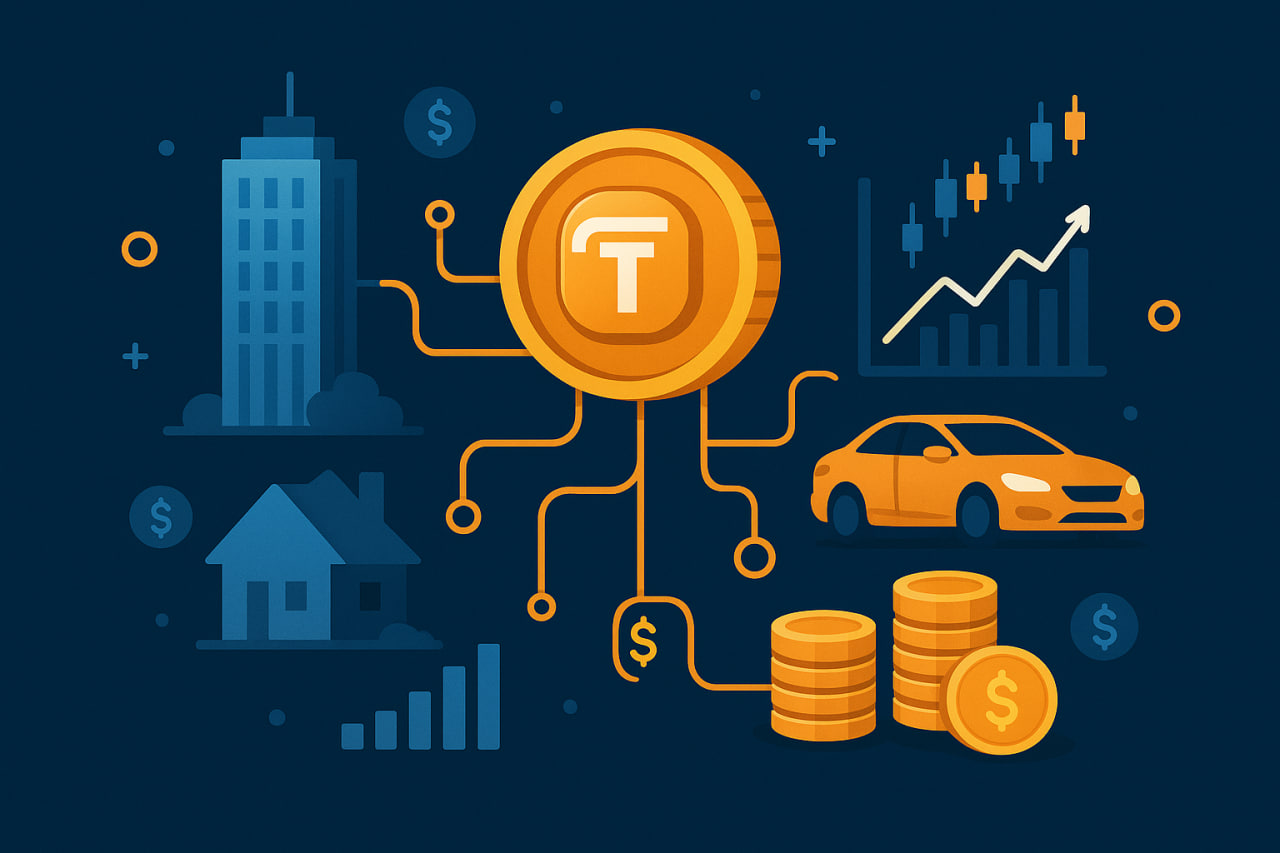
RWA Sector Gains Attention as Blockchain Meets Real Estate
Market analysts are highlighting the potential of blockchain to reshape property markets by creating new opportunities for digital ownership and […] The post RWA Sector Gains Attention as Blockchain M
Related Articles
How to Stake Cardano? ADA Staking Guide for Beginners
Looking to earn passive income with your Cardano holdings? Staking ADA offers a straightforward way to generate rewards while supporting network security. This guide covers everything from basic staki
Lido Staking: Earn ETH Rewards Without Locking Your Assets
Want to earn passive income from your Ethereum holdings without giving up access to your funds?Lido staking solves the biggest problem with traditional ETH staking—locked assets and high entry barrier
How to Store Dogecoin (DOGE) Safely?Practical Wallet Guide & Risk Avoidance Tips
Securing your digital assets is the most critical step after acquiring cryptocurrency. For Dogecoin (DOGE) - a digital currency celebrated for its community-driven approach and ease of use - selecting
USDT Staking: How to Earn Interest on Tether with High APY Rates
Earning passive income from cryptocurrency doesn't always mean riding volatile price swings. USDT staking offers a way to generate returns on your Tether holdings while maintaining the stability of a
