

SNB Swiss Franc Strategy: Decoding the Central Bank’s Critical Tolerance for Strength
BitcoinWorld
SNB Swiss Franc Strategy: Decoding the Central Bank’s Critical Tolerance for Strength
ZURICH, March 2025 – The Swiss National Bank faces mounting scrutiny over its tolerance for Swiss Franc strength as global currency volatility reshapes monetary policy frameworks across developed economies. BNY Mellon’s latest analysis highlights the delicate balance between controlling inflation and maintaining export competitiveness, creating a pivotal moment for CHF valuation. Market participants now closely monitor SNB communications for signals about potential intervention thresholds, especially given the Franc’s traditional safe-haven status during geopolitical uncertainty.
SNB Swiss Franc Policy in Historical Context
The Swiss National Bank maintains a unique position among global central banks. Historically, the institution has actively managed currency valuation through direct intervention. For instance, the bank famously implemented a minimum exchange rate floor of 1.20 francs per euro from 2011 to 2015. This policy aimed specifically to curb excessive CHF appreciation during the European debt crisis. Consequently, the SNB developed substantial foreign currency reserves exceeding 900 billion francs.
Currently, the bank operates under a dual mandate focusing on price stability while considering economic developments. The official inflation target remains below 2% annually, a threshold consistently met in recent quarters. However, imported disinflation from a stronger franc complicates this objective. Meanwhile, Swiss exporters face mounting pressure from currency headwinds, particularly in pharmaceuticals, machinery, and precision instruments.
BNY Mellon’s Analysis of Current Tolerance Levels
BNY Mellon’s foreign exchange strategists recently published a comprehensive assessment of SNB policy parameters. Their research identifies several key factors influencing the bank’s current tolerance for franc strength. First, domestic inflation remains well-contained at 1.4% year-over-year. Second, the Swiss economy demonstrates remarkable resilience despite global headwinds. Third, geopolitical tensions continue supporting safe-haven currency flows into CHF.
The analysis suggests the SNB currently operates with a higher tolerance threshold than market participants anticipate. Specifically, BNY strategists note the absence of verbal intervention despite the trade-weighted franc appreciating approximately 6% since late 2024. This passive stance contrasts sharply with previous periods of aggressive currency management. Furthermore, the bank’s quarterly monetary policy assessments have gradually removed language expressing concern about franc overvaluation.
Comparative Central Bank Approaches to Currency Strength
Global central banks employ diverse strategies for managing domestic currency appreciation. The following table illustrates key differences in approach:
| Central Bank | Currency | Primary Tool | Recent Stance |
|---|---|---|---|
| Swiss National Bank | CHF | Direct Intervention & Negative Rates | Increased Tolerance |
| Bank of Japan | JPY | Verbal Intervention & Yield Control | Active Resistance |
| European Central Bank | EUR | Monetary Policy & Forward Guidance | Benign Neglect |
| U.S. Federal Reserve | USD | Interest Rate Policy | Dollar Strength Acceptance |
This comparative framework reveals the SNB’s distinctive position. Unlike the Bank of Japan’s active resistance to yen strength, Swiss authorities demonstrate calculated acceptance. Similarly, the ECB’s benign neglect approach differs from the SNB’s historical willingness to intervene directly. These distinctions highlight Switzerland’s unique economic structure and inflation dynamics.
Economic Impacts of Franc Appreciation
Currency strength creates complex economic effects with both positive and negative consequences. For Swiss consumers and importers, a stronger franc translates directly to increased purchasing power. Imported goods, foreign travel, and cross-border shopping become more affordable. Additionally, lower imported inflation helps the SNB maintain price stability with less restrictive monetary policy.
Conversely, Swiss exporters face significant challenges from currency appreciation. Key sectors experience margin compression when foreign revenue converts back to francs. The watchmaking industry, contributing approximately 1.5% to Swiss GDP, remains particularly vulnerable. Similarly, pharmaceutical companies generating over 60% of revenue abroad must implement sophisticated hedging strategies. Tourism also suffers as Switzerland becomes more expensive for international visitors.
Key economic indicators affected by CHF strength include:
- Trade balance and current account surplus
- Corporate profitability in export sectors
- Tourism revenue and hotel occupancy rates
- Cross-border shopping patterns
- Inflation expectations and wage dynamics
Monetary Policy Tools and Future Scenarios
The SNB maintains several policy instruments for managing currency valuation. First, direct foreign exchange intervention remains the most immediate tool. The bank can purchase foreign currencies to weaken the franc, adding to its already substantial reserves. Second, interest rate policy influences capital flows and currency attractiveness. Third, verbal intervention through policy statements can shape market expectations without actual transactions.
BNY Mellon’s analysis outlines three potential scenarios for SNB action. In the baseline scenario, the bank maintains current tolerance levels unless the trade-weighted franc appreciates beyond 5% from current levels. An alternative scenario involves renewed intervention if Swiss inflation falls significantly below 1%. Finally, a crisis scenario could trigger aggressive action if franc strength threatens financial stability or creates deflationary risks.
Expert Perspectives on Policy Sustainability
Financial economists generally agree the SNB’s increased tolerance reflects structural economic shifts. Switzerland’s current account surplus, exceeding 8% of GDP, provides fundamental support for currency strength. Additionally, the country’s political stability and financial security continue attracting safe-haven flows. These structural factors limit the effectiveness of temporary intervention measures.
Market participants increasingly recognize that sustained franc strength may represent a new equilibrium rather than temporary deviation. Consequently, businesses adapt through productivity improvements and product differentiation. The Swiss manufacturing sector, for example, continues investing in automation and innovation to offset currency disadvantages. This adaptation reduces the economy’s sensitivity to exchange rate fluctuations over time.
Conclusion
The Swiss National Bank demonstrates increased tolerance for franc strength amid evolving global monetary conditions. BNY Mellon’s analysis highlights the careful calibration between inflation control and economic competitiveness. Market participants should monitor SNB communications and inflation data for policy signals. Ultimately, the SNB Swiss Franc strategy reflects Switzerland’s unique position in the global financial system, balancing domestic stability with international integration. The bank’s approach will significantly influence currency markets throughout 2025 and beyond.
FAQs
Q1: What is the SNB’s current policy on Swiss Franc strength?
The Swiss National Bank currently demonstrates increased tolerance for franc appreciation, focusing primarily on price stability while monitoring economic impacts. The bank has reduced verbal intervention despite moderate currency strengthening since late 2024.
Q2: How does CHF strength affect Swiss exporters?
Exporters face margin compression as foreign revenue converts to stronger francs. Key sectors like pharmaceuticals, machinery, and watchmaking implement hedging strategies and productivity improvements to offset currency disadvantages.
Q3: What tools does the SNB use to manage currency valuation?
The bank employs direct foreign exchange intervention, interest rate policy, and verbal guidance through monetary policy statements. Its substantial foreign currency reserves provide significant intervention capacity when necessary.
Q4: Why is the Swiss Franc considered a safe-haven currency?
Switzerland’s political stability, strong institutions, current account surplus, and financial security attract capital during global uncertainty. These structural factors support sustained demand for CHF during market turbulence.
Q5: How does SNB policy compare to other central banks facing currency strength?
The SNB maintains greater willingness for direct intervention compared to the ECB’s benign neglect approach. However, it shows more tolerance than the Bank of Japan’s active resistance to yen appreciation, reflecting Switzerland’s unique economic circumstances.
This post SNB Swiss Franc Strategy: Decoding the Central Bank’s Critical Tolerance for Strength first appeared on BitcoinWorld.
Du kan måske også lide

Tether Backs Ark Labs’ $5.2 Million Bet on Bitcoin’s Stablecoin Revival
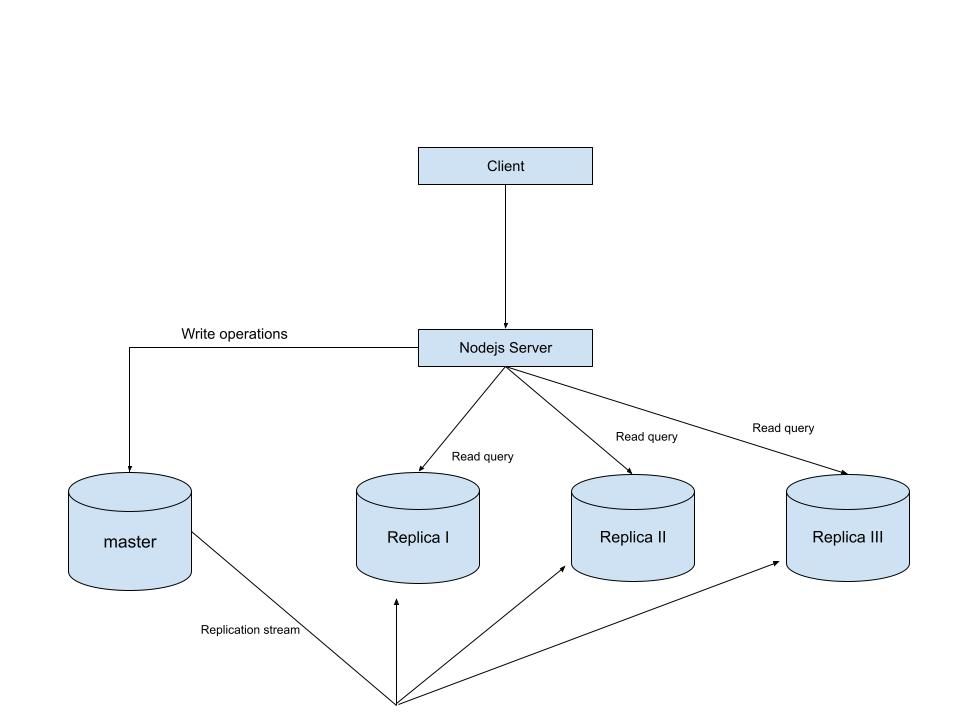
MySQL Single Leader Replication with Node.js and Docker
command: --server-id=1 --log-bin=ON The --server-id option gives each MySQL server in your replication setup its own name tag. Each one has to be unique and without it, replication won’t work at all. Another cool option not included here is binlog_format=ROW. This tells MySQL how to keep track of changes before passing them along to the replicas. By default, MySQL already uses row-based replication, but you can explicitly set it to ROW to be sure or switch it to STATEMENT if you’d rather log the actual SQL statements instead of row-by-row changes. \ Run our containers on docker Now, in the terminal, we can run the following command to spin up our database containers: docker-compose up -d \ Setting Up Our Master (Primary) Server To configure our master server, we would have to first access the running instance on docker using the following command docker exec -it mysql-master bash This command opens an interactive Bash shell inside the running Docker container named mysql-master, allowing us to run commands directly inside that container. \ Now that we’re inside the container, we can access the MySQL server and start running commands. type: mysql -uroot -p This will log you into MySQL as the root user. You’ll be prompted to enter the password you set in your docker-compose.yml file. \ Next, we need to create a special user that our replicas will use to connect to the master server and pull data. Inside the MySQL prompt, run the following commands: \ CREATE USER 'repl_user'@'%' IDENTIFIED BY 'replication_pass'; GRANT REPLICATION SLAVE ON . TO 'repl_user'@'%'; FLUSH PRIVILEGES; Here’s what’s happening: CREATE USER makes a new MySQL user called repl_user with the password replication_pass. GRANT REPLICATION SLAVE gives this user permission to act as a replication client. FLUSH PRIVILEGES tells MySQL to reload the user permissions so they take effect immediately. \ Time to Configure the Replica (Secondary) Servers a. First, let’s access the replica containers the same way we did with the master. Run this command in your terminal for each of the replica containers: \ docker exec -it <replica_container_name> bash mysql -uroot -p <replica_container_name> should be replace with the name of the replica container you are trying to setup b. Now it’s time to tell our replica where to get its data from. While inside the replica’s MySQL shell, run the following command to configure replication using the master’s details: CHANGE REPLICATION SOURCE TO SOURCE_HOST='mysql-master', SOURCE_USER='repl_user', SOURCE_PASSWORD='replication_pass', GET_SOURCE_PUBLIC_KEY=1; With the replication settings in place, let’s fire up the replica and get it syncing with the master. Still inside the MySQL shell on the replica, run: START REPLICA; This starts the replication process. To make sure everything is working, check the replica’s status with:
SHOW REPLICA STATUS\G; Look for Replica_IO_Running and Replica_SQL_Running — if both say Yes, congratulations! 🎉 Your replica is now successfully connected to the master and replicating data in real time.
Testing Our Replication Setup from the Node.js App Now that our replication is successfully set up, we can configure our Node.js server to observe the real-time effect of data being replicated from the master server to the replica server whenever we write to it. We start by installing the following dependencies:
npm i express mysql2 sequelize \ Now create a folder called src in the root directory and add the following files inside that folder connection.js, index.js and model.js. Our current directory should look like this We can now set up our connections to our master and replica server in the connection.js file as shown below
const Sequelize = require("sequelize"); const sequelize = new Sequelize({ dialect: "mysql", replication: { write: { host: "127.0.0.1", username: "root", password: "master", database: "replicaDb", }, read: [ { host: "127.0.0.1", username: "root", password: "slave", database: "replicaDb", port: 3307 }, { host: "127.0.0.1", username: "root", password: "slave", database: "replicaDb", port: 3308 }, { host: "127.0.0.1", username: "root", password: "slave", database: "replicaDb", port: 3309 }, ], }, }); async function connectdb() { try { await sequelize.authenticate(); } catch (error) { console.error("❌ unable to connect to the follower database", error); } } connectdb(); module.exports = { sequelize, }; \ We can now create a User table in the model.js file
const {DataTypes} = require("sequelize"); const { sequelize } = require("./connection"); const User = sequelize.define("User", { name: { type: DataTypes.STRING, allowNull: false, }, email: { type: DataTypes.STRING, unique: true, allowNull: false, }, }); module.exports = User \ and finally in our index.js file we can start our server and listen for connections on port 3000. from the code sample below, all inserts or updates will be routed by sequelize to the master server. while all read queries will be routed to the read replicas.
const express = require("express"); const { sequelize } = require("./connection"); const User = require("./model"); const app = express(); app.use(express.json()); async function main() { await sequelize.sync({ alter: true }); app.get("/", (req, res) => { res.status(200).json({ message: "first step to setting server up", }); }); app.post("/user", async (req, res) => { const { email, name } = req.body; let newUser = await User.build({ name, email, }); // This INSERT will go to the write (master) connection newUser = newUser.save({ returning: false }); res.status(201).json({ message: "User successfully created", }); }); app.get("/user", async (req, res) => { // This SELECT query will go to one of the read replicas const users = await User.findAll(); res.status(200).json(users); }); app.listen(3000, () => { console.log("server has connected"); }); } main(); When you make a POST request to the /users endpoint, take a moment to check both the master and replica servers to observe how data is replicated in real time. Right now, we are relying on Sequelize to automatically route requests, which works for development but isn’t robust enough for a production environment. In particular, if the master node goes down, Sequelize cannot automatically redirect requests to a newly elected leader. In the next part of this series, we’ll explore strategies to handle these challenges
