

CBDC Ban: US Senate Passes Controversial Housing Bill Blocking Digital Dollar Until 2030
BitcoinWorld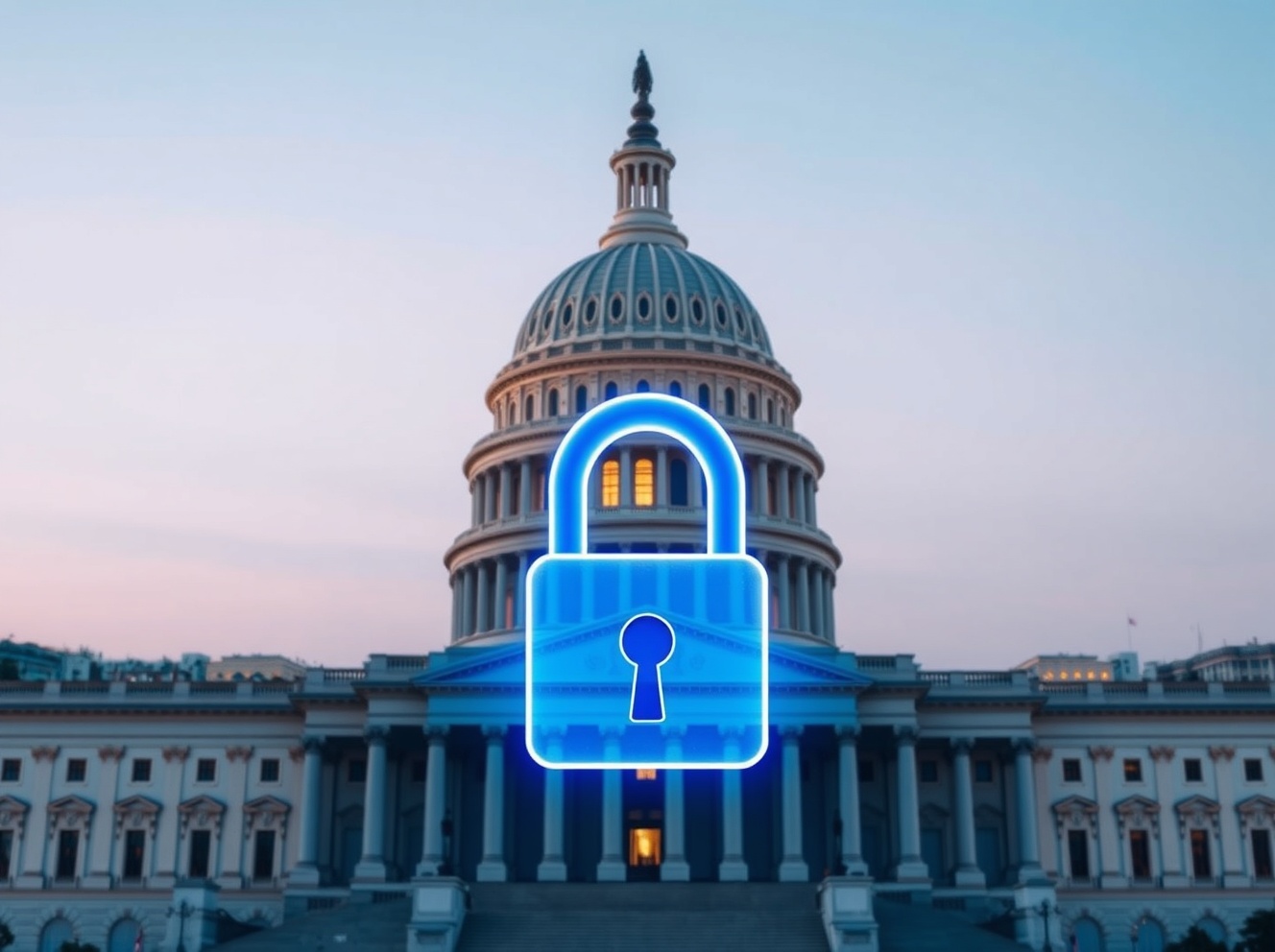
CBDC Ban: US Senate Passes Controversial Housing Bill Blocking Digital Dollar Until 2030
WASHINGTON, D.C. — In a significant legislative move, the United States Senate has passed a comprehensive housing bill containing a provision that would effectively ban the Federal Reserve from issuing a central bank digital currency (CBDC) until at least the end of 2030. This development represents a major milestone in the ongoing national debate about the future of digital currency and government monetary policy.
Senate Passes Housing Bill with CBDC Ban Provision
The Senate approved the housing legislation with overwhelming bipartisan support, though the CBDC provision specifically reflects Republican-led concerns about government-controlled digital currency. According to reports from CoinDesk and verified congressional records, the provision explicitly prohibits the Federal Reserve from issuing “a central bank digital currency, or any digital asset that is substantially similar under any other name or label.” Furthermore, the legislation restricts the Fed from issuing such currency indirectly through financial institutions or intermediaries.
This legislative action comes at a critical juncture in global financial evolution. More than 130 countries are currently exploring CBDCs, with several nations already implementing pilot programs or full-scale digital currencies. The United States has remained in the research and development phase, with the Federal Reserve conducting experiments through its Boston Fed’s Project Hamilton initiative.
Political Dynamics and Legislative Context
The provision’s inclusion in a housing bill represents strategic legislative maneuvering. Housing legislation typically enjoys broader support than standalone digital currency bills, potentially increasing the provision’s chances of becoming law. However, the bill now faces an uncertain future in the House of Representatives, where different political dynamics and committee structures could alter its trajectory.
Republican lawmakers have consistently voiced opposition to a government-led digital dollar, citing concerns about:
- Financial privacy and government surveillance capabilities
- Monetary policy control and potential for programmability
- Banking system disruption and disintermediation risks
- Cybersecurity vulnerabilities in a centralized system
Expert Perspectives on the CBDC Debate
Financial policy experts note that this legislative action reflects deeper philosophical divides about the role of government in digital finance. Dr. Sarah Chen, a monetary policy researcher at Georgetown University, explains, “The Senate’s move represents a precautionary approach to digital currency innovation. While other nations are racing forward with CBDC implementation, the U.S. is taking a more deliberate path that prioritizes existing financial stability over potential innovation benefits.”
The table below illustrates the contrasting approaches to CBDC development among major economies:
| Country/Region | CBDC Status | Implementation Timeline |
|---|---|---|
| China | Pilot expansion | 2020-present |
| European Union | Preparation phase | 2026+ expected |
| United Kingdom | Research & consultation | Undetermined |
| United States | Research with legislative restrictions | 2030+ if approved |
Technical Implications and Federal Reserve Response
The legislation’s language contains specific technical restrictions that would impact the Federal Reserve’s operational capabilities. The provision prohibits not only direct issuance but also indirect issuance through intermediaries, closing potential regulatory loopholes. This comprehensive approach reflects legislative understanding of digital currency architecture and distribution mechanisms.
Federal Reserve officials have maintained a neutral public stance on CBDC development, emphasizing that any decision would require clear congressional authorization. The central bank has continued its research efforts while acknowledging both potential benefits and risks. Potential benefits identified in Fed research include:
- Enhanced payment system efficiency
- Reduced transaction costs for consumers
- Improved financial inclusion for underserved populations
- Strengthened dollar dominance in global finance
Historical Context and Legislative Precedents
This legislative action follows previous congressional efforts to regulate digital currency development. In 2023, several bills were introduced that would have required specific congressional authorization before CBDC issuance. However, none progressed beyond committee stages. The current provision’s attachment to must-pass housing legislation represents a more sophisticated legislative strategy.
The housing bill itself addresses critical issues including affordable housing funding, rental assistance programs, and housing market stabilization measures. The CBDC provision’s inclusion has sparked debate about legislative bundling practices, with some critics arguing that unrelated policy matters should receive standalone consideration.
Market Reactions and Industry Implications
Financial markets have shown limited immediate reaction to the Senate’s action, suggesting that most participants had anticipated continued regulatory uncertainty around digital dollar development. However, cryptocurrency industry representatives have expressed mixed reactions. Some view the legislative restriction as positive for decentralized cryptocurrency development, while others see it as a setback for broader digital currency innovation.
Traditional financial institutions have generally welcomed the measured approach, as it provides regulatory certainty and protects existing banking infrastructure from potential disruption. Banking industry representatives have consistently advocated for careful consideration of CBDC impacts on:
- Deposit stability and bank funding models
- Payment system revenue streams
- Compliance and anti-money laundering frameworks
- Customer relationship dynamics
International Relations and Global Currency Competition
The Senate’s action occurs against a backdrop of intensifying global currency competition. China’s digital yuan development has progressed significantly, with pilot programs expanding to multiple cities and international payment applications. European central banks are advancing their digital euro project, while several smaller nations have already launched operational CBDCs.
International monetary experts note that delayed U.S. action could impact the dollar’s global reserve currency status in the long term. Dr. Michael Rodriguez, a former IMF economist, observes, “The digital transformation of currency represents the next frontier in monetary competition. While immediate impacts may be limited, prolonged U.S. hesitation could create opportunities for alternative digital currencies to gain traction in cross-border transactions and reserve holdings.”
Constitutional and Legal Considerations
The legislation raises important constitutional questions about monetary authority. The U.S. Constitution grants Congress power “to coin money, regulate the value thereof,” creating potential jurisdictional questions about digital currency issuance. Legal scholars are divided on whether existing constitutional provisions adequately address digital currency or whether new frameworks might be necessary.
Additionally, the legislation’s 2030 sunset provision creates a natural review point for future Congresses. This temporal limitation represents a compromise between immediate prohibition and permanent restriction, allowing for reconsideration as technology and international developments evolve.
Technological Development and Research Continuity
Importantly, the legislation does not prohibit continued research and development activities. The Federal Reserve can maintain its technological exploration and public consultation processes. This distinction between development and deployment reflects legislative recognition of the need for ongoing preparedness, even while restricting actual implementation.
Private sector innovation in digital currency and payment systems continues unaffected by the legislation. Stablecoin development, blockchain payment networks, and other fintech innovations proceed under existing regulatory frameworks. This creates a potential scenario where private digital dollar alternatives might develop during the prohibition period.
Conclusion
The Senate’s passage of housing legislation containing a CBDC ban provision represents a pivotal moment in U.S. digital currency policy. This action reflects deep-seated concerns about government-controlled digital currency while acknowledging the importance of continued research. The legislation now moves to the House of Representatives, where its fate remains uncertain. Regardless of the ultimate outcome, this development underscores the complex interplay between technological innovation, financial regulation, and legislative policymaking in the digital age. The CBDC debate will undoubtedly continue as technology evolves and international developments progress, ensuring that this issue remains at the forefront of financial policy discussions for years to come.
FAQs
Q1: What exactly does the Senate bill prohibit regarding CBDCs?
The legislation prohibits the Federal Reserve from issuing a central bank digital currency or any substantially similar digital asset until at least December 31, 2030. It also bans indirect issuance through financial institutions or intermediaries.
Q2: Can the Federal Reserve continue researching CBDCs under this legislation?
Yes, the legislation specifically allows continued research, development, and testing of CBDC technology. The prohibition applies only to actual issuance and deployment.
Q3: How does this affect existing cryptocurrencies like Bitcoin and Ethereum?
The legislation does not directly affect existing decentralized cryptocurrencies. It specifically addresses government-issued digital currency, not private digital assets.
Q4: What happens if the House of Representatives doesn’t pass the bill?
If the House doesn’t pass the bill, the CBDC prohibition provision won’t become law. The Senate would need to pursue alternative legislative pathways for any CBDC restrictions.
Q5: Why attach a CBDC provision to a housing bill?
Legislators often attach provisions to must-pass legislation to increase their chances of enactment. Housing bills typically have broader support than standalone digital currency legislation.
Q6: Does this legislation affect other countries’ CBDC development?
No, this legislation applies only to United States institutions. Other countries continue their CBDC development independently, though U.S. policy decisions may influence global discussions.
This post CBDC Ban: US Senate Passes Controversial Housing Bill Blocking Digital Dollar Until 2030 first appeared on BitcoinWorld.
Mohlo by se vám také líbit

Strategy (MSTR) Bought Over 4,000 Bitcoin Today Via STRC
FCA, crackdown on crypto: Consumer Duty and custody rules

Stricter MiCA rules could thin crypto industry across the EU, says Swiss wealth manager
Copy linkX (Twitter)LinkedInFacebookEmail