

NYSE Debuts 24/7 Tokenized Stocks Platform
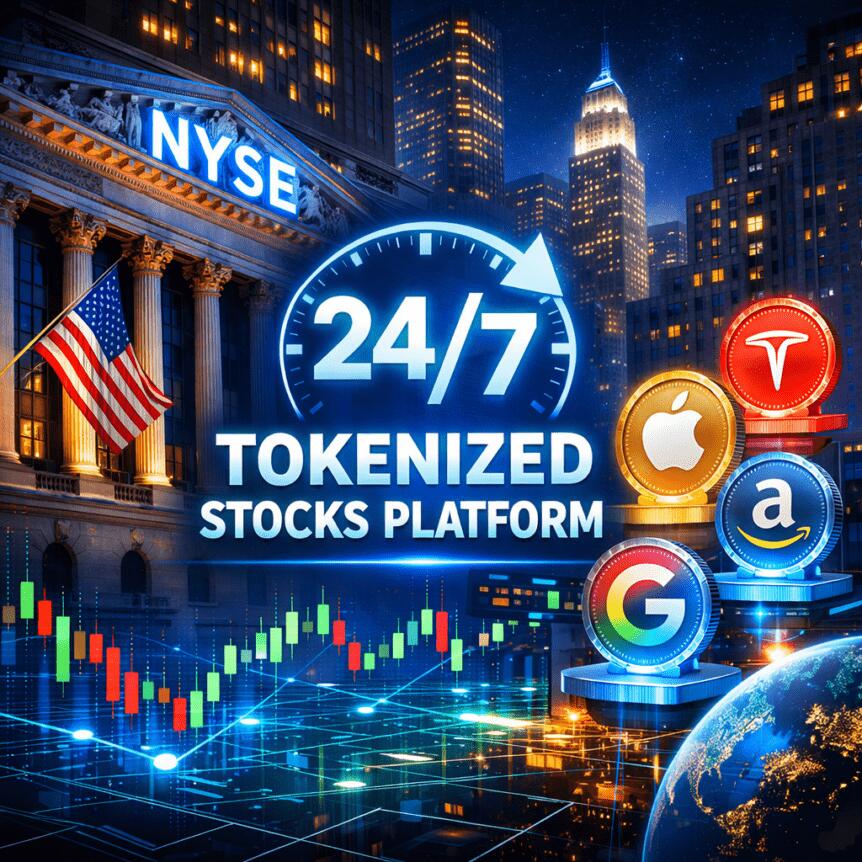
Introduction: Financial markets are exploring blockchain-enabled settlement as the NYSE advances a platform to trade tokenized stocks and ETFs. Backed by ICE, the project would fuse a 24/7 trading regime with near-instant settlement, marrying a traditional matching engine with blockchain-backed post-trade processing. If regulators sign off, the venue could enable real-time funding and settlement via stablecoins, expanding access to digital representations of conventional equities.
Key Takeaways
- 24/7 trading and real-time settlement are central to the proposed platform, leveraging a hybrid of established matching engines and blockchain settlement layers.
- Tokenized securities would be minted on-chain, offering fractional ownership and continuous market access beyond standard trading hours.
- ICE’s digital strategy aims to modernize clearing and settlement infrastructure, with potential integration of tokenized collateral to support faster, on-chain workflows.
- Collaborations with major banks are underway to enable tokenized deposits across clearinghouses, enabling capital movement outside traditional business hours.
Tickers mentioned: None
Sentiment: Neutral
Price impact: Neutral. The move centers on infrastructure and regulatory clearance rather than immediate price action.
Trading idea (Not Financial Advice): Hold. The project represents a strategic shift toward on-chain market infrastructure, but regulatory risk and implementation timelines will be decisive.
Market context: The push toward on-chain settlement aligns with broader institutional interest in tokenization and 24/7 access to digital representations of traditional assets amid rising demand for more flexible liquidity tools.
NYSE seeks “fully onchain” solutions for settlement, trading infrastructure
The tokenized securities platform is a pillar of ICE’s broader digital strategy, which envisions clearing infrastructure that supports continuous trading and the potential integration of tokenized collateral. In practical terms, the NYSE would operate a new trading venue for digital assets tied to traditional stocks and ETFs, underpinned by a blockchain-based post-trade ecosystem.
The project is designed to enable real-time settlement and funding, potentially using stablecoins, rather than the current one-day (T+1) settlement cycle characteristic of U.S. equity markets. Tokenized stocks are shares of ordinary company stocks minted on a blockchain ledger, granting investors round-the-clock access and the possibility of fractional ownership, thereby broadening participation and liquidity.
Beyond the technology itself, the NYSE has previously signaled a desire to extend trading hours. In late 2024, it indicated efforts to push the weekday window toward a longer trading day, up to 22 hours, to address global demand for U.S. equities. In October 2024, the exchange filed with the U.S. Securities and Exchange Commission to seek approval for extended hours, underscoring the ongoing regulatory considerations surrounding longer market access. Separately, Nasdaq has also floated plans for 24-hour trading on weekdays, reflecting a broader industry push toward around-the-clock trading.
The tokenized securities platform sits at the intersection of ICE’s wider digital ambitions. The plan envisions not only trading but also clearing and custody workflows that are native to an on-chain environment. By weaving together Pillar’s matching capabilities with blockchain-based post-trade processing, ICE aims to offer a seamless on-chain experience for market participants. The initiative would ideally accommodate cross-chain custody and settlement, providing the technical backbone for a more resilient, 24/7 ecosystem.
ICE’s stance is that tokenized markets could reduce settlement risk and increase operational resilience by anchoring settlement in blockchain-native infrastructure. The company is actively engaging banks to support tokenized deposits across its clearinghouses, allowing members to manage money outside standard banking hours and enhancing liquidity provisioning in a more flexible framework. In support of this effort, ICE notes that it operates six clearing houses around the world—including major energy clearing and credit derivative platforms—placing it in a unique position to pilot end-to-end on-chain settlement at scale.
“We are leading the industry toward fully on-chain solutions, grounded in the unmatched protections and high regulatory standards that position us to marry trust with state-of-the-art technology,” said Lynn Martin, president of NYSE Group. This vision is reinforced by executives who describe tokenized securities as a pivotal step in ICE’s strategy to build on-chain market infrastructure for trading, settlement, custody, and capital formation in a new era of global finance.
This article was originally published as NYSE Debuts 24/7 Tokenized Stocks Platform on Crypto Breaking News – your trusted source for crypto news, Bitcoin news, and blockchain updates.


You May Also Like
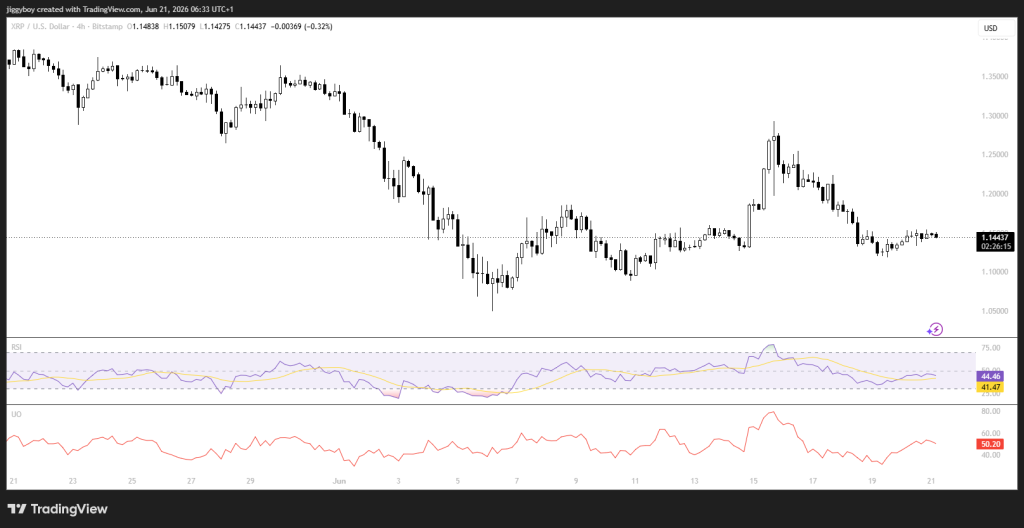
Crypto Price Prediction for Today, June 21: XRP, Ethereum (ETH), Monero (XMR)
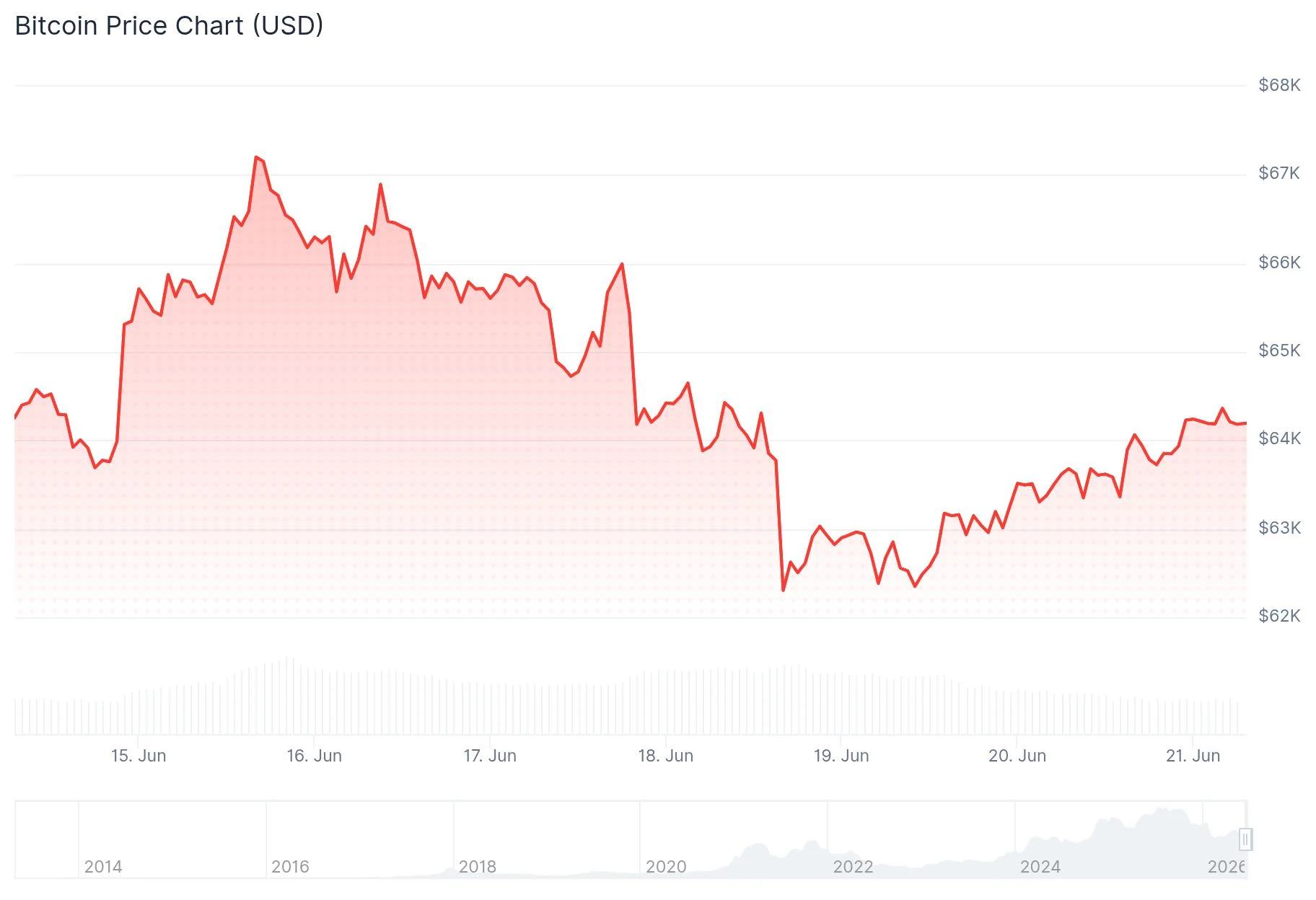
Bitcoin (BTC) Reclaims $64K Amid Switzerland Diplomacy — Critical Levels Ahead

Japan pension fund plans 1% crypto allocation in FY2026



