Firelight has crossed 50 million staked XRP on Flare Network, marking a significant step in XRP's expansion into decentralized finance. Here's what the protocolFirelight has crossed 50 million staked XRP on Flare Network, marking a significant step in XRP's expansion into decentralized finance. Here's what the protocol

Firelight Tops 50M Staked XRP on Flare, Eyes Deeper DeFi Push

2026/03/29 02:57
4 min di lettura
Per feedback o dubbi su questo contenuto, contattateci all'indirizzo crypto.news@mexc.com.

Firelight has crossed 50 million staked XRP on Flare Network, marking the protocol’s fastest growth milestone since launch and signaling rising demand for DeFi utility among XRP holders.

The protocol, which enables XRP holders to stake their tokens and access decentralized finance strategies through Flare’s smart contract infrastructure, reached the 50 million XRP threshold after its initial 25 million FXRP deposit cap was filled within six hours of going live.

Following that rapid uptake, Firelight raised its deposit cap to 65 million FXRP, which is already more than halfway subscribed. Multiple single deposits exceeding 1 million XRP each point to institutional-scale participation alongside retail stakers.

Firelight Crosses the 50 Million XRP Staking Milestone on Flare

Firelight operates as a staking and DeFi cover protocol built on Flare, the Layer 1 blockchain designed for cross-chain data. XRP, historically confined to payments and exchange trading, has had limited access to the yield and lending tools available on chains like Ethereum or Solana.

Flare’s FAssets bridge wraps XRP into FXRP, making it compatible with smart contracts. Stakers receive stXRP, a liquid staking token that represents their position while the underlying XRP is deployed across onchain yield strategies.

Source: @FlareNetworks on X

Security infrastructure backs the protocol’s rapid growth. Firelight’s vaults have been audited by OpenZeppelin and Coinspect, and the FAssets bridge has also completed independent security reviews.

What Bringing XRP Into DeFi Actually Means for Holders

The 50 million XRP milestone matters because it represents a shift in how XRP capital is being used. Rather than sitting idle on exchanges or in cold wallets, that capital is now generating yield through Flare’s DeFi infrastructure.

Firelight’s protocol TVL stands at approximately $72.5 million, making it a significant contributor to Flare’s total chain TVL of roughly $359 million. That positions Flare around 18th among all blockchains by locked value.
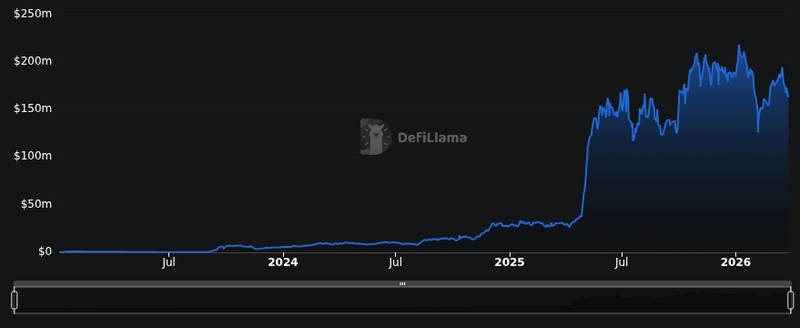
DefiLlama chain tvl chart for Firelight pushes XRP into DeFi cover as staked total tops 50M - Firelight topped 50 million staked XRP on Flare and plan...DefiLlama DeFi dashboard used to support the liquidity and protocol-activity discussion for xrp.

The timing adds context. DeFi exploit losses reached $137 million in Q1 2026, including a $23 million stablecoin exploit caused by a private key leak. That backdrop creates a concrete demand case for DeFi protection products, which is exactly what Firelight’s Phase 2 aims to deliver.

XRP itself trades at $1.35 with a market cap of $82.54 billion, ranking fifth among all cryptocurrencies. The token is down significantly from its all-time high of $3.65 reached in July 2025, and the broader market sits at an Extreme Fear reading of 12 on the Fear & Greed Index, similar to the kind of macro-driven uncertainty that has weighed on crypto markets in recent weeks.

Firelight’s Next Steps as the Flare DeFi Ecosystem Builds Out

Phase 2 of Firelight, planned for Q2 2026, will introduce a full DeFi cover mechanism. This layer will allow other protocols to purchase protection backed by the staked XRP pool, covering smart contract failures, oracle issues, bridge exploits, and economic vulnerabilities.

That makes Firelight more than a staking product. It positions staked XRP as collateral backing a DeFi insurance market, a model that could attract protocols looking for protection after the $137 million in Q1 exploit losses demonstrated how costly uninsured vulnerabilities remain.
Token Terminal project overview card for Firelight pushes XRP into DeFi cover as staked total tops 50M - Firelight topped 50 million staked XRP on Flare and plan...Token Terminal project-metrics panel referenced in the fundamentals section on xrp.

The protocol’s incubator, Sentora, formed through the merger of IntoTheBlock and Trident Digital, raised $25 million in Series A funding backed by Ripple, Flare, and New Form Capital. Ripple’s involvement as both XRP issuer and Sentora backer aligns with XRP’s post-SEC settlement push into institutional DeFi products, a trend also visible in moves like Goldman Sachs’ $152 million XRP ETF position.

Whether Firelight can convert its staking momentum into a functioning DeFi insurance market will depend on Phase 2 execution. The deposit cap still has room at 65 million FXRP, and the protocol’s audited vault infrastructure and institutional-grade backers give it a credible foundation. But with the broader crypto market in Extreme Fear territory and high-profile failures still shaking confidence, the real test will be whether protocols trust a new entrant to underwrite their risk.

Disclaimer: This article is for informational purposes only and does not constitute financial or investment advice. Cryptocurrency and digital asset markets carry significant risk. Always do your own research before making decisions.

Opportunità di mercato
Logo XRP
Valore XRP (XRP)
$1.3395
$1.3395$1.3395
-1.01%
USD
Grafico dei prezzi in tempo reale di XRP (XRP)
Disclaimer: gli articoli ripubblicati su questo sito provengono da piattaforme pubbliche e sono forniti esclusivamente a scopo informativo. Non riflettono necessariamente le opinioni di MEXC. Tutti i diritti rimangono agli autori originali. Se ritieni che un contenuto violi i diritti di terze parti, contatta crypto.news@mexc.com per la rimozione. MEXC non fornisce alcuna garanzia in merito all'accuratezza, completezza o tempestività del contenuto e non è responsabile per eventuali azioni intraprese sulla base delle informazioni fornite. Il contenuto non costituisce consulenza finanziaria, legale o professionale di altro tipo, né deve essere considerato una raccomandazione o un'approvazione da parte di MEXC.

Potrebbe anche piacerti

Crypto Real Estate Hedge: Eric Trump Unlocks a Revolutionary Strategy

Crypto Real Estate Hedge: Eric Trump Unlocks a Revolutionary Strategy

BitcoinWorld Crypto Real Estate Hedge: Eric Trump Unlocks a Revolutionary Strategy In the dynamic world of finance, investors constantly seek innovative ways to safeguard and grow their wealth. Recently, Eric Trump, a prominent figure in real estate and business, made a notable statement that has captured significant attention: he believes a crypto real estate hedge is the perfect solution for protecting property assets. This perspective opens up a fascinating discussion about the evolving relationship between traditional investments and the burgeoning digital asset space. What Exactly is a Crypto Real Estate Hedge? When we talk about a crypto real estate hedge, we are referring to the strategy of using cryptocurrency investments to offset potential risks or volatility in a real estate portfolio. Think of it as diversifying your financial safety net. Historically, investors have used various assets like gold, bonds, or different market sectors to hedge against downturns in other areas. Cryptocurrency, with its unique characteristics, presents a fresh option for this strategy. Its often uncorrelated price movements relative to traditional markets can provide a valuable counterweight during economic shifts. This approach isn’t about replacing real estate, but rather enhancing its resilience through strategic digital asset allocation. Why Consider Crypto for Your Property Portfolio? The idea of integrating cryptocurrency into a real estate strategy might seem unconventional at first, but several compelling reasons support it: Diversification: Cryptocurrencies often operate independently of traditional financial markets. This lack of correlation can reduce overall portfolio risk, making it a strong diversification tool. Inflation Protection: Some cryptocurrencies, particularly Bitcoin, are seen by many as a hedge against inflation due to their finite supply. As fiat currencies lose purchasing power, a strong digital asset might retain or even increase in value. Liquidity: While real estate is a long-term, illiquid asset, cryptocurrencies offer high liquidity. You can convert them to cash relatively quickly, providing access to funds when needed. Accessibility: Digital assets are globally accessible, allowing investors to participate in a market that transcends geographical boundaries and traditional banking hours. Eric Trump’s endorsement underscores a growing recognition of these benefits among seasoned investors. He sees it as a forward-thinking move to secure wealth in an unpredictable economic climate. Navigating the Challenges of a Crypto Real Estate Hedge While the potential benefits are clear, adopting a crypto real estate hedge strategy is not without its challenges. The cryptocurrency market is known for its volatility, with prices often experiencing dramatic swings. This inherent risk requires a cautious and informed approach. Moreover, the regulatory landscape for cryptocurrencies is still evolving. Different countries and jurisdictions have varying rules, which can impact how digital assets are taxed and managed. Investors must also contend with the technical aspects of securely storing and managing their crypto holdings. Understanding wallet security, exchange reliability, and potential cyber threats is paramount. Therefore, thorough research and a clear understanding of your risk tolerance are essential before integrating crypto into your investment strategy. Actionable Insights for Property Investors For real estate investors considering a crypto real estate hedge, here are some actionable steps: Start Small: Begin with a modest allocation to cryptocurrencies that aligns with your overall investment goals and risk profile. You do not need to commit a large portion of your assets initially. Educate Yourself: Learn about different cryptocurrencies, blockchain technology, and market dynamics. Understanding the fundamentals is key to making informed decisions. Choose Wisely: Focus on established cryptocurrencies with strong fundamentals and a proven track record, such as Bitcoin or Ethereum, rather than highly speculative altcoins. Prioritize Security: Use reputable exchanges and secure storage solutions (like hardware wallets) for your digital assets. Two-factor authentication is a must. Consult Experts: Speak with financial advisors who understand both real estate and cryptocurrency markets. They can help tailor a strategy that suits your individual needs. This strategic integration can provide a robust layer of protection, especially during periods of economic uncertainty. It represents a modern approach to asset management, blending traditional stability with digital innovation. The Future of Asset Protection: A Compelling Summary Eric Trump’s statement about cryptocurrency being a perfect hedge for real estate assets highlights a significant shift in investment thinking. The concept of a crypto real estate hedge is gaining traction as investors seek resilient strategies in an increasingly interconnected and volatile global economy. While challenges exist, the potential for diversification, inflation protection, and enhanced liquidity makes cryptocurrency a compelling consideration for safeguarding and growing wealth. As the digital asset landscape matures, its role in traditional investment portfolios is likely to expand, offering innovative solutions for asset protection and growth. Embracing this forward-thinking approach could be a key differentiator for investors looking to future-proof their wealth. Frequently Asked Questions (FAQs) 1. What does ‘hedge’ mean in the context of a crypto real estate hedge? A hedge is an investment made to reduce the risk of adverse price movements in an asset. In this case, a crypto real estate hedge uses cryptocurrency to protect against potential declines or volatility in real estate values. 2. Is cryptocurrency a stable investment for hedging? Cryptocurrency is known for its volatility. However, its often uncorrelated price movements with traditional assets like real estate can make it an effective hedge, providing diversification even with its inherent risks. The key is strategic allocation and understanding. 3. Which cryptocurrencies are best for a real estate hedge? While any cryptocurrency could theoretically be used, investors typically consider larger, more established assets like Bitcoin (BTC) or Ethereum (ETH) due to their higher liquidity and broader adoption. These are generally considered less volatile than newer, smaller altcoins. 4. How much crypto should I allocate for a real estate hedge? The ideal allocation depends on your individual risk tolerance, overall portfolio size, and financial goals. Many financial advisors suggest starting with a small percentage, perhaps 1-5% of your total portfolio, and adjusting as you gain more understanding and comfort with the asset class. 5. What are the tax implications of using crypto as a hedge? Tax implications for cryptocurrency vary significantly by jurisdiction. Generally, capital gains from selling crypto are taxable, and some countries also tax crypto income or even certain transactions. It is crucial to consult with a tax professional familiar with cryptocurrency regulations in your region. Did you find this article insightful? Share it with your network and spark a conversation about the future of investment strategies! To learn more about the latest crypto market trends, explore our article on key developments shaping Bitcoin institutional adoption. This post Crypto Real Estate Hedge: Eric Trump Unlocks a Revolutionary Strategy first appeared on BitcoinWorld.
Condividi
Coinstats2025/09/18 01:30
Stablecoin Sector Smashes Past the $290 Billion Milestone

Stablecoin Sector Smashes Past the $290 Billion Milestone

On Wednesday, the stablecoin market cracked into uncharted territory, vaulting past the $290 billion mark for the first time ever after padding its coffers with more than $4 billion in fresh capital over the past week. From USDT to RLUSD, Every Fiat-Pegged Token Joins the $290B Stablecoin Party Stablecoins are stealing the spotlight, complete with […]
Condividi
Coinstats2025/09/18 01:30
Coinbase Joins Ethereum Foundation to Back Open Intents Framework

Coinbase Joins Ethereum Foundation to Back Open Intents Framework

Coinbase Payments has joined the Open Intents Framework as a core contributor, working alongside Ethereum Foundation and other major players. The initiative aims to simplify complex multi-chain interactions through automated solver technology. The post Coinbase Joins Ethereum Foundation to Back Open Intents Framework appeared first on Coinspeaker.
Condividi
Coinspeaker2025/09/18 02:43