

XRP Gains Ground in Corporate Treasuries as Institutional Demand Surges
XRP is surging into corporate balance sheets as landmark regulatory clarity ignites global adoption, driving massive treasury commitments and signaling a powerful shift in institutional crypto strategy.
Corporate Giants Accelerate XRP Adoption Amid Landmark Regulatory Clarity
Amina Bank published its latest Crypto Market Monitor report on Aug. 8, detailing the rise of crypto treasury companies and a shift in corporate finance. Based in Zug, Switzerland, Amina Bank is a licensed bank and securities dealer regulated by the Swiss Financial Market Supervisory Authority (FINMA). In June 2025, Amina became the first bank to support stablecoin Ripple USD (RLUSD).
The bank’s report highlights how XRP has emerged as a notable addition to corporate balance sheets, stating:
Interest in the token accelerated after Ripple’s partial U.S. court victory clarified that XRP is not a security in certain contexts, the bank explained, adding that over the past year, XRP’s price has surged by more than 480%, prompting public companies to announce more than $980 million in planned purchases. This development reflects a diversification away from bitcoin and ethereum toward assets that combine operational use cases with potential yield generation.
A number of companies have adopted an XRP treasury strategy. Nature’s Miracle Holdings, a U.S.-based agricultural technology firm, disclosed plans to allocate up to $20 million into XRP. Nasdaq-listed Vivopower International raised $121 million to establish an XRP reserve, aiming to become the first publicly traded company dedicated to the token.
Such moves illustrate the broadening adoption that Amina highlighted:
XRP’s appeal lies in its liquidity, payment network integration, and alignment with institutional transaction needs.
While adoption is expanding, Amina cautioned that XRP treasury strategies still face risks from market volatility, potential impairment charges, and dependence on capital raises. Supporters argue that its payment network integration provides tangible value beyond speculative holding. In a significant boost to market confidence, Ripple and the U.S. Securities and Exchange Commission (SEC) have officially ended their long-running legal battle, with both parties withdrawing appeals. This cements a court ruling that XRP is not a security when sold on exchanges to retail investors, removing a major regulatory overhang and potentially paving the way for greater institutional adoption and new offerings such as exchange-traded funds (ETFs).


Potrebbe anche piacerti
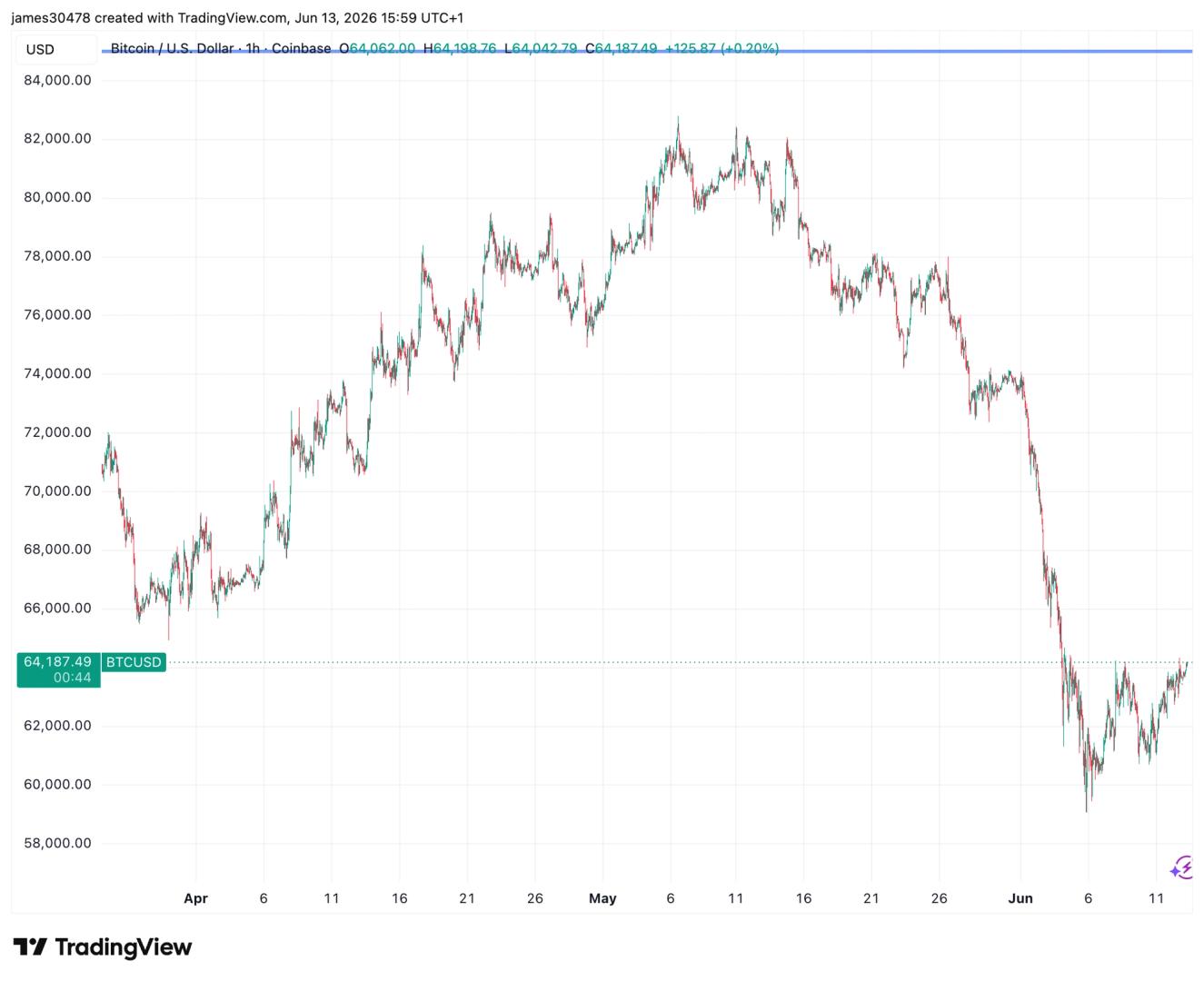
Bitcoin rises above $64,000 after Pakistan prime minister says Iran peace deal is near

Coinbase And Ethena Launch High Yield USDC Vault Powered By Morpho

Best Stablecoins Compared by Safety, Yield, Liquidity and Risk


Notizie di tendenza
Altro
