United States prosecutors in the Southern District of New York on December 5, 2025, recommended a 12-year prison sentence for Do Kwon, co-founder of Terraform Labs. This follows a plea agreement that limits potential punishment to 12 years despite serious charges that could carry up to 25 years. Kwon’s actions contributed to the collapse of the TerraUSD (UST) stablecoin and the Luna token, resulting in a $40 billion loss and chaos in the crypto market. He was arrested in Montenegro in 2023 for using fake travel documents and later extradited to the U.S. The Fraud and Guilty Plea Terraform Labs promoted TerraUSD as a new type of stablecoin that would automatically maintain its $1 value. However, prosecutors showed that Kwon secretly bought large amounts of tokens in 2021 to create the illusion of stability. He hid important risks from investors while claiming the system was safe and decentralized. In May 2022, confidence dropped, and UST lost its $1 value, causing Luna to lose more than 99% of its worth. However, during a plea hearing on August 12, 2025, Kwon pleaded guilty to two felony counts: conspiracy to commit wire fraud and wire fraud. In a candid admission, he stated: “I knowingly agreed with others to defraud, and did in fact defraud, purchasers of cryptocurrencies issued by my company, Terraform Labs. What I did was wrong, and I want to apologize for my conduct. I take full responsibility.” This guilty plea limited his maximum prison time to 12 years, even though the law allowed for up to 25 years.  Dispute in the Sentencing  Defense lawyers requested a sentence of no more than five years for Kwon, citing nearly three years spent in harsh conditions in Montenegro and arguing his actions were motivated by pride rather than greed. In contrast, prosecutors seek a full 12-year sentence to deter future crypto fraud and highlight the crime’s seriousness. They highlighted that Kwon tried to escape justice by using fake passports after the crash. Kwon has agreed to pay $19.3 million, return some of the properties, and compensate the victims. According to the plea deal, he will be sent to South Korea after serving half of his sentence. Meanwhile, South Korean prosecutors are seeking up to 40 years in prison for related charges, including breaking capital market laws. The SEC has already secured a $420 million civil fraud judgment against Kwon and Terraform. U.S. District Judge Paul Engelmayer will decide Kwon’s final sentence next week. The post US Prosecutors Seek 12-Year Sentence for Terraform Labs’ Do Kwon appeared first on CoinTab News.United States prosecutors in the Southern District of New York on December 5, 2025, recommended a 12-year prison sentence for Do Kwon, co-founder of Terraform Labs. This follows a plea agreement that limits potential punishment to 12 years despite serious charges that could carry up to 25 years. Kwon’s actions contributed to the collapse of the TerraUSD (UST) stablecoin and the Luna token, resulting in a $40 billion loss and chaos in the crypto market. He was arrested in Montenegro in 2023 for using fake travel documents and later extradited to the U.S. The Fraud and Guilty Plea Terraform Labs promoted TerraUSD as a new type of stablecoin that would automatically maintain its $1 value. However, prosecutors showed that Kwon secretly bought large amounts of tokens in 2021 to create the illusion of stability. He hid important risks from investors while claiming the system was safe and decentralized. In May 2022, confidence dropped, and UST lost its $1 value, causing Luna to lose more than 99% of its worth. However, during a plea hearing on August 12, 2025, Kwon pleaded guilty to two felony counts: conspiracy to commit wire fraud and wire fraud. In a candid admission, he stated: “I knowingly agreed with others to defraud, and did in fact defraud, purchasers of cryptocurrencies issued by my company, Terraform Labs. What I did was wrong, and I want to apologize for my conduct. I take full responsibility.” This guilty plea limited his maximum prison time to 12 years, even though the law allowed for up to 25 years.  Dispute in the Sentencing  Defense lawyers requested a sentence of no more than five years for Kwon, citing nearly three years spent in harsh conditions in Montenegro and arguing his actions were motivated by pride rather than greed. In contrast, prosecutors seek a full 12-year sentence to deter future crypto fraud and highlight the crime’s seriousness. They highlighted that Kwon tried to escape justice by using fake passports after the crash. Kwon has agreed to pay $19.3 million, return some of the properties, and compensate the victims. According to the plea deal, he will be sent to South Korea after serving half of his sentence. Meanwhile, South Korean prosecutors are seeking up to 40 years in prison for related charges, including breaking capital market laws. The SEC has already secured a $420 million civil fraud judgment against Kwon and Terraform. U.S. District Judge Paul Engelmayer will decide Kwon’s final sentence next week. The post US Prosecutors Seek 12-Year Sentence for Terraform Labs’ Do Kwon appeared first on CoinTab News.

US Prosecutors Seek 12-Year Sentence for Terraform Labs’ Do Kwon
2025/12/06 04:03

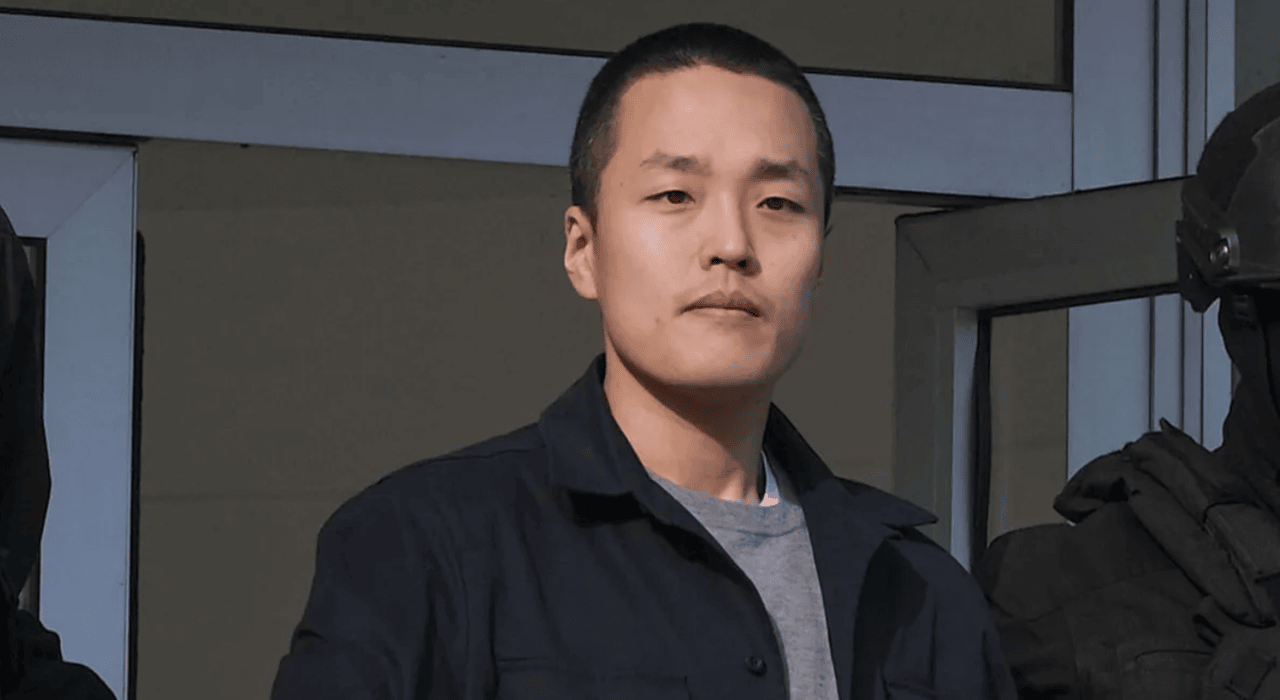
United States prosecutors in the Southern District of New York on December 5, 2025, recommended a 12-year prison sentence for Do Kwon, co-founder of Terraform Labs.

This follows a plea agreement that limits potential punishment to 12 years despite serious charges that could carry up to 25 years.

Kwon’s actions contributed to the collapse of the TerraUSD (UST) stablecoin and the Luna token, resulting in a $40 billion loss and chaos in the crypto market. He was arrested in Montenegro in 2023 for using fake travel documents and later extradited to the U.S.

The Fraud and Guilty Plea

Terraform Labs promoted TerraUSD as a new type of stablecoin that would automatically maintain its $1 value. However, prosecutors showed that Kwon secretly bought large amounts of tokens in 2021 to create the illusion of stability. He hid important risks from investors while claiming the system was safe and decentralized.

In May 2022, confidence dropped, and UST lost its $1 value, causing Luna to lose more than 99% of its worth. However, during a plea hearing on August 12, 2025, Kwon pleaded guilty to two felony counts: conspiracy to commit wire fraud and wire fraud. In a candid admission, he stated:

This guilty plea limited his maximum prison time to 12 years, even though the law allowed for up to 25 years. 

Dispute in the Sentencing 

Defense lawyers requested a sentence of no more than five years for Kwon, citing nearly three years spent in harsh conditions in Montenegro and arguing his actions were motivated by pride rather than greed. In contrast, prosecutors seek a full 12-year sentence to deter future crypto fraud and highlight the crime’s seriousness.

They highlighted that Kwon tried to escape justice by using fake passports after the crash. Kwon has agreed to pay $19.3 million, return some of the properties, and compensate the victims. According to the plea deal, he will be sent to South Korea after serving half of his sentence.

Meanwhile, South Korean prosecutors are seeking up to 40 years in prison for related charges, including breaking capital market laws. The SEC has already secured a $420 million civil fraud judgment against Kwon and Terraform. U.S. District Judge Paul Engelmayer will decide Kwon’s final sentence next week.

The post US Prosecutors Seek 12-Year Sentence for Terraform Labs’ Do Kwon appeared first on CoinTab News.

Disclaimer: The articles reposted on this site are sourced from public platforms and are provided for informational purposes only. They do not necessarily reflect the views of MEXC. All rights remain with the original authors. If you believe any content infringes on third-party rights, please contact service@support.mexc.com for removal. MEXC makes no guarantees regarding the accuracy, completeness, or timeliness of the content and is not responsible for any actions taken based on the information provided. The content does not constitute financial, legal, or other professional advice, nor should it be considered a recommendation or endorsement by MEXC.

You May Also Like

Major Banks Rush to Get Crypto Charters in 2025

Major Banks Rush to Get Crypto Charters in 2025

The post Major Banks Rush to Get Crypto Charters in 2025 appeared on BitcoinEthereumNews.com. Key Highlights In the latest statement, the OCC revealed a major development that approves new federally chartered banks This might open the door for crypto and fintech companies to become regulated institutions An OCC official has raised his support for the authority of existing trust banks to hold digital assets for clients, stating that they have legally provided this custody service for decades and that crypto is not different  The U.S.’s leading banking regulator has revealed that many new federally chartered banks are going to be approved soon and stated that firms working with digital assets should have a clear regulatory framework to become regulated banks.  Our first public panel of the day: @USComptroller Jonathan Gould delivers a keynote and sits for a conversation to discuss the @USOCC’s modernization agenda and GENIUS Act implementation. Tune in to watch the livestream here: https://t.co/6gK6lZakdz — Blockchain Association (@BlockchainAssn) December 8, 2025 US Regulator Welcomes New Crypto-Friendly Banks Comptroller of the Currency’s head, Jonathan V. Gould, shared a statement at a Blockchain Association Summit on December 8, where he unveiled the regulator’s plan to integrate financial innovations into the existing financial infrastructure. In his official statement, he slammed the last 15 years of “completely stagnated” new bank formations by blaming regulators for discouraging applicants.  “Over the past 15 years, de novo chartering has completely stagnated. In the late 1990s, the OCC received over 100 de novo charter applications each year, and nearly 50 per year in the early 2000s. But from 2011 through 2024, the OCC received, on average, less than four charter applications per year,” he said. Jonathan V. Gould further added into his statement, “Following the financial crisis, there were years when the OCC received only one or two charter applications—as well as years when the OCC did not receive a…
Share
BitcoinEthereumNews2025/12/09 05:26