

Trump Iran Negotiations Intensify as President Describes ‘Regime Change’ Situation
BitcoinWorld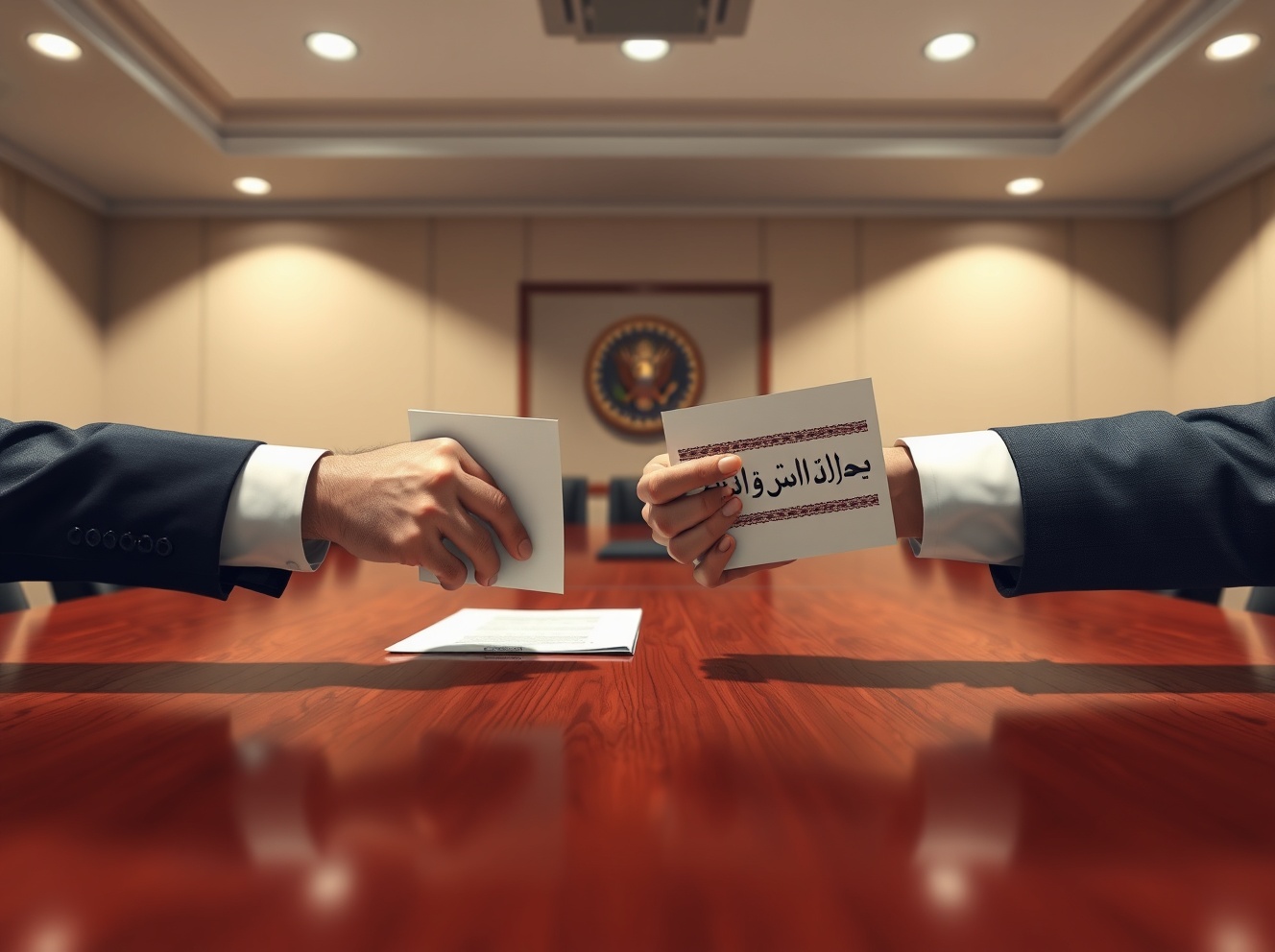
Trump Iran Negotiations Intensify as President Describes ‘Regime Change’ Situation
WASHINGTON, D.C., March 15, 2025 – President Donald Trump revealed today that intense negotiations with Iranian authorities are currently underway, describing the evolving situation as a phase of “Regime Change” during an exclusive CNBC interview. The President expressed cautious optimism about making substantial progress in these critical talks, marking a significant development in US-Iran relations that has captured global attention.
Trump Iran Negotiations Enter Critical Phase
President Trump’s comments to CNBC represent the most direct acknowledgment to date of ongoing diplomatic engagement between Washington and Tehran. Consequently, these negotiations occur against a complex geopolitical backdrop. The President specifically characterized the current situation as “Regime Change,” a term with substantial historical and political weight in international relations. Furthermore, his statement suggests a potential shift in diplomatic strategy toward Iran.
Historical context provides essential perspective on this development. The US-Iran relationship has experienced decades of tension, particularly following the 1979 Iranian Revolution. Additionally, the 2015 Joint Comprehensive Plan of Action (JCPOA), commonly called the Iran nuclear deal, created temporary diplomatic channels. However, the Trump administration withdrew from that agreement in 2018, reinstating severe economic sanctions.
Analyzing the ‘Regime Change’ Terminology
The phrase “Regime Change” carries specific connotations in foreign policy discourse. Traditionally, it refers to the replacement of one government system with another, often through external pressure or intervention. President Trump’s application of this term to current negotiations requires careful examination. Importantly, he did not specify whether he referenced internal political shifts within Iran or potential outcomes from diplomatic pressure.
Several regional experts have weighed in on this terminology. Dr. Anahita Nassiri, a senior fellow at the Middle East Institute, notes, “The language of ‘regime change’ typically implies a fundamental transformation of political structures. However, in diplomatic contexts, it can sometimes signal ambitious negotiation goals rather than literal political overthrow.” This distinction proves crucial for understanding potential US objectives.
Recent Diplomatic Timeline
The path to current negotiations follows a specific sequence of events:
- 2018: US withdraws from JCPOA, imposes “maximum pressure” sanctions
- 2019-2020: Escalating regional tensions, including incidents in the Strait of Hormuz
- 2021-2023: Indirect talks in Vienna regarding nuclear program limits
- 2024: Backchannel communications intensify amid regional realignments
- 2025: President Trump confirms “intense negotiations” are actively underway
This timeline demonstrates the evolving nature of US-Iran engagement. Moreover, regional dynamics have shifted significantly. Normalization agreements between Israel and several Arab states have altered traditional alliances. Simultaneously, Iran has pursued stronger ties with Russia and China, creating a more multipolar diplomatic landscape.
Potential Impacts and Regional Implications
Successful negotiations could yield substantial regional consequences. First, they might reduce immediate tensions in the Persian Gulf, a critical global shipping corridor. Second, progress could influence nuclear non-proliferation efforts throughout the Middle East. Third, economic impacts would be considerable, potentially affecting global oil markets and regional trade patterns.
Key stakeholders are monitoring developments closely. European nations, particularly France, Germany, and the United Kingdom, have maintained interest in preserving nuclear constraints. Meanwhile, Gulf Cooperation Council (GCC) states express mixed reactions. Some welcome potential de-escalation, while others remain cautious about Iranian regional influence.
| Administration | Primary Strategy | Key Outcome |
|---|---|---|
| Obama (2013-2017) | Diplomatic engagement leading to JCPOA | Nuclear constraints, temporary sanctions relief |
| Trump First Term (2017-2021) | Maximum pressure through sanctions | Economic strain, reduced Iranian oil exports |
| Current Negotiations (2025) | Intense direct/indirect talks | Potential comprehensive agreement (outcome pending) |
Economic Considerations and Sanctions
Economic factors undoubtedly influence the negotiation dynamics. US sanctions have significantly impacted Iran’s economy, particularly oil exports and access to international financial systems. Consequently, Tehran possesses strong incentives for sanctions relief. Conversely, the US seeks verifiable constraints on Iran’s nuclear program and regional activities.
Energy markets are watching closely. Any agreement affecting Iranian oil exports could alter global supply calculations. Additionally, regional stability impacts shipping insurance costs through critical chokepoints like the Strait of Hormuz. These economic dimensions add complexity to the diplomatic process.
Expert Analysis of Negotiation Prospects
Foreign policy analysts emphasize several key factors. Verification mechanisms for any agreement will be paramount. Previous experiences with the JCPOA highlight challenges in monitoring compliance. Furthermore, domestic politics in both countries create constraints. In Iran, various political factions hold differing views on engagement with the United States.
Regional security arrangements represent another consideration. Any comprehensive agreement would likely address Iran’s ballistic missile program and support for proxy groups. These elements extend beyond nuclear issues to broader regional stability concerns. Negotiations must therefore balance multiple, interconnected issues.
Conclusion
President Trump’s confirmation of intense negotiations with Iran marks a pivotal moment in Middle East diplomacy. His characterization of the situation as “Regime Change” introduces significant terminology that warrants careful interpretation. The coming weeks will reveal whether these Trump Iran negotiations yield the substantial progress he hopes to achieve. Global observers will monitor developments closely, recognizing their potential to reshape regional dynamics and international relations. Ultimately, the success of these talks will depend on verifiable agreements addressing nuclear concerns, regional security, and economic relations.
FAQs
Q1: What exactly did President Trump say about Iran?
President Trump told CNBC that “intense negotiations” with Iranian authorities are underway. He described the current situation as “Regime Change” and expressed hope for making substantial progress.
Q2: What does “Regime Change” mean in this context?
While traditionally implying government overthrow, in diplomatic contexts it can signal ambitious negotiation goals for fundamental policy changes. Experts suggest it may refer to seeking significant behavioral shifts from Iran’s government rather than literal political replacement.
Q3: How do these negotiations differ from previous US-Iran talks?
These appear more direct and intensive than recent indirect talks. They occur amid changed regional dynamics, including normalized Israel-Arab relations and strengthened Iran-Russia-China ties, creating different leverage points for both sides.
Q4: What are the main obstacles to an agreement?
Key challenges include verification mechanisms for nuclear compliance, addressing Iran’s regional activities and missile program, sanctions relief sequencing, and domestic political constraints in both countries.
Q5: How would an agreement affect global oil markets?
Successful negotiations allowing increased Iranian oil exports could increase global supply, potentially lowering prices. However, this depends on OPEC+ responses and the specific terms of any sanctions relief.
This post Trump Iran Negotiations Intensify as President Describes ‘Regime Change’ Situation first appeared on BitcoinWorld.
Ayrıca Şunları da Beğenebilirsiniz

Coinbase Slams ‘Patchwork’ State Crypto Laws, Calls for Federal Preemption

Time Management For Entrepreneurs

