BitcoinWorld FBI Tron Scam Alert: Critical Warning Targets Fake Institutional Tokens on Crypto Network In a significant cybersecurity development, the U.S. FederalBitcoinWorld FBI Tron Scam Alert: Critical Warning Targets Fake Institutional Tokens on Crypto Network In a significant cybersecurity development, the U.S. Federal

FBI Tron Scam Alert: Critical Warning Targets Fake Institutional Tokens on Crypto Network

2026/03/20 06:40
Okuma süresi: 6 dk
Bu içerikle ilgili geri bildirim veya endişeleriniz için lütfen crypto.news@mexc.com üzerinden bizimle iletişime geçin.

BitcoinWorld
BitcoinWorld
FBI Tron Scam Alert: Critical Warning Targets Fake Institutional Tokens on Crypto Network

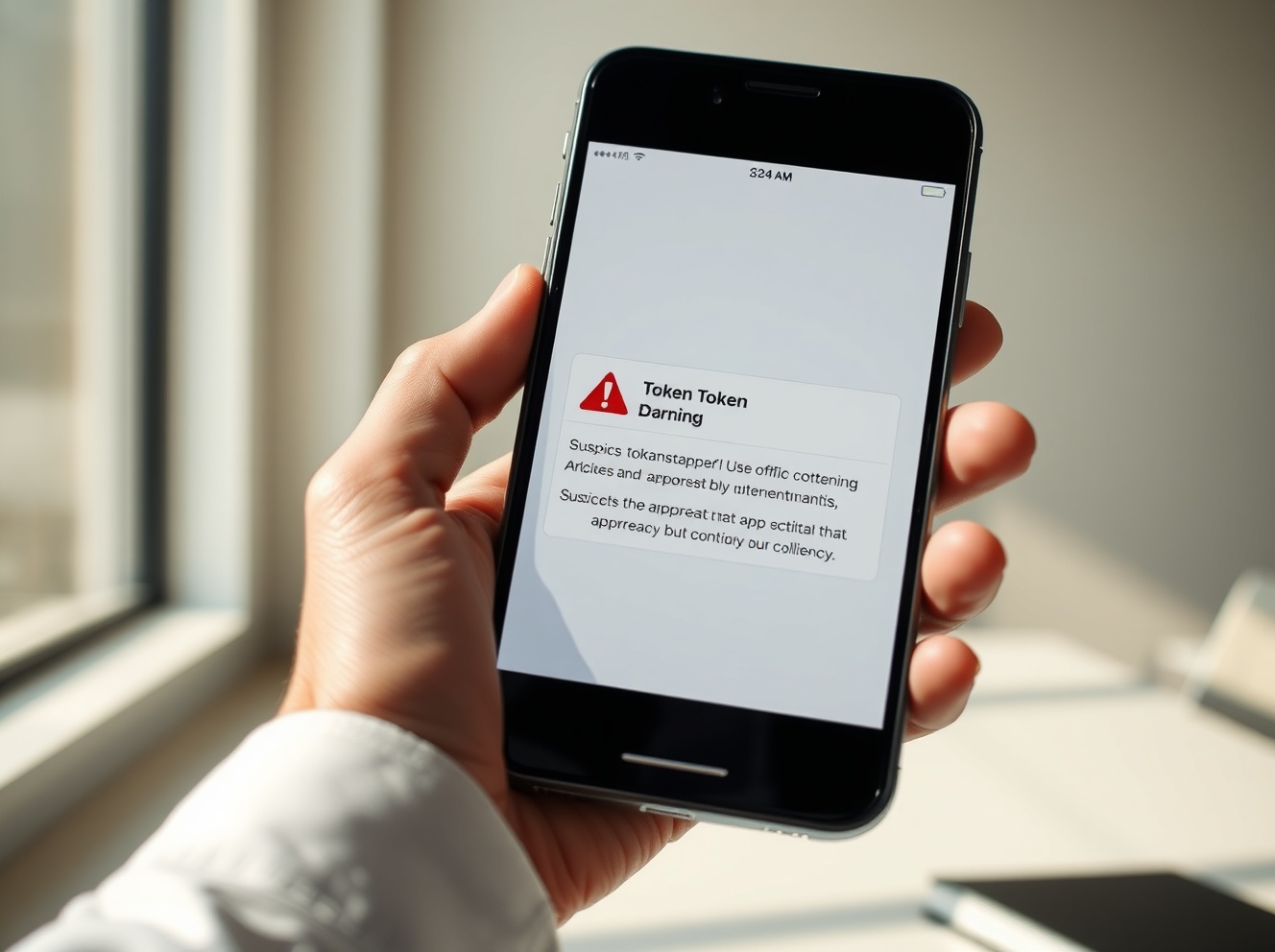
In a significant cybersecurity development, the U.S. Federal Bureau of Investigation has issued a critical warning about sophisticated fake tokens circulating on the Tron blockchain network. The FBI’s New York field office specifically alerted cryptocurrency users about fraudulent TRC-20 tokens that impersonate legitimate institutions, marking an escalation in digital asset security threats. This alert follows increasing reports of coordinated attacks targeting Tron wallet holders through deceptive token distributions and subsequent information extraction attempts.

FBI Tron Scam Mechanics and Immediate Threats

The FBI detailed the specific mechanics of this emerging cryptocurrency threat. Attackers first send unsolicited TRC-20 tokens to user wallets on the Tron network. Subsequently, these malicious actors contact victims through associated websites or messaging platforms. They demand personally identifiable information while falsely claiming potential asset freezes for alleged Anti-Money Laundering violations. This dual approach combines technical blockchain manipulation with psychological pressure tactics.

According to blockchain security analysts, these fake tokens often mimic legitimate financial instruments or government-backed digital assets. The tokens typically display names and metadata designed to appear official and trustworthy. Security researchers have identified several common characteristics of these fraudulent assets:

  • Official-sounding names that reference government agencies or established institutions
  • Professional-looking documentation linked to the token transactions
  • Websites with SSL certificates that appear legitimate at first glance
  • Pressure tactics emphasizing urgency and potential legal consequences

Tron Network Security Context and Historical Vulnerabilities

The Tron blockchain, founded by Justin Sun in 2017, has grown into one of the most active networks for decentralized applications and token transactions. Its TRC-20 token standard, similar to Ethereum’s ERC-20, enables developers to create custom digital assets with relative ease. This flexibility, while beneficial for innovation, also creates opportunities for malicious actors to deploy fraudulent tokens quickly and at minimal cost.

Blockchain forensic firms have documented increasing scam activity on the Tron network throughout 2024. The network’s low transaction fees and fast confirmation times make it attractive for both legitimate users and criminals. Security experts note that Tron’s popularity for stablecoin transactions, particularly USDT-TRON, has made it a prime target for impersonation scams. The following table illustrates the growth of security incidents on the network:

Time Period Reported Scam Incidents Estimated Financial Impact
Q1 2024 47 $3.2 million
Q2 2024 89 $8.7 million
Q3 2024 134 $12.1 million
Q4 2024 187 $15.8 million

Expert Analysis of the Impersonation Threat Vector

Cybersecurity specialists emphasize the psychological sophistication of these attacks. Dr. Elena Rodriguez, a blockchain security researcher at Stanford University, explains the social engineering component. “These criminals exploit the inherent trust users place in official-looking communications,” she states. “The combination of a seemingly legitimate token appearing in your wallet, followed by official-sounding threats about AML violations, creates powerful psychological pressure.”

Furthermore, the technical execution demonstrates increasing sophistication. Attackers now use smart contracts that can mimic legitimate token behaviors, making initial detection more difficult. Some fraudulent tokens even include fake verification badges or links to counterfeit verification services. This multi-layered approach represents a significant evolution from earlier, more primitive cryptocurrency scams.

Regulatory Response and Institutional Coordination

The FBI’s public warning represents part of a broader coordinated response to cryptocurrency fraud. Federal agencies have increased their focus on digital asset crimes as adoption grows. The Internet Crime Complaint Center (IC3) has established specialized procedures for cryptocurrency-related complaints. These procedures enable faster tracking and investigation of blockchain-based crimes.

International cooperation has also intensified. The FBI’s warning follows similar alerts from European law enforcement agencies about cross-border cryptocurrency scams. Interpol has established working groups specifically focused on blockchain fraud detection and prevention. This global coordination reflects the borderless nature of cryptocurrency crimes and the need for international investigative frameworks.

Industry responses have been equally significant. Major cryptocurrency exchanges have enhanced their monitoring systems for suspicious token activities. Several platforms now automatically flag transactions involving known scam tokens. Wallet providers have implemented additional security warnings for unsolicited token receipts. These collective efforts demonstrate the cryptocurrency industry’s maturation in addressing security threats.

Practical Protection Measures for Crypto Users

Security experts recommend specific protective actions for cryptocurrency holders. First, users should never provide personal information in response to unsolicited token receipts. Second, verifying token legitimacy through multiple independent sources remains crucial. Third, using hardware wallets for significant holdings adds an essential security layer. Finally, immediately reporting suspicious activities to the IC3 creates valuable investigative data.

Blockchain analytics companies have developed tools to help users identify potential scam tokens. These tools analyze token contracts, transaction patterns, and associated metadata. Many are available as browser extensions or integrated directly into wallet interfaces. Regular security education represents another critical defense layer against evolving cryptocurrency threats.

Conclusion

The FBI’s warning about fake tokens on the Tron network highlights the evolving sophistication of cryptocurrency scams. This FBI Tron scam alert emphasizes the importance of vigilance, verification, and reporting in the digital asset ecosystem. As blockchain technology continues developing, security practices must evolve correspondingly. The coordinated response from law enforcement, industry, and users will determine the resilience of cryptocurrency systems against increasingly sophisticated threats. Ultimately, education and technological safeguards provide the strongest defense against these impersonation attacks targeting the growing Tron network community.

FAQs

Q1: What should I do if I receive an unsolicited token on the Tron network?
Do not interact with the token or any associated messages. Immediately report the incident to the Internet Crime Complaint Center (IC3) and consider using blockchain analytics tools to investigate the token’s origin.

Q2: How can I verify if a token on Tron is legitimate?
Check multiple verification sources including the official project website, blockchain explorers, and community verification channels. Legitimate projects typically have transparent documentation and established community presence across multiple platforms.

Q3: What personal information do these scammers typically request?
Scammers often request government-issued identification, Social Security numbers, wallet private keys, or seed phrases. They may also ask for banking information or additional cryptocurrency transfers under false pretenses.

Q4: Are hardware wallets effective protection against these token scams?
Hardware wallets provide excellent protection against unauthorized transactions but cannot prevent receipt of scam tokens. They do, however, prevent automatic token interactions that might compromise your assets.

Q5: How does the FBI investigate these cryptocurrency scams?
The FBI uses blockchain forensic tools to trace transactions, analyzes smart contract code, collaborates with exchanges for account information, and works with international partners to identify criminal networks operating across jurisdictions.

This post FBI Tron Scam Alert: Critical Warning Targets Fake Institutional Tokens on Crypto Network first appeared on BitcoinWorld.

Piyasa Fırsatı
Terrace Logosu
Terrace Fiyatı(TRC)
$0.014326
$0.014326$0.014326
+11.80%
USD
Terrace (TRC) Canlı Fiyat Grafiği
Sorumluluk Reddi: Bu sitede yeniden yayınlanan makaleler, halka açık platformlardan alınmıştır ve yalnızca bilgilendirme amaçlıdır. MEXC'nin görüşlerini yansıtmayabilir. Tüm hakları telif sahiplerine aittir. Herhangi bir içeriğin üçüncü taraf haklarını ihlal ettiğini düşünüyorsanız, kaldırılması için lütfen crypto.news@mexc.com ile iletişime geçin. MEXC, içeriğin doğruluğu, eksiksizliği veya güncelliği konusunda hiçbir garanti vermez ve sağlanan bilgilere dayalı olarak alınan herhangi bir eylemden sorumlu değildir. İçerik, finansal, yasal veya diğer profesyonel tavsiye niteliğinde değildir ve MEXC tarafından bir tavsiye veya onay olarak değerlendirilmemelidir.

Ayrıca Şunları da Beğenebilirsiniz

Trump-backed WLFI  launches AgentPay SDK open-source payment toolkit for AI agents

Trump-backed WLFI  launches AgentPay SDK open-source payment toolkit for AI agents

The Trump family has expanded its presence in the crypto community with a major development for artificial intelligence (AI) agents. According to reports, World
Paylaş
Cryptopolitan2026/03/20 19:03
Summarize Any Stock’s Earnings Call in Seconds Using FMP API

Summarize Any Stock’s Earnings Call in Seconds Using FMP API

Turn lengthy earnings call transcripts into one-page insights using the Financial Modeling Prep APIPhoto by Bich Tran Earnings calls are packed with insights. They tell you how a company performed, what management expects in the future, and what analysts are worried about. The challenge is that these transcripts often stretch across dozens of pages, making it tough to separate the key takeaways from the noise. With the right tools, you don’t need to spend hours reading every line. By combining the Financial Modeling Prep (FMP) API with Groq’s lightning-fast LLMs, you can transform any earnings call into a concise summary in seconds. The FMP API provides reliable access to complete transcripts, while Groq handles the heavy lifting of distilling them into clear, actionable highlights. In this article, we’ll build a Python workflow that brings these two together. You’ll see how to fetch transcripts for any stock, prepare the text, and instantly generate a one-page summary. Whether you’re tracking Apple, NVIDIA, or your favorite growth stock, the process works the same — fast, accurate, and ready whenever you are. Fetching Earnings Transcripts with FMP API The first step is to pull the raw transcript data. FMP makes this simple with dedicated endpoints for earnings calls. If you want the latest transcripts across the market, you can use the stable endpoint /stable/earning-call-transcript-latest. For a specific stock, the v3 endpoint lets you request transcripts by symbol, quarter, and year using the pattern: https://financialmodelingprep.com/api/v3/earning_call_transcript/{symbol}?quarter={q}&year={y}&apikey=YOUR_API_KEY here’s how you can fetch NVIDIA’s transcript for a given quarter: import requestsAPI_KEY = "your_api_key"symbol = "NVDA"quarter = 2year = 2024url = f"https://financialmodelingprep.com/api/v3/earning_call_transcript/{symbol}?quarter={quarter}&year={year}&apikey={API_KEY}"response = requests.get(url)data = response.json()# Inspect the keysprint(data.keys())# Access transcript contentif "content" in data[0]: transcript_text = data[0]["content"] print(transcript_text[:500]) # preview first 500 characters The response typically includes details like the company symbol, quarter, year, and the full transcript text. If you aren’t sure which quarter to query, the “latest transcripts” endpoint is the quickest way to always stay up to date. Cleaning and Preparing Transcript Data Raw transcripts from the API often include long paragraphs, speaker tags, and formatting artifacts. Before sending them to an LLM, it helps to organize the text into a cleaner structure. Most transcripts follow a pattern: prepared remarks from executives first, followed by a Q&A session with analysts. Separating these sections gives better control when prompting the model. In Python, you can parse the transcript and strip out unnecessary characters. A simple way is to split by markers such as “Operator” or “Question-and-Answer.” Once separated, you can create two blocks — Prepared Remarks and Q&A — that will later be summarized independently. This ensures the model handles each section within context and avoids missing important details. Here’s a small example of how you might start preparing the data: import re# Example: using the transcript_text we fetched earliertext = transcript_text# Remove extra spaces and line breaksclean_text = re.sub(r'\s+', ' ', text).strip()# Split sections (this is a heuristic; real-world transcripts vary slightly)if "Question-and-Answer" in clean_text: prepared, qna = clean_text.split("Question-and-Answer", 1)else: prepared, qna = clean_text, ""print("Prepared Remarks Preview:\n", prepared[:500])print("\nQ&A Preview:\n", qna[:500]) With the transcript cleaned and divided, you’re ready to feed it into Groq’s LLM. Chunking may be necessary if the text is very long. A good approach is to break it into segments of a few thousand tokens, summarize each part, and then merge the summaries in a final pass. Summarizing with Groq LLM Now that the transcript is clean and split into Prepared Remarks and Q&A, we’ll use Groq to generate a crisp one-pager. The idea is simple: summarize each section separately (for focus and accuracy), then synthesize a final brief. Prompt design (concise and factual) Use a short, repeatable template that pushes for neutral, investor-ready language: You are an equity research analyst. Summarize the following earnings call sectionfor {symbol} ({quarter} {year}). Be factual and concise.Return:1) TL;DR (3–5 bullets)2) Results vs. guidance (what improved/worsened)3) Forward outlook (specific statements)4) Risks / watch-outs5) Q&A takeaways (if present)Text:<<<{section_text}>>> Python: calling Groq and getting a clean summary Groq provides an OpenAI-compatible API. Set your GROQ_API_KEY and pick a fast, high-quality model (e.g., a Llama-3.1 70B variant). We’ll write a helper to summarize any text block, then run it for both sections and merge. import osimport textwrapimport requestsGROQ_API_KEY = os.environ.get("GROQ_API_KEY") or "your_groq_api_key"GROQ_BASE_URL = "https://api.groq.com/openai/v1" # OpenAI-compatibleMODEL = "llama-3.1-70b" # choose your preferred Groq modeldef call_groq(prompt, temperature=0.2, max_tokens=1200): url = f"{GROQ_BASE_URL}/chat/completions" headers = { "Authorization": f"Bearer {GROQ_API_KEY}", "Content-Type": "application/json", } payload = { "model": MODEL, "messages": [ {"role": "system", "content": "You are a precise, neutral equity research analyst."}, {"role": "user", "content": prompt}, ], "temperature": temperature, "max_tokens": max_tokens, } r = requests.post(url, headers=headers, json=payload, timeout=60) r.raise_for_status() return r.json()["choices"][0]["message"]["content"].strip()def build_prompt(section_text, symbol, quarter, year): template = """ You are an equity research analyst. Summarize the following earnings call section for {symbol} ({quarter} {year}). Be factual and concise. Return: 1) TL;DR (3–5 bullets) 2) Results vs. guidance (what improved/worsened) 3) Forward outlook (specific statements) 4) Risks / watch-outs 5) Q&A takeaways (if present) Text: <<< {section_text} >>> """ return textwrap.dedent(template).format( symbol=symbol, quarter=quarter, year=year, section_text=section_text )def summarize_section(section_text, symbol="NVDA", quarter="Q2", year="2024"): if not section_text or section_text.strip() == "": return "(No content found for this section.)" prompt = build_prompt(section_text, symbol, quarter, year) return call_groq(prompt)# Example usage with the cleaned splits from Section 3prepared_summary = summarize_section(prepared, symbol="NVDA", quarter="Q2", year="2024")qna_summary = summarize_section(qna, symbol="NVDA", quarter="Q2", year="2024")final_one_pager = f"""# {symbol} Earnings One-Pager — {quarter} {year}## Prepared Remarks — Key Points{prepared_summary}## Q&A Highlights{qna_summary}""".strip()print(final_one_pager[:1200]) # preview Tips that keep quality high: Keep temperature low (≈0.2) for factual tone. If a section is extremely long, chunk at ~5–8k tokens, summarize each chunk with the same prompt, then ask the model to merge chunk summaries into one section summary before producing the final one-pager. If you also fetched headline numbers (EPS/revenue, guidance) earlier, prepend them to the prompt as brief context to help the model anchor on the right outcomes. Building the End-to-End Pipeline At this point, we have all the building blocks: the FMP API to fetch transcripts, a cleaning step to structure the data, and Groq LLM to generate concise summaries. The final step is to connect everything into a single workflow that can take any ticker and return a one-page earnings call summary. The flow looks like this: Input a stock ticker (for example, NVDA). Use FMP to fetch the latest transcript. Clean and split the text into Prepared Remarks and Q&A. Send each section to Groq for summarization. Merge the outputs into a neatly formatted earnings one-pager. Here’s how it comes together in Python: def summarize_earnings_call(symbol, quarter, year, api_key, groq_key): # Step 1: Fetch transcript from FMP url = f"https://financialmodelingprep.com/api/v3/earning_call_transcript/{symbol}?quarter={quarter}&year={year}&apikey={api_key}" resp = requests.get(url) resp.raise_for_status() data = resp.json() if not data or "content" not in data[0]: return f"No transcript found for {symbol} {quarter} {year}" text = data[0]["content"] # Step 2: Clean and split clean_text = re.sub(r'\s+', ' ', text).strip() if "Question-and-Answer" in clean_text: prepared, qna = clean_text.split("Question-and-Answer", 1) else: prepared, qna = clean_text, "" # Step 3: Summarize with Groq prepared_summary = summarize_section(prepared, symbol, quarter, year) qna_summary = summarize_section(qna, symbol, quarter, year) # Step 4: Merge into final one-pager return f"""# {symbol} Earnings One-Pager — {quarter} {year}## Prepared Remarks{prepared_summary}## Q&A Highlights{qna_summary}""".strip()# Example runprint(summarize_earnings_call("NVDA", 2, 2024, API_KEY, GROQ_API_KEY)) With this setup, generating a summary becomes as simple as calling one function with a ticker and date. You can run it inside a notebook, integrate it into a research workflow, or even schedule it to trigger after each new earnings release. Free Stock Market API and Financial Statements API... Conclusion Earnings calls no longer need to feel overwhelming. With the Financial Modeling Prep API, you can instantly access any company’s transcript, and with Groq LLM, you can turn that raw text into a sharp, actionable summary in seconds. This pipeline saves hours of reading and ensures you never miss the key results, guidance, or risks hidden in lengthy remarks. Whether you track tech giants like NVIDIA or smaller growth stocks, the process is the same — fast, reliable, and powered by the flexibility of FMP’s data. Summarize Any Stock’s Earnings Call in Seconds Using FMP API was originally published in Coinmonks on Medium, where people are continuing the conversation by highlighting and responding to this story
Paylaş
Medium2025/09/18 14:40
Tom Lee Declares That Ethereum Has Bottomed Out

Tom Lee Declares That Ethereum Has Bottomed Out

Experienced analyst Tom Lee conducted an in-depth analysis of the Ethereum price. Here are some of the highlights from Lee's findings. Continue Reading: Tom Lee
Paylaş
Bitcoinsistemi2026/03/20 19:05