

Trump Iran Supreme Leader Stance: Explosive Remarks Signal Hardline Policy Shift
BitcoinWorld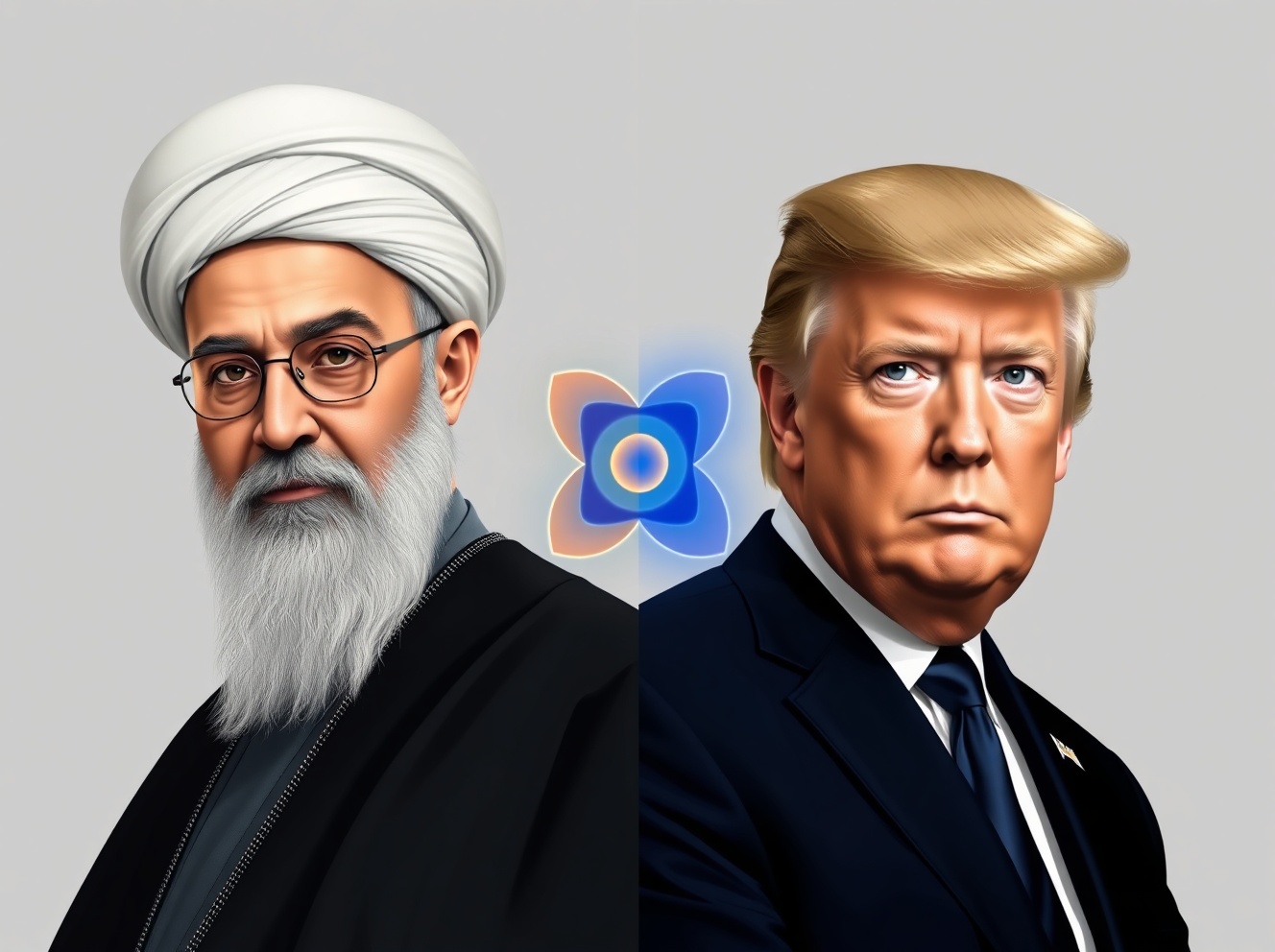
Trump Iran Supreme Leader Stance: Explosive Remarks Signal Hardline Policy Shift
WASHINGTON, D.C. – December 2025: President Donald Trump has reportedly told aides he would support removing Iran’s newly elected Supreme Leader, Mojtaba Khamenei, if Iran refuses to abandon its nuclear program, according to Walter Bloomberg reporting. This explosive statement marks a significant escalation in U.S.-Iran tensions and signals a potential hardline policy shift. The remarks follow Mojtaba Khamenei’s recent election by Iran’s Assembly of Experts, succeeding his late father, Ayatollah Seyyed Ali Khamenei.
Trump Iran Supreme Leader Comments: Policy Implications
President Trump’s reported willingness to support regime change in Iran represents a dramatic foreign policy position. Consequently, this stance could fundamentally alter Middle East dynamics. The Trump administration has consistently maintained pressure on Tehran through maximum sanctions. However, advocating for leadership removal crosses a significant diplomatic threshold. Furthermore, this position aligns with Trump’s previous criticisms of the Iranian election process.
International relations experts note several critical implications:
- Diplomatic Escalation: Direct threats against sovereign leadership typically represent final-stage diplomacy
- Regional Stability: Neighboring countries monitor these developments closely for security implications
- Nuclear Negotiations: Hardline positions may complicate future diplomatic efforts
- Legal Considerations: International law generally prohibits interference in sovereign state leadership
Mojtaba Khamenei’s Leadership Transition Context
Mojtaba Khamenei’s ascension to Supreme Leader follows Iran’s established political processes. The Assembly of Experts, comprising 88 Islamic scholars, elected him following his father’s passing. Importantly, Mojtaba has long been considered a potential successor within Iran’s political circles. His leadership style and policy directions remain subjects of intense international scrutiny.
The transition occurs during particularly challenging circumstances for Iran:
| Challenge Area | Current Status | Potential Impact |
|---|---|---|
| Economic Sanctions | Maximum pressure continues | Domestic stability concerns |
| Nuclear Program | Expanding capabilities | International isolation risk |
| Regional Influence | Proxy networks active | Geopolitical tensions |
| Domestic Politics | Consolidating power | Governance challenges |
Historical US-Iran Relations Perspective
U.S.-Iran relations have experienced significant turbulence since the 1979 Islamic Revolution. The Trump administration previously withdrew from the Joint Comprehensive Plan of Action (JCPOA) in 2018. Subsequently, tensions escalated through targeted military actions and economic measures. Therefore, current remarks represent continuity in Trump’s confrontational approach toward Tehran.
Regional analysts observe that leadership transitions in Iran historically coincide with policy reassessments. However, external pressure during such transitions may produce unpredictable outcomes. The international community generally prefers diplomatic engagement during leadership changes.
Nuclear Program Standoff: Technical and Political Dimensions
Iran’s nuclear program remains the central issue in U.S.-Iran relations. The International Atomic Energy Agency (IAEA) continues monitoring Iranian nuclear activities. Recent reports indicate Iran has expanded its uranium enrichment capabilities. Specifically, Iran now enriches uranium to 60% purity at Fordow and Natanz facilities.
Key nuclear program developments include:
- Enrichment Capacity: Iran maintains approximately 4,000 advanced centrifuges
- Stockpile Growth: Enriched uranium reserves exceed JCPOA limits significantly
- Research Advancement: Nuclear research continues across multiple facilities
- International Response: European powers seek diplomatic solutions
Technical capabilities combine with political considerations to create complex negotiation dynamics. The Trump administration’s maximum pressure campaign aimed to force Iranian concessions. However, Iran has responded with accelerated nuclear development instead.
Regional Security Implications Analysis
Middle Eastern security architecture faces potential disruption from escalated U.S.-Iran tensions. Regional powers maintain varying positions on Iranian leadership. Gulf Cooperation Council (GCC) states generally support pressure on Iran’s nuclear program. Conversely, they express concerns about regional destabilization from confrontational approaches.
Security experts identify several potential consequences:
- Proxy Conflict Escalation: Iranian-backed groups may increase activities
- Maritime Security: Persian Gulf shipping routes face heightened risks
- Arms Race Dynamics: Regional military expenditures may increase
- Diplomatic Alignment Shifts: Traditional alliances could undergo reassessment
Furthermore, Israel maintains particular concerns about Iranian nuclear capabilities. The Israeli government consistently advocates for preventing Iranian nuclear weapon development. Therefore, Trump’s remarks may receive support from certain regional actors.
International Law and Sovereignty Considerations
Advocating foreign leadership removal raises significant international legal questions. The United Nations Charter prohibits interference in sovereign states’ internal affairs. Specifically, Article 2(4) forbids threats against territorial integrity or political independence. However, interpretations vary regarding permissible responses to security threats.
Legal experts highlight several relevant frameworks:
| Legal Principle | Application | Potential Conflict |
|---|---|---|
| Sovereign Equality | States possess equal rights under international law | Leadership removal advocacy |
| Non-Intervention | Prohibition on interfering in domestic affairs | Regime change support |
| Self-Defense Rights | Permitted against imminent armed attacks | Preventive action justification |
| Diplomatic Protection | Peaceful dispute resolution mechanisms | Confrontational approaches |
Historical precedents provide context for current discussions. The international community has responded variably to leadership change advocacy throughout history. Contemporary norms generally emphasize diplomatic engagement over confrontational posturing.
Conclusion
President Trump’s reported willingness to support removing Iran’s Supreme Leader represents a significant development in U.S.-Iran relations. This Trump Iran Supreme Leader position signals potential policy escalation amid ongoing nuclear program disputes. The international community now monitors responses from Tehran and regional actors. Furthermore, diplomatic channels may face increased strain from such confrontational rhetoric. Ultimately, sustainable solutions require balanced approaches addressing security concerns while respecting sovereignty principles. The coming months will reveal whether these remarks represent negotiating tactics or substantive policy directions.
FAQs
Q1: What specifically did President Trump say about Iran’s new Supreme Leader?
According to Walter Bloomberg reporting, President Trump told aides he would not hesitate to support removing Supreme Leader Mojtaba Khamenei if Iran refuses to abandon its nuclear program.
Q2: How was Mojtaba Khamenei elected as Iran’s Supreme Leader?
Iran’s Assembly of Experts, comprising 88 Islamic scholars, elected Mojtaba Khamenei following the passing of his father, Ayatollah Seyyed Ali Khamenei, through established constitutional processes.
Q3: What is the current status of Iran’s nuclear program?
Iran continues uranium enrichment activities, currently maintaining approximately 4,000 advanced centrifuges and enriching uranium to 60% purity at Fordow and Natanz facilities, exceeding JCPOA limits.
Q4: How have other countries responded to these developments?
Regional powers maintain varying positions, with some supporting pressure on Iran’s nuclear program while expressing concerns about regional destabilization from confrontational approaches.
Q5: What are the potential consequences of escalated U.S.-Iran tensions?
Potential consequences include proxy conflict escalation, maritime security risks in Persian Gulf shipping routes, increased regional military expenditures, and possible diplomatic alignment shifts.
This post Trump Iran Supreme Leader Stance: Explosive Remarks Signal Hardline Policy Shift first appeared on BitcoinWorld.
Ayrıca Şunları da Beğenebilirsiniz

Botanix launches stBTC to deliver Bitcoin-native yield
WORLD3 and PlaysOut Unite to Advance Web3 Mini-Game Ecosystem
