Next Wave: Kenya rules that you have a right to be wrong, but no right to be invisible
Cet article est aussi disponible en français
First published 08 March, 2026
Kenya rules that you have a right to be wrong, but no right to be invisible

Image: Courtesy
In the intersection of high-stakes litigation and digital governance, the Kenyan Court of Appeal’s ruling in BAKE v. Attorney General is being hailed as a historic win for free speech. It strikes down Sections 22 and 23 of the Computer Misuse and Cybercrimes Act, which criminalised the publication of false information (depending on who you ask).
But if you look closely at the 96-page judgment, the court liberated the internet and effectively regulated truth by deciding that the State is too clumsy a referee to manage it.
The problem
The court’s core logic for striking down the fake news (misinformation and disinformation) provisions was that they were unguided missiles. The problem with a law that criminalises misleading data is that it assumes “truth” is a static, easily identifiable commodity.
As the judges noted, what is false today, like Galileo’s heliocentrism, might be true tomorrow. If you criminalise the act of being wrong, you don’t just stop liars but also the process of discovery. The court basically said that the risk of a digital wildfire of lies is a price worth paying to avoid a state-mandated monopoly on reality by removing these sections.
A win for civil awyers
While journalists and bloggers (do not read “bloggers” with a negative connotation) are celebrating the death of criminal libel, they may have just handed civil defamation lawyers a massive gift.
The court pointed out that the National Cohesion and Integration Act and civil defamation laws already handle these issues. In a criminal case, the state has to prove you had a guilty mind. In a civil case, a private individual just has to prove that you damaged their reputation.
The court didn’t say you have the right to lie, it said the police shouldn’t be the ones arresting you for it. This shifts the truth-policing from the public budget to private pockets. If you’re a journalist, you no longer fear a 10-year prison sentence, but you should probably increase your budget for legal defense against wealthy individuals who can now sue you into oblivion without the chilling effect of a state prosecution getting in the way.
Next Wave continues after this ad.
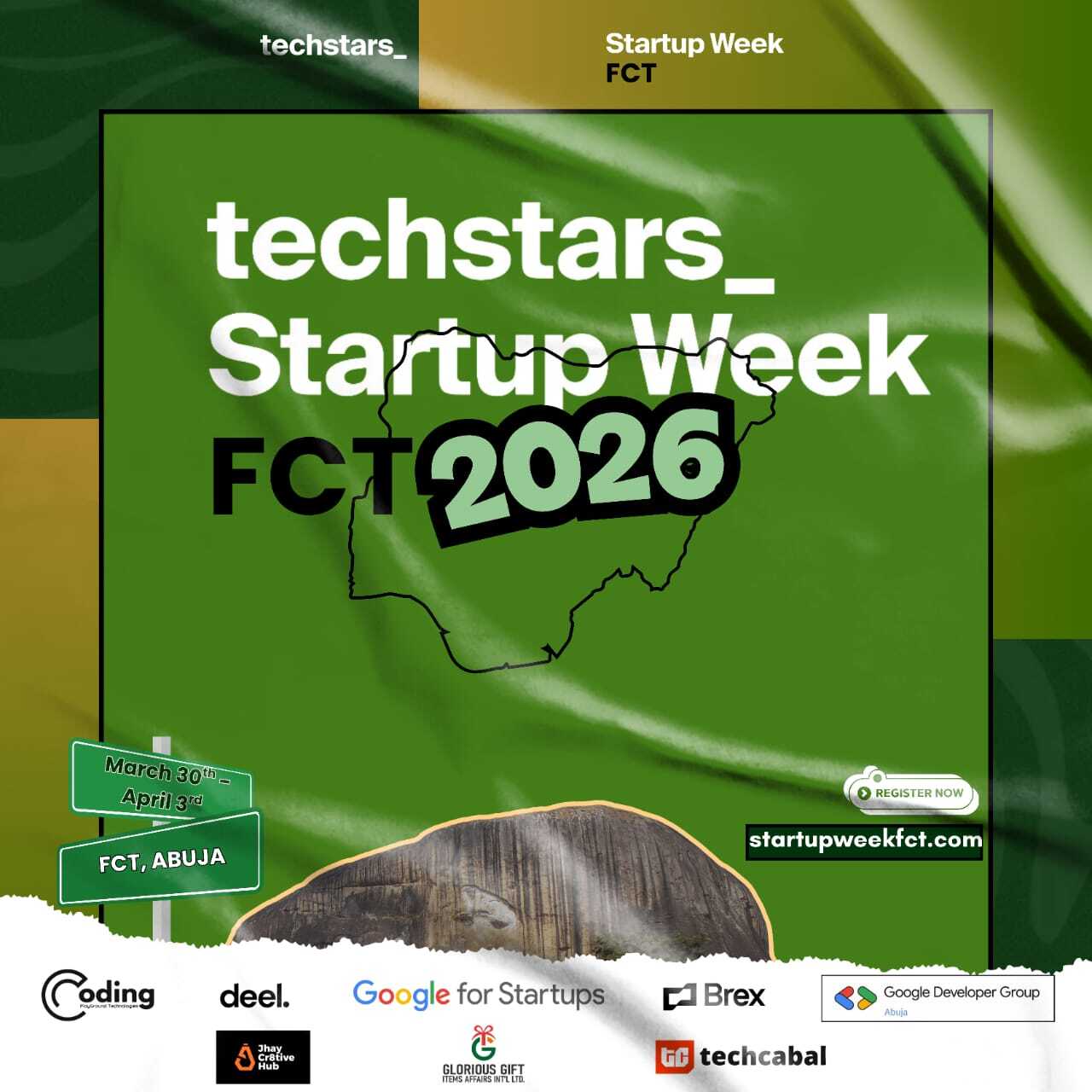
Techstars Startup Week FCT 2026 will run from March 30 to April 3 in Abuja, Nigeria, bringing together founders, developers, investors and creatives for five days of workshops, panels, pitch sessions and mentorship. The event forms part of the global Techstars Startup Week network and spotlights Abuja’s growing startup scene.
Visit here for more detailsThe surveillance trade-off
The most nuanced, and perhaps darkest, part of the ruling is what the court didn’t strike down. The court upheld the State’s investigative powers under Sections 48 through 53.
The state can still:
1. Search and seize your computer data with a warrant.
2. Compel your ISP to hand over your traffic data.
3. Conduct real-time surveillance on your communications for up to six months.
The court’s justification is a classic bit of judicial gatekeeping. These powers aren’t unconstitutional because they require a judge’s approval. The court believes that the judiciary will be a more reliable protector of privacy than the executive is a prosecutor of truth.
This creates a fascinating paradox. The court has said the State isn’t smart enough to know what a lie is (striking down Section 23), but it is responsible enough to handle the keys to your digital life (upholding Section 52).
The internet is not the Wild West
Finally, the court explicitly rejected the idea that the internet should be a law-free environment or a virtual jungle. It upheld Section 28 on cybersquatting because property rights must exist online.
The court has redefined the internet not as a space of absolute freedom, but as a regulated marketplace. You are free to be wrong (Section 23 is gone), but you are not free to steal a domain name (Section 28 stays), and you are certainly not invisible to the State (Section 52 stays).
It is a bittersweet victory. You can speak your mind without fear of a jail cell for fake news, but the State is still watching, and a judge, not a constitution, is the only thing standing between your data and a police server. In the court’s view, the internet shouldn’t be a Wild West, but it’s perfectly fine with it being a highly surveyed company town where the rules of truth are left to the highest bidder in civil court.
Next Wave ends after this ad.

The 15th annual MIT Sloan Africa Innovate Conference took place on 28 February 2026 at MIT’s Innovation Headquarters in Cambridge, Massachusetts. It drew builders, policymakers and investors and has helped create jobs, attract over $150 million in capital and scale ventures that have touched millions across Africa.
Kenn Abuya
Senior Reporter, TechCabal
Thank you for reading this far. Feel free to email kenn[at]bigcabal.com, with your thoughts about this edition of NextWave. Or just click reply to share your thoughts and feedback.
We’d love to hear from you
Psst! Down here!
Thanks for reading today’s Next Wave. Please share. Or subscribe if someone shared it to you
As always feel free to email a reply or response to this essay. I enjoy reading those emails a lot.
TC Daily newsletter is out daily (Mon – Fri) brief of all the technology and business stories you need to know. Get it in your inbox each weekday at 7 AM (WAT).
Follow TechCabal on Twitter, Instagram, Facebook, and LinkedIn to stay engaged in our real-time conversations on tech and innovation in Africa.
 |
|
    |
|
|
18, Nnobi Street, Surulere, Lagos, Nigeria |
View in Map |
| You received this email because you signed up on our website or made purchase from us. If you know longer wish to recieve these emails, please unsubscribe |
Ayrıca Şunları da Beğenebilirsiniz

Bio Protocol Raises $6.9M to Advance AI-Powered Decentralized Science

Winklevoss Brothers’ $130M Bitcoin Move Sparks Market Scrutiny and Strategic Speculation