

Ripple Flutterwave partnership puts RLUSD on $50B payment rails
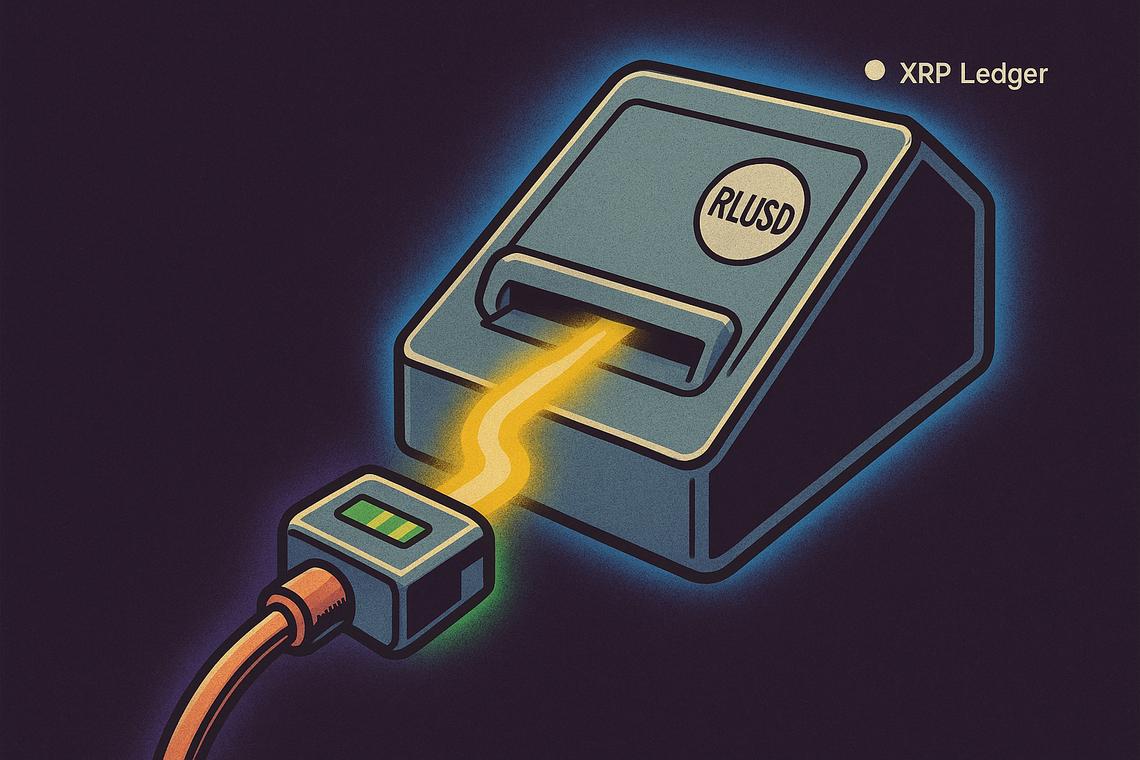
Ripple has taken a strategic equity stake in Flutterwave, Africa’s most prominent payment technology company, marking one of the most significant crypto-meets-fintech moves on the continent in recent memory. The investment, made through Flutterwave’s Series E funding round, values the African payments giant at between $3.2 billion and $3.3 billion — and signals that Ripple is serious about planting its RLUSD stablecoin directly inside the payment rails that millions of African businesses already rely on.
Key takeaways
- Ripple acquired an equity stake in Flutterwave during its Series E round; the exact size of the stake remains confidential.
- Flutterwave’s valuation at this round stands at approximately $3.2–$3.3 billion, up from over $3 billion in 2022.
- The partnership’s primary goal is deploying the RLUSD stablecoin within Flutterwave’s payment ecosystem to enable digital-dollar cross-border payments.
- Nigeria is the initial target market, with Flutterwave connecting to Ripple Payments’ global network via the XRP Ledger.
- RLUSD circulation has grown more than 20% year-to-date to reach $1.6 billion, within a global stablecoin market that now exceeds $300 billion.
Ripple Acquires Equity Stake in Flutterwave
Ripple’s move is more than a financial bet — it’s a structural play. By becoming a shareholder in Flutterwave, Ripple gains direct alignment with a company that has processed over one billion transactions totaling more than $50 billion in aggregate value and raised over $500 million in total capital since its founding. That’s not a startup experiment. That’s active, live infrastructure.
Flutterwave CEO Olugbenga Agboola confirmed the investment in an interview, noting the valuation milestone while declining to disclose the precise amount invested or the size of Ripple’s shareholding. The exact equity stake remains confidential — a common arrangement in strategic rounds where both sides have incentives to keep competitive positioning private.
For context, Flutterwave was already valued at more than $3 billion in a 2022 funding round. The new round pushes that figure slightly higher, reflecting continued confidence in the company’s footprint across 35 African nations even as the broader fintech funding environment has remained selective.
Deploying RLUSD Inside Flutterwave’s Payment Ecosystem
The strategic heart of this deal is straightforward: get RLUSD moving through payment infrastructure that businesses are already using. Rather than trying to convince merchants to adopt a new wallet or learn a new platform, Ripple is embedding its dollar-backed stablecoin directly into a system they already trust.
Flutterwave’s ecosystem spans local payment cards, digital wallet solutions, direct bank connections, and money transfer services. The plan is to route high-traffic payment channels and remittance pathways through RLUSD for settlement — reducing friction and the cost of moving money across borders without leaning on traditional correspondent banking networks.
This matters because cross-border payments in Africa remain expensive and slow by global standards. Foreign currency liquidity constraints, limited banking infrastructure in many corridors, and high remittance fees have long frustrated merchants and consumers alike. A stablecoin settlement layer built on blockchain infrastructure offers a credible technical path around several of those bottlenecks.
Nigeria as the Initial Strategic Market
Nigeria has been identified as the priority market for the initial RLUSD deployment. Both organizations view the country as a strategic center for cryptocurrency adoption — a reasonable conclusion given Nigeria’s consistently high crypto usage rates and the scale of remittance flows into and out of the country. A successful rollout there would provide a proof-of-concept with real transaction volume behind it, before any broader continental expansion.
Technical Integration and the XRP Ledger Connection
On the technical side, Flutterwave will establish connectivity with Ripple Payments’ global network through an integrated API layer, leveraging the XRP Ledger’s distributed ledger technology to accelerate transaction processing and reduce settlement costs.
Reece Merrick, who heads Ripple’s operations across the Middle East and Africa, described the arrangement as placing “RLUSD embedded in Flutterwave’s payment rails” while utilizing “XRPL for faster clearing.” That framing captures the technical logic concisely: Flutterwave handles the merchant-facing infrastructure, Ripple’s blockchain handles the settlement backend.
Flutterwave has signaled its intention to move toward a stablecoin-first payments framework — a shift designed to eliminate the inefficiencies baked into conventional international payment systems. Whether that transition happens quickly or gradually will depend heavily on adoption rates in early markets like Nigeria.
RLUSD’s Market Position and Growth Trajectory
The Ripple-Flutterwave partnership arrives at a meaningful moment for RLUSD specifically. The stablecoin’s circulation has grown more than 20% year-to-date, reaching $1.6 billion in current supply. That’s real progress, but the competitive gap with market leaders is still substantial.
Tether, Circle, and Paxos continue to dominate overall stablecoin market penetration. The global stablecoin sector has surpassed $300 billion in aggregate supply, with international payments representing one of the fastest-growing deployment scenarios for digital dollar products. For RLUSD to carve out meaningful share, it needs exactly what this partnership provides: integration into high-volume payment corridors where volume is already proven.
That’s the underlying logic of Ripple’s approach. Instead of competing on crypto-exchange trading pairs or DeFi protocol integrations, the company is targeting real commercial transaction flow — businesses paying suppliers, merchants receiving cross-border payments, workers sending money home. The Flutterwave deal doesn’t just give RLUSD more wallet addresses; it gives it a direct channel into active economic activity across a continent with hundreds of millions of underserved payment users.
Whether RLUSD can convert Flutterwave’s existing transaction volume into genuine stablecoin adoption — rather than remaining a backend settlement layer invisible to end users — will be the real test of this partnership’s long-term value. The infrastructure is now in place. The question is whether the demand follows at scale.
FAQ
What is the nature of Ripple’s investment in Flutterwave?
Ripple acquired an equity stake in Flutterwave through its Series E funding round, though the exact size of the stake remains confidential. The investment values Flutterwave at approximately $3.2–$3.3 billion.
What is the main goal of the Ripple and Flutterwave partnership?
The partnership aims to deploy the RLUSD stablecoin within Flutterwave’s payment ecosystem, enabling merchants and businesses to complete cross-border transactions using digital dollars and reducing dependence on traditional banking infrastructure.
Which market is targeted first for RLUSD stablecoin deployment?
Nigeria has been identified as the initial strategic market for RLUSD deployment, given its high cryptocurrency adoption rates and significant remittance activity.
How does the partnership improve payment processing?
Flutterwave will connect to Ripple Payments’ global network via an integrated API, leveraging the XRP Ledger’s distributed ledger technology to accelerate transaction clearing and reduce the costs associated with international money transfers.
Article produced with the assistance of artificial intelligence and reviewed by the editorial team.


Ayrıca Şunları da Beğenebilirsiniz

Pi Network Smart Contracts Could Transform It Into a Full Web3 Powerhouse

World Cup Lifts Prediction Market Weekly Spot Volume to $8.7 Billion Record

The Louvre’s latest exhibit: A growing repair bill



