South Africa’s US$5.8bn Hydrogen Push Advances

South Africa’s green hydrogen ambitions advanced this week after the Hive Hydrogen Coega project selected a major technology package for its planned large-scale green ammonia production facility, reinforcing the country’s growing role in the global energy transition economy.
The US$5.8 billion development, located within the Coega Special Economic Zone near the Port of Ngqura in South Africa’s Eastern Cape province, has progressed toward commercial readiness following the selection of Danish engineering group Topsoe to supply an integrated electrolyser and green ammonia solution.
The project is expected to produce approximately one million tonnes of green ammonia annually, targeting export markets across Europe and Asia as countries accelerate industrial decarbonisation strategies and seek long-term low-carbon fuel supply partnerships.
The advancement highlights how African economies with strong renewable energy resources are increasingly attempting to position themselves within emerging hydrogen and green fuel supply chains. Alongside South Africa, countries including Namibia, Egypt and Morocco have intensified efforts to attract large-scale investment into renewable-powered industrial export projects.
The Coega initiative is expected to rely primarily on solar and wind energy generation to power electrolysis systems that produce green hydrogen before conversion into ammonia for export and industrial use. Green ammonia is increasingly viewed as one of the most commercially viable methods of transporting hydrogen internationally due to existing storage and maritime infrastructure compatibility.
Beyond fertiliser markets, green ammonia is also attracting growing interest as a potential maritime fuel and as a decarbonisation solution for hard-to-abate sectors including heavy industry, chemicals and shipping.
The technology selection is considered strategically important because electrolysis efficiency remains one of the central economic variables in green hydrogen production. High electricity consumption continues to represent one of the largest cost challenges facing the sector globally.
The project also reflects broader competition emerging between regions seeking first-mover advantage within future hydrogen export markets. European and Asian economies are increasingly pursuing long-term supply diversification strategies as decarbonisation policies accelerate across industrial sectors.
For South Africa, the development could contribute toward industrial diversification, export growth and renewable infrastructure expansion within the Eastern Cape. It also reinforces the strategic importance of integrated port, industrial and energy infrastructure in supporting future energy-transition industries across Africa.
Despite growing investor interest, large-scale hydrogen projects across the continent still face substantial financing, infrastructure and execution challenges. Transmission capacity, water availability, long-term offtake agreements and capital intensity remain among the principal constraints slowing final investment decisions across many proposed projects.
Commercial operations for the Hive Hydrogen Coega project are currently expected toward the end of the decade, subject to financing completion, regulatory approvals and final investment decision milestones.
The post South Africa’s US$5.8bn Hydrogen Push Advances appeared first on FurtherAfrica.


Ayrıca Şunları da Beğenebilirsiniz
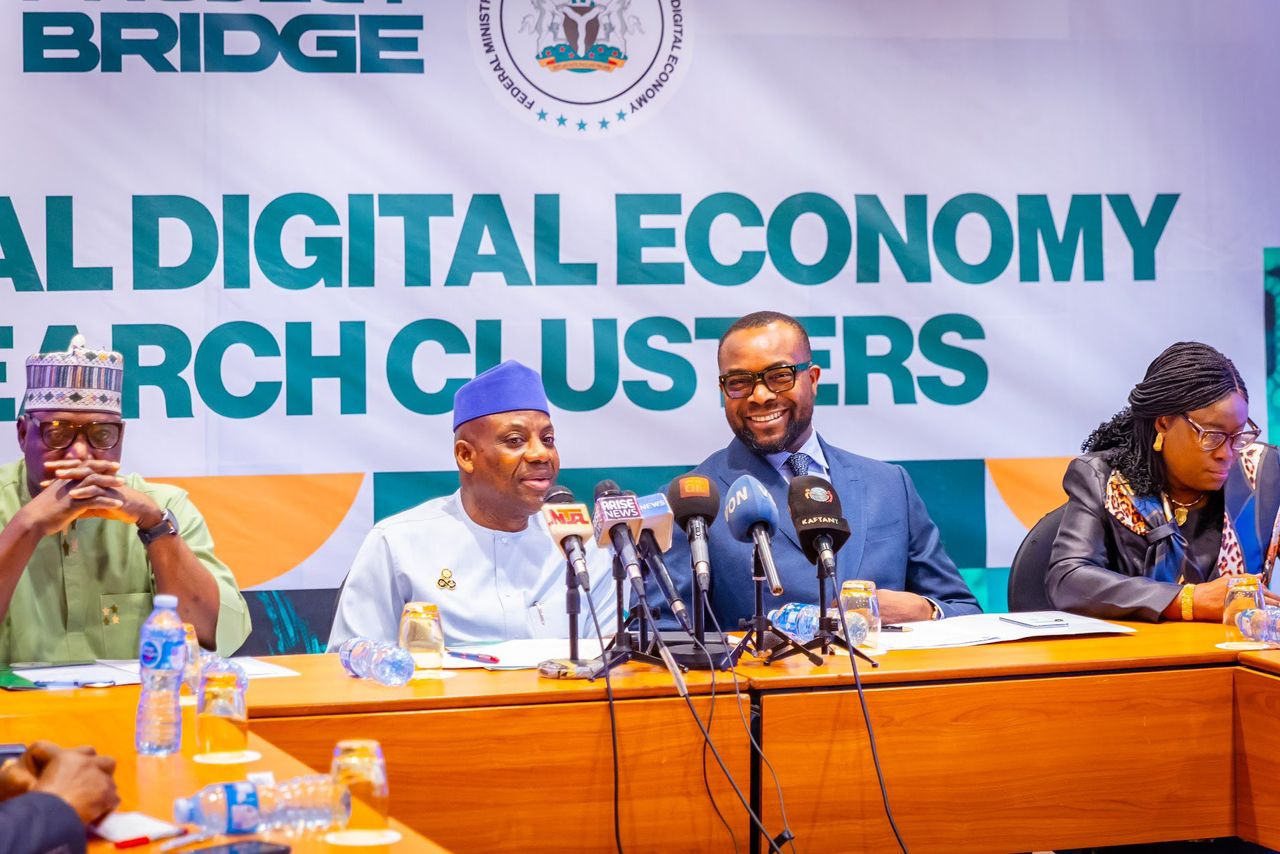
Nigeria invests $9m in research to drive digital economy ambitions
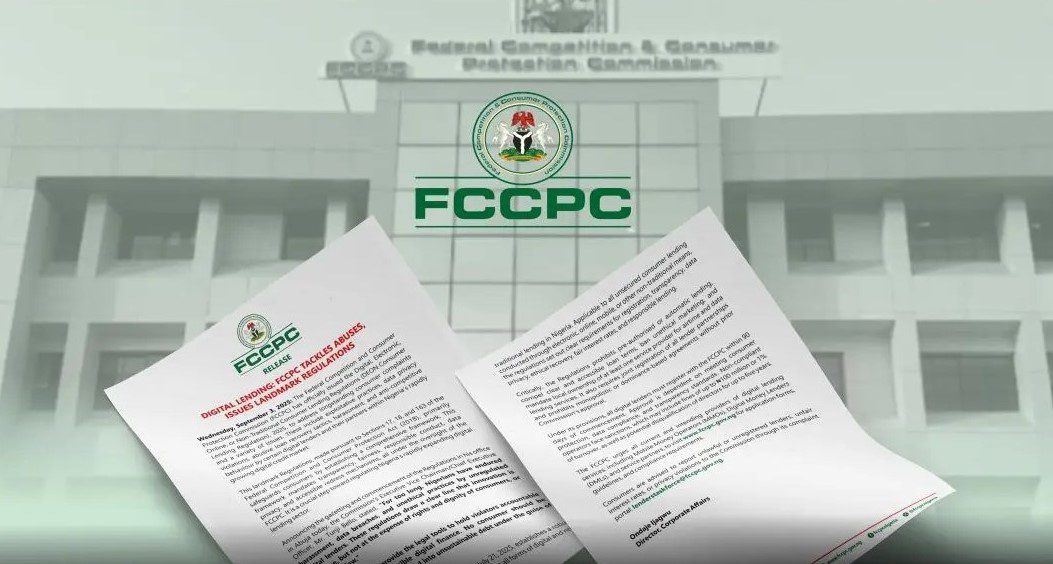
Why MTN, Airtel, Glo, others are resuming voice and data lending services after a 5-week suspension
Tempus AI (TEM) Stock: Plunge as FDA Clears xT CDx Tumor-Only Cancer Test


Popüler Haberler
Daha fazla