Platinum Market Remains Undersupplied but Demand Shows Signs of Softening: Commerzbank
BitcoinWorld
Platinum Market Remains Undersupplied but Demand Shows Signs of Softening: Commerzbank
Commerzbank analysts have issued a fresh assessment of the platinum market, noting that while the metal continues to face structural supply deficits, demand-side pressures are beginning to ease. The report offers a nuanced view of a market caught between persistent production constraints and shifting industrial consumption patterns.
Supply deficit persists amid mine disruptions
The platinum market has remained undersupplied for several consecutive quarters, driven largely by operational challenges at major South African mines, which account for over 70% of global platinum output. Power outages, labor disputes, and declining ore grades have constrained production, keeping the market in a deficit despite softer demand. Commerzbank’s analysis suggests that these supply-side issues are unlikely to resolve quickly, as mine operators face rising costs and regulatory hurdles.
Industrial demand softens, automotive sector shifts
Demand for platinum, however, is showing signs of moderation. The automotive sector, historically the largest consumer of platinum for catalytic converters, is experiencing a gradual shift as automakers increasingly adopt palladium and other alternatives in gasoline engines. Meanwhile, industrial demand from the chemical and glass sectors has also softened amid a broader economic slowdown in key manufacturing regions, including Europe and parts of Asia.
Jewelry and investment demand provide limited support
Jewelry consumption, particularly in China and India, has remained relatively stable but has not grown enough to offset the decline in industrial offtake. Investment demand for platinum bars and coins has been mixed, with some investors viewing the metal as a hedge against inflation, while others remain cautious due to the metal’s price volatility and lack of clear upward momentum.
Price outlook and market implications
Commerzbank’s report suggests that platinum prices may remain range-bound in the near term, as the supply deficit provides a floor but softening demand caps upside potential. The bank does not forecast a significant price rally unless supply disruptions intensify or a sudden rebound in industrial activity occurs. For traders and investors, the key takeaway is that platinum’s fundamentals are not as straightforward as a simple supply-demand imbalance — the market requires close monitoring of both mine output and macroeconomic indicators.
Conclusion
The platinum market presents a complex picture: structurally undersupplied but facing headwinds from moderating demand. Commerzbank’s analysis underscores the importance of distinguishing between short-term price movements and longer-term fundamentals. For stakeholders across the supply chain, from miners to manufacturers to investors, the coming months will require careful attention to both production data and global economic trends.
FAQs
Q1: Why is the platinum market still undersupplied?
Platinum supply remains constrained due to persistent operational issues at South African mines, including power outages, labor disputes, and declining ore grades. These factors have limited production despite moderate demand.
Q2: Which sectors are driving the softening demand for platinum?
Industrial demand, particularly from automotive catalytic converters and chemical manufacturing, has softened. Automakers are shifting toward palladium in some applications, and broader economic slowdowns in Europe and Asia have reduced industrial consumption.
Q3: What does Commerzbank’s analysis mean for platinum prices?
Commerzbank expects platinum prices to remain range-bound in the near term. The supply deficit provides price support, but softening demand limits significant upside. A sustained rally would likely require either deeper supply cuts or a rebound in industrial activity.
This post Platinum Market Remains Undersupplied but Demand Shows Signs of Softening: Commerzbank first appeared on BitcoinWorld.


Ayrıca Şunları da Beğenebilirsiniz

Robotics Automation Prototyping: Engineering Kinetic Agility into End-Effectors
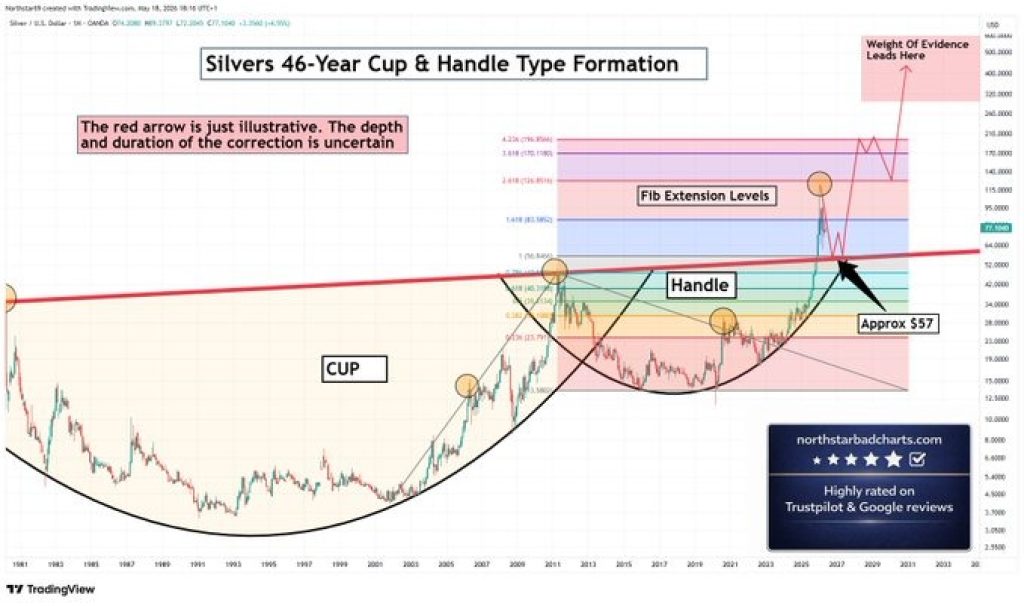
Silver Price Prediction: Cup and Handle Points to $196 – Why the Correction Was Always Part of the Plan