Best Free AI Trading Tools for Beginners in 2026: 10 Platforms Worth Testing
Most people searching for AI trading tools today are not professional traders. They are individual investors, side-hustlers, or beginners who want to understand how automated trading platforms work before committing significant capital.
The term “AI trading” covers a wide range of tools. Some platforms focus on automation and portfolio management, while others provide charting, signals, market scanning, or rule-based execution. For beginners, understanding these differences is important before choosing a platform.
This guide provides an informational overview of 10 AI-assisted trading tools available in 2026. Some focus on cryptocurrency trading, while others are designed for stocks and ETFs. The goal is to help readers compare features, usability, and accessibility — not to recommend any specific platform or trading strategy.
A few important notes before starting:
- “Free” access varies by platform. Some provide permanent free tiers, while others offer limited trials, demo environments, or promotional starter credits.
- AI-assisted trading tools can help automate workflows and reduce manual monitoring, but they do not guarantee profits or eliminate market risk.
- Cryptocurrency and stock trading platforms operate differently and may be subject to different regulations depending on the jurisdiction.
Quick Comparison: AI Trading Tools for Beginners in 2026
1. SaintQuant
Asset focus: Crypto
Access model: Trial-based access
Coding required: No
SaintQuant is positioned as an AI-assisted crypto trading platform designed for users who prefer a simplified experience rather than building strategies manually.
The platform focuses on pre-configured trading workflows and automated execution systems. Users can select from different strategy categories and monitor portfolio activity through a managed dashboard.
Main characteristics
- Pre-built automation workflows
- Portfolio tracking and monitoring tools
- Exchange integrations
- Risk-management features such as stop-loss configurations
Important considerations
- Performance can vary significantly depending on market conditions
- Reported metrics should always be independently verified
- Automated systems still involve exposure to volatility and trading risk
SaintQuant may appeal to users who want exposure to automated crypto trading tools without manually configuring complex bots or scripts.
2. 3Commas
Asset focus: Crypto
Access model: Limited free plan
Coding required: No
3Commas is a crypto automation platform that supports DCA bots, grid bots, signal-based execution, and multi-exchange management.
The platform is widely known for offering customizable automation tools while remaining accessible to non-technical users.
Main characteristics
- DCA and grid trading automation
- TradingView integration
- Multi-exchange connectivity
- Strategy testing tools
Important considerations
- Some advanced features require paid subscriptions
- Users still need to understand strategy configuration basics
- Bot performance depends heavily on market conditions and user settings
3. Pionex
Asset focus: Crypto
Access model: Free access with trading fees
Coding required: No
Pionex combines a crypto exchange with built-in trading bots. Instead of connecting external software through APIs, automation tools are integrated directly into the exchange interface.
Main characteristics
- Built-in trading bots
- Grid and DCA automation
- Simplified onboarding process
- Cloud-based execution
Important considerations
- Automation remains limited to the platform ecosystem
- Strategy flexibility may be lower than third-party bot platforms
- Trading fees still apply
Pionex is often considered beginner-friendly because it reduces setup complexity.
4. Coinrule
Asset focus: Crypto
Access model: Free plan
Coding required: No
Coinrule focuses on no-code rule-based automation. Users can create workflows using conditional logic rather than programming.
Main characteristics
- Visual rule builder
- Predefined templates
- Exchange integrations
- Strategy customization options
Important considerations
- Free plans have usage limitations
- Complex strategies may require advanced configurations
- Market conditions still affect outcomes regardless of automation
Coinrule may be useful for users interested in experimenting with automated rule-based trading without coding knowledge.
5. Composer
Asset focus: Stocks / ETFs
Access model: Free tier
Coding required: No
Composer is a no-code platform focused on automated investing workflows for stocks and ETFs.
Users can build logic-based investment strategies, backtest them against historical data, and connect them to supported brokerage infrastructure.
Main characteristics
- No-code strategy builder
- Historical backtesting
- Portfolio automation
- ETF and stock strategy support
Important considerations
- Historical results do not guarantee future performance
- Backtesting quality depends on assumptions and market conditions
- Strategy complexity may require additional research
6. TrendSpider
Asset focus: Stocks / Crypto
Access model: Free trial
Coding required: No
TrendSpider is primarily an AI-assisted charting and technical analysis platform rather than a fully automated execution system.
Main characteristics
- Automated trendline detection
- Multi-timeframe analysis
- Pattern recognition
- Alert automation
Important considerations
- The platform focuses more on analysis than fully autonomous trading
- Users still make final trading decisions in many workflows
- Technical indicators are not predictive guarantees
TrendSpider may appeal to users who prefer AI-assisted market analysis while maintaining manual control over execution.
7. Trade Ideas
Asset focus: Stocks
Access model: Free trial
Coding required: No
Trade Ideas is known for AI-assisted stock scanning and real-time market monitoring.
Its scanning systems identify market activity patterns and provide traders with data-driven alerts.
Main characteristics
- Real-time stock scanning
- AI-assisted alerts
- Paper trading functionality
- Strategy backtesting tools
Important considerations
- Better suited to active traders than passive investors
- Understanding stock market fundamentals remains important
- Alert-based systems are not guarantees of successful trades
8. Tickeron
Asset focus: Stocks / ETFs
Access model: Limited free tier
Coding required: No
Tickeron provides AI-assisted market analysis, signal generation, and pattern recognition tools across several asset classes.
Main characteristics
- AI-generated trade ideas
- Pattern recognition systems
- Confidence scoring tools
- Strategy analysis dashboards
Important considerations
- AI-generated signals should not replace independent research
- Market conditions can change quickly
- Subscription tiers vary by feature access
Tickeron may be useful for users learning how quantitative analysis tools are applied in financial markets.
9. StockHero
Asset focus: Stocks
Access model: Free trial
Coding required: No
StockHero offers no-code automation for stock trading through prebuilt bot templates and broker integrations.
Main characteristics
- Preconfigured stock trading bots
- Strategy marketplace
- Broker connectivity
- Automated execution tools
Important considerations
- Automated templates still require user oversight
- Past strategy performance does not predict future outcomes
- Subscription costs may apply after trial periods
10. Alpaca
Asset focus: Stocks / Crypto
Access model: Free access
Coding required: Yes
Alpaca is a developer-focused brokerage infrastructure platform that provides APIs for algorithmic trading systems.
Main characteristics
- Commission-free API access
- Custom strategy development
- Paper trading environment
- Infrastructure for algorithmic workflows
Important considerations
- Requires technical knowledge
- Better suited to developers and advanced users
- Users remain responsible for strategy logic and risk management
How to Choose an AI Trading Tool
When evaluating trading platforms, beginners may benefit from considering the following:
Asset Type
Some platforms specialize in cryptocurrencies, while others focus on stocks or ETFs.
Automation Level
Certain tools offer fully automated workflows, while others mainly assist with analysis and alerts.
Ease of Use
No-code interfaces may be more suitable for beginners than API-driven systems.
Risk Management
Features such as stop-loss tools, exposure controls, and paper trading environments can help users test strategies more carefully.
Regulatory Considerations
Availability and compliance requirements may vary depending on jurisdiction.
Common Misconceptions About AI Trading
AI does not eliminate risk
Automation can improve execution efficiency, but market volatility and losses remain possible.
Backtesting is not proof of future performance
Historical data simulations help evaluate strategies, but real markets behave differently over time.
More features do not always mean better outcomes
A simpler platform may be more appropriate for beginners than a highly complex system.
Automation still requires oversight
Even automated systems should be monitored regularly for performance, risk exposure, and technical issues.
Final Thoughts
AI-assisted trading platforms have become more accessible in recent years, offering tools for automation, analysis, portfolio monitoring, and strategy testing across both crypto and traditional financial markets.
Platforms such as SaintQuant, 3Commas, Pionex, Coinrule, Composer, TrendSpider, Trade Ideas, Tickeron, StockHero, and Alpaca each serve different types of users and trading styles.
However, no platform can guarantee performance or remove market risk entirely. Users should independently research any service they consider using, review official disclosures, test features carefully, and ensure they understand the risks associated with trading and automation tools before committing capital.
The post Best Free AI Trading Tools for Beginners in 2026: 10 Platforms Worth Testing appeared first on Coinfomania.


Ayrıca Şunları da Beğenebilirsiniz

GOP lawmaker sues ex-wife who accused him of throwing boiling water on her
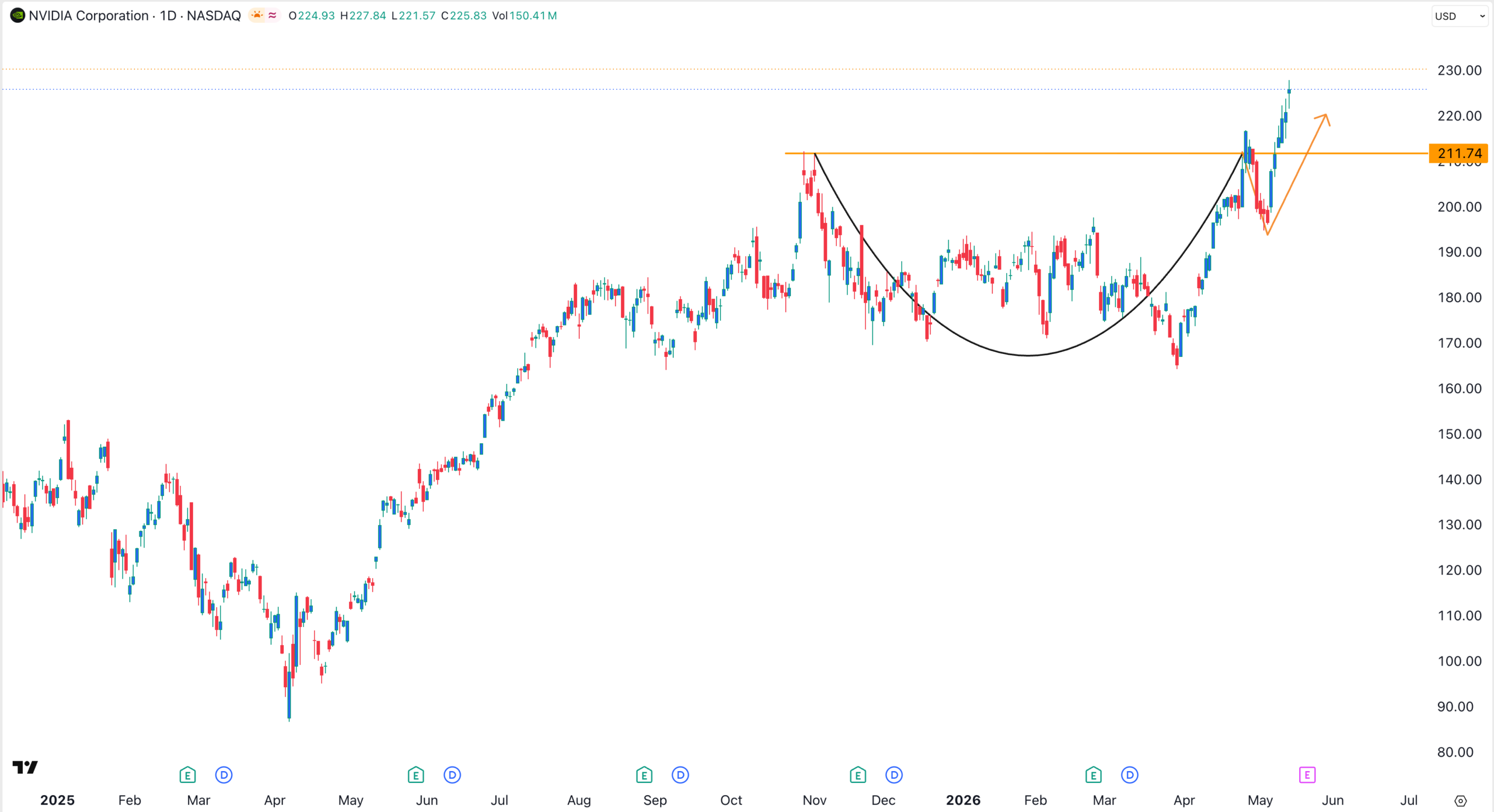
NVIDIA Stock Forecast as the US Clears H200 Chips Sales to China