Critical Iran Blockade: President Trump Enforces April 13 Deadline, Sending Shockwaves Through Global Markets
BitcoinWorld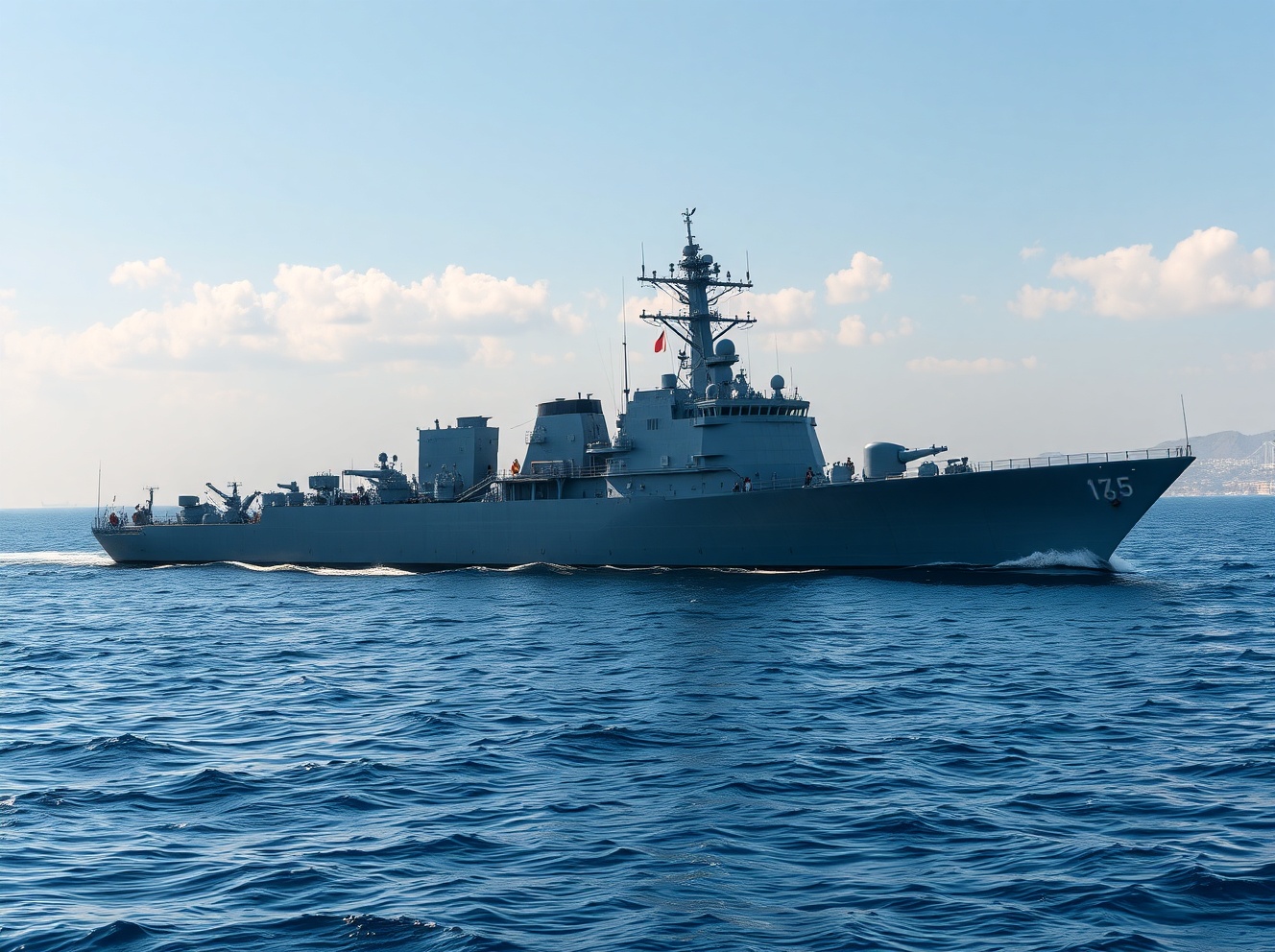
Critical Iran Blockade: President Trump Enforces April 13 Deadline, Sending Shockwaves Through Global Markets
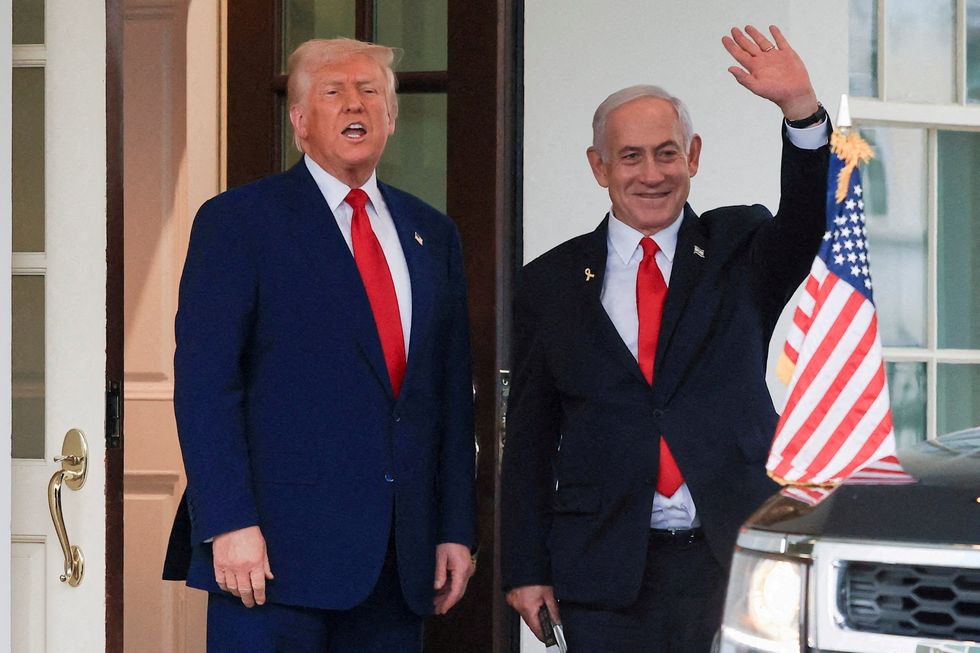
WASHINGTON, D.C., April 12, 2025 – The White House has issued a definitive military and economic directive, announcing that a full-scale naval blockade on key Iranian ports will commence officially on Saturday, April 13, at 10:00 A.M. Eastern Time. This critical Iran blockade represents a significant escalation in long-standing tensions, directly targeting the Islamic Republic’s primary economic lifelines. Consequently, global energy markets and regional security frameworks are bracing for immediate and profound repercussions. The order, authorized by President Donald Trump, mandates US and allied naval forces to interdict maritime traffic to and from specified Iranian facilities.
Anatomy of the Iran Blockade Order
The presidential directive outlines a comprehensive enforcement perimeter. Specifically, it focuses on major commercial and energy hubs, including Bandar Abbas on the Strait of Hormuz, Bandar Imam Khomeini on the Persian Gulf, and Chabahar on the Gulf of Oman. Furthermore, the US Central Command (CENTCOM) will coordinate patrols and boarding operations. The stated legal justification cites United Nations Security Council resolutions on non-proliferation and Iran’s destabilizing regional activities. However, international legal experts anticipate swift challenges at the UN. The blockade’s timing is strategically significant, coinciding with regional diplomatic efforts that now appear stalled.
Geopolitical Context and Historical Precedents
This action does not occur in a vacuum. Instead, it follows a multi-year “maximum pressure” campaign. Previous administrations employed economic sanctions as the primary tool. For instance, the Trump administration re-imposed stringent oil sanctions in 2018. Subsequently, the Biden administration engaged in stalled nuclear talks. Now, the shift to an active naval blockade marks a stark tactical evolution. Historically, such blockades are acts of war under international law. The 1962 Cuban Missile Crisis provides a notable precedent for US naval quarantines. Regional powers, including Saudi Arabia and Israel, have publicly supported stronger measures against Iran. Conversely, China and Russia have consistently criticized unilateral US actions.
Expert Analysis on Maritime Enforcement and Risks
Admiral James Stavridis (Ret.), former Supreme Allied Commander of NATO, provided context on the operational challenges. “Enforcing a blockade in the congested and narrow Strait of Hormuz is a complex, high-risk endeavor,” Stavridis noted. “It requires constant aerial surveillance, coordinated boarding teams, and clear rules of engagement to avoid miscalculation.” The Iranian Revolutionary Guard Corps Navy possesses a large fleet of fast attack craft and asymmetric capabilities. Moreover, Iran has previously threatened to close the Strait entirely in response to aggression. This sets the stage for potential confrontations that could disrupt a vital chokepoint for global oil transit.
Immediate Impact on Global Energy Markets
Financial markets reacted with volatility within minutes of the announcement. The price of Brent crude oil surged by over 8% in early trading. Analysts project sustained price increases if the blockade persists. The following table illustrates key market movements:
| Commodity | Price Change | Key Driver |
|---|---|---|
| Brent Crude Oil | +8.2% | Supply Disruption Fears |
| Natural Gas (EU) | +5.7% | Alternative Energy Demand |
| Gold | +3.1% | Safe-Haven Buying |
Major importers of Iranian oil, primarily China, must now seek alternative suppliers. This could tighten global supply and increase leverage for other OPEC+ members. Simultaneously, shipping insurance premiums for vessels operating in the Persian Gulf have skyrocketed. Consequently, the cost of transporting all energy through the region will rise, affecting consumers worldwide. Energy analysts warn of gasoline price spikes in the US and Europe within weeks.
Regional Security and Diplomatic Fallout
The blockade instantly recalibrates security dynamics across the Middle East. Key implications include:
- Heightened Naval Activity: The US Fifth Fleet will be on high alert, likely reinforced by allied vessels from the UK and France.
- Iranian Retaliation Scenarios: Potential responses range from cyber-attacks on critical infrastructure to harassment of commercial shipping or targeting US bases via proxy forces.
- Proxy Conflict Escalation: Groups like Hezbollah in Lebanon or the Houthis in Yemen may increase attacks on US or allied interests.
- Gulf Cooperation Council (GCC) Divisions: While publicly supportive, some Gulf states privately fear being drawn into a direct conflict.
Diplomatically, the action isolates the United States from European allies who remain parties to the Iran nuclear deal (JCPOA). The EU foreign policy chief issued a statement urging “maximum restraint and a return to dialogue.”
Legal and Humanitarian Considerations
International law experts are debating the blockade’s legality. The UN Charter generally prohibits the use of force except in self-defense or with Security Council authorization. The US will likely invoke the right of self-defense, citing Iranian support for attacks on US personnel. A secondary, critical concern is the humanitarian impact. Iran relies on maritime imports for medicine and food staples. A strict blockade could exacerbate economic hardships for the civilian population. International aid organizations are already expressing concern about supply chain disruptions for essential goods.
Conclusion
The announcement of this critical Iran blockade by President Trump establishes a new and dangerous phase in US-Iran relations. Set to begin on April 13, 2025, the enforcement action carries significant risks for global energy stability, regional security, and international law. Its success hinges on precise naval execution and the management of inevitable Iranian countermeasures. Ultimately, the long-term consequences will extend far beyond the Persian Gulf, testing alliance structures and reshaping the geopolitical landscape for years to come. The world will be watching the Strait of Hormuz at 10:00 A.M. ET on Saturday with profound apprehension.
FAQs
Q1: What exactly is a naval blockade?
A naval blockade is a belligerent act to prevent vessels and/or aircraft from entering or exiting a specific coastline, port, or nation. It is an act of war under international law but can be employed as a tool of coercion or sanction enforcement.
Q2: Which Iranian ports are specifically targeted?
The order focuses on major strategic ports including Bandar Abbas (the largest commercial port), Bandar Imam Khomeini (a major oil terminal), and Chabahar (a key port for trade with Afghanistan and Central Asia). Other smaller facilities may also be monitored.
Q3: How will this affect global oil prices?
The immediate effect has been a sharp price increase due to fears of supply disruption. If the blockade is prolonged or triggers a wider conflict that closes the Strait of Hormuz (through which 20-30% of global oil passes), prices could spike dramatically, impacting economies worldwide.
Q4: Can other countries legally break the blockade?
Technically, any vessel attempting to run the blockade risks being boarded, seized, or turned away by US or allied forces. Such an attempt could be construed as a hostile act. Countries like China or Russia may challenge the blockade politically or diplomatically but are unlikely to risk direct military confrontation.
Q5: What is the end goal of this US policy?
The stated US objectives are to halt Iranian oil exports completely, cripple the regime’s funding for proxy militias, and force a return to negotiations on a stricter set of terms regarding Iran’s nuclear program and regional behavior. The unstated goal may be to induce significant internal pressure on the Iranian government.
This post Critical Iran Blockade: President Trump Enforces April 13 Deadline, Sending Shockwaves Through Global Markets first appeared on BitcoinWorld.


Ayrıca Şunları da Beğenebilirsiniz

Yee, Trupa defend respective titles in the National Age Duathlon

XRP Buy Pressure Hits Record High as Sellers Exhaust on Binance