Image When I first stepped into the world of crypto trading, I had one goal in mind: hit it big and hit it fast. I wanted those massive wins — the kind of gains you see plastered all over social media. You know the stories: “I turned $500 into $50,000 in two weeks!” They were intoxicating. Every time I saw a post like that, I thought, “Why not me?” But what I didn’t realize back then was that this mindset was slowly destroying me as a trader. It wasn’t just my portfolio that took hits — it was my confidence, my patience, and even my mental health. Over time, I learned a hard truth: chasing big wins is the quickest way to lose everything. Today, I want to share my journey — the mistakes, the lessons, and the mindset shift that changed my trading forever. Here’s why I gave up chasing massive gains and started focusing on consistency instead. The Allure of Big Wins: How It Sucked Me In When I first got into crypto, it felt like the wild west. Every week, a new coin was trending, and people were making insane profits overnight. I remember watching Dogecoin skyrocket in 2021. People who bought in early were cashing out with life-changing money. That kind of success creates a dangerous illusion: that you can do it too, and that it’s only a matter of finding “the next big one.” So, what did I do? I jumped into every trending coin I could find. Shiba Inu? Check. SafeMoon? Check. Whatever coin was pumping on Twitter? Check. I didn’t even have a proper strategy. I wasn’t analyzing charts, I wasn’t looking at fundamentals — I was just chasing hype. At first, it worked. I had a few wins — small ones, but enough to make me believe I was on the right path. Then came the losses. And they were brutal. Every time I scored a win, I immediately looked for the next one. I wasn’t satisfied with a 10% or 20% gain; I wanted 100% or nothing. And that’s where things started spiraling. The Downside of Chasing Big Wins Here’s the thing about hunting for huge gains: it feels exciting, but it’s pure gambling if you don’t have a structured plan. I learned that the hard way. Emotional Trading: When you’re chasing big wins, you’re not trading based on logic — you’re trading on adrenaline. I found myself glued to the charts at 2 AM, terrified I’d miss the next pump. I’d FOMO in at the top, and the next day, I’d be down 40%. Overleveraging: At one point, I convinced myself that if I just used a little leverage, I could multiply my gains. The first time I used 10x leverage, I doubled my account. I felt unstoppable. The second time, I blew half my portfolio in minutes. That’s the problem — leverage feels like a shortcut to wealth, but it’s a ticking time bomb if you don’t respect it. Ignoring Risk Management: Risk management? I didn’t even know what that was. I was betting 50%, sometimes 70% of my account on a single trade. Why? Because I wanted that one trade that would change everything. Instead, it changed everything in the worst way possible. By the end of my first year trading, I wasn’t just down money — I was down hope. I considered quitting. Every time I thought I’d finally figured it out, I’d lose big again. That’s when I realized something had to change. The Turning Point: When Reality Hit Me Hard The turning point came after one brutal week where I lost nearly $3,000 in three days. I’d taken three trades in a row, all based on hype, no real analysis. I was desperate to make back what I lost from the previous week. By the time I closed my last position, my account was almost empty. I remember staring at my screen and asking myself: “What am I doing? Is this really trading, or am I just gambling with better graphics?” That’s when I did something I hadn’t done before: I stepped away from the charts. For the first time in months, I didn’t open a trade for a whole week. Instead, I read books on trading psychology, risk management, and technical analysis. I started following professional traders — not influencers flashing Lambos, but real traders who focused on process over profits. One line from a book stuck with me: “Your goal as a trader is not to get rich quick. It’s to stay in the game long enough to compound your wins.” That hit me like a brick. I realized I was doing the exact opposite. I wasn’t trying to survive — I was trying to hit the lottery. And that’s why I kept failing. Why I Chose Consistency Over Big Wins Here’s what I understood after a lot of reflection: big wins are unpredictable, but consistency is controllable. When you chase 10x gains, you put yourself in high-risk situations constantly. One bad trade can wipe out weeks, even months of work. But if you focus on consistent, small wins, you build something sustainable. I decided to change my entire approach: From YOLO to Structured Risk: No more betting half my account on one trade. I limited my risk per trade to 1–2% of my account. That way, even if I had a bad streak, I’d still have enough capital to recover. From Big Gains to Base Hits: Instead of aiming for 100% gains, I started looking for 2–5% moves. It sounds boring, but those small gains add up — especially when you protect your capital. From FOMO to Patience: I stopped chasing coins just because they were trending. I built a strategy, tested it, and stuck to it. Some days, I didn’t trade at all — and that was okay. This wasn’t an overnight shift. It took time. But the results were undeniable. What Happened When I Focused on Consistency In my first month of trading with this new mindset, I didn’t make crazy profits. I wasn’t doubling my account. Instead, I made 4% in the first month. That may sound tiny, but for me, it was a win — not because of the money, but because I was finally consistent. By month three, I had grown my account by 12%. By the end of six months, I was up 28%. That’s not the kind of return that makes headlines, but it was steady, low-stress, and repeatable. Most importantly, I didn’t feel like I was gambling anymore. I felt like a trader. The biggest change wasn’t even financial — it was emotional. I no longer woke up anxious about my trades. I didn’t need a 10x pump to feel validated. I was calm, disciplined, and focused on the process instead of the outcome. The Psychological Shift: From Excitement to Discipline Here’s the truth most people don’t want to hear: trading for consistency is boring compared to chasing big wins. There’s no adrenaline rush, no late-night dopamine hits. But you know what? That’s exactly why it works. The moment I stopped craving excitement and started craving stability, my trading life changed. I became okay with taking fewer trades. I embraced the idea that some days, the best trade is no trade at all. If you’re reading this and you’re stuck in the cycle of chasing pumps, I get it — I’ve been there. But trust me, that path ends in frustration. The real key to success isn’t finding the next 100x — it’s mastering yourself and your strategy. Key Lessons I Learned Along the Way If I had to sum up everything I’ve learned about consistency, it comes down to these principles: Protect Your Capital First Your number one job isn’t making money — it’s not losing it. Small Wins Compound A 2% gain a day sounds tiny, but do the math. That’s massive over time. Stick to One Strategy Jumping from system to system is like starting over every time. Master one. Accept Boredom If trading feels exciting every day, you’re probably doing it wrong. Detach From the Outcome Focus on executing your plan, not on how much you made today. Final Thoughts Looking back, I’m grateful for the mistakes I made because they taught me the value of patience and discipline. Chasing big wins gave me big losses. Focusing on consistency gave me control — not just over my trades, but over my mindset. If you’re serious about trading long-term, ask yourself: Do I want to gamble, or do I want to grow? For me, the answer was clear. And the moment I chose growth over gambling, everything changed. ___ Follow me on Medium for fresh insights, stories, and ideas you won’t want to miss! Trading: Why I Stopped Chasing Big Wins and Focused on Consistency was originally published in Coinmonks on Medium, where people are continuing the conversation by highlighting and responding to this storyImage When I first stepped into the world of crypto trading, I had one goal in mind: hit it big and hit it fast. I wanted those massive wins — the kind of gains you see plastered all over social media. You know the stories: “I turned $500 into $50,000 in two weeks!” They were intoxicating. Every time I saw a post like that, I thought, “Why not me?” But what I didn’t realize back then was that this mindset was slowly destroying me as a trader. It wasn’t just my portfolio that took hits — it was my confidence, my patience, and even my mental health. Over time, I learned a hard truth: chasing big wins is the quickest way to lose everything. Today, I want to share my journey — the mistakes, the lessons, and the mindset shift that changed my trading forever. Here’s why I gave up chasing massive gains and started focusing on consistency instead. The Allure of Big Wins: How It Sucked Me In When I first got into crypto, it felt like the wild west. Every week, a new coin was trending, and people were making insane profits overnight. I remember watching Dogecoin skyrocket in 2021. People who bought in early were cashing out with life-changing money. That kind of success creates a dangerous illusion: that you can do it too, and that it’s only a matter of finding “the next big one.” So, what did I do? I jumped into every trending coin I could find. Shiba Inu? Check. SafeMoon? Check. Whatever coin was pumping on Twitter? Check. I didn’t even have a proper strategy. I wasn’t analyzing charts, I wasn’t looking at fundamentals — I was just chasing hype. At first, it worked. I had a few wins — small ones, but enough to make me believe I was on the right path. Then came the losses. And they were brutal. Every time I scored a win, I immediately looked for the next one. I wasn’t satisfied with a 10% or 20% gain; I wanted 100% or nothing. And that’s where things started spiraling. The Downside of Chasing Big Wins Here’s the thing about hunting for huge gains: it feels exciting, but it’s pure gambling if you don’t have a structured plan. I learned that the hard way. Emotional Trading: When you’re chasing big wins, you’re not trading based on logic — you’re trading on adrenaline. I found myself glued to the charts at 2 AM, terrified I’d miss the next pump. I’d FOMO in at the top, and the next day, I’d be down 40%. Overleveraging: At one point, I convinced myself that if I just used a little leverage, I could multiply my gains. The first time I used 10x leverage, I doubled my account. I felt unstoppable. The second time, I blew half my portfolio in minutes. That’s the problem — leverage feels like a shortcut to wealth, but it’s a ticking time bomb if you don’t respect it. Ignoring Risk Management: Risk management? I didn’t even know what that was. I was betting 50%, sometimes 70% of my account on a single trade. Why? Because I wanted that one trade that would change everything. Instead, it changed everything in the worst way possible. By the end of my first year trading, I wasn’t just down money — I was down hope. I considered quitting. Every time I thought I’d finally figured it out, I’d lose big again. That’s when I realized something had to change. The Turning Point: When Reality Hit Me Hard The turning point came after one brutal week where I lost nearly $3,000 in three days. I’d taken three trades in a row, all based on hype, no real analysis. I was desperate to make back what I lost from the previous week. By the time I closed my last position, my account was almost empty. I remember staring at my screen and asking myself: “What am I doing? Is this really trading, or am I just gambling with better graphics?” That’s when I did something I hadn’t done before: I stepped away from the charts. For the first time in months, I didn’t open a trade for a whole week. Instead, I read books on trading psychology, risk management, and technical analysis. I started following professional traders — not influencers flashing Lambos, but real traders who focused on process over profits. One line from a book stuck with me: “Your goal as a trader is not to get rich quick. It’s to stay in the game long enough to compound your wins.” That hit me like a brick. I realized I was doing the exact opposite. I wasn’t trying to survive — I was trying to hit the lottery. And that’s why I kept failing. Why I Chose Consistency Over Big Wins Here’s what I understood after a lot of reflection: big wins are unpredictable, but consistency is controllable. When you chase 10x gains, you put yourself in high-risk situations constantly. One bad trade can wipe out weeks, even months of work. But if you focus on consistent, small wins, you build something sustainable. I decided to change my entire approach: From YOLO to Structured Risk: No more betting half my account on one trade. I limited my risk per trade to 1–2% of my account. That way, even if I had a bad streak, I’d still have enough capital to recover. From Big Gains to Base Hits: Instead of aiming for 100% gains, I started looking for 2–5% moves. It sounds boring, but those small gains add up — especially when you protect your capital. From FOMO to Patience: I stopped chasing coins just because they were trending. I built a strategy, tested it, and stuck to it. Some days, I didn’t trade at all — and that was okay. This wasn’t an overnight shift. It took time. But the results were undeniable. What Happened When I Focused on Consistency In my first month of trading with this new mindset, I didn’t make crazy profits. I wasn’t doubling my account. Instead, I made 4% in the first month. That may sound tiny, but for me, it was a win — not because of the money, but because I was finally consistent. By month three, I had grown my account by 12%. By the end of six months, I was up 28%. That’s not the kind of return that makes headlines, but it was steady, low-stress, and repeatable. Most importantly, I didn’t feel like I was gambling anymore. I felt like a trader. The biggest change wasn’t even financial — it was emotional. I no longer woke up anxious about my trades. I didn’t need a 10x pump to feel validated. I was calm, disciplined, and focused on the process instead of the outcome. The Psychological Shift: From Excitement to Discipline Here’s the truth most people don’t want to hear: trading for consistency is boring compared to chasing big wins. There’s no adrenaline rush, no late-night dopamine hits. But you know what? That’s exactly why it works. The moment I stopped craving excitement and started craving stability, my trading life changed. I became okay with taking fewer trades. I embraced the idea that some days, the best trade is no trade at all. If you’re reading this and you’re stuck in the cycle of chasing pumps, I get it — I’ve been there. But trust me, that path ends in frustration. The real key to success isn’t finding the next 100x — it’s mastering yourself and your strategy. Key Lessons I Learned Along the Way If I had to sum up everything I’ve learned about consistency, it comes down to these principles: Protect Your Capital First Your number one job isn’t making money — it’s not losing it. Small Wins Compound A 2% gain a day sounds tiny, but do the math. That’s massive over time. Stick to One Strategy Jumping from system to system is like starting over every time. Master one. Accept Boredom If trading feels exciting every day, you’re probably doing it wrong. Detach From the Outcome Focus on executing your plan, not on how much you made today. Final Thoughts Looking back, I’m grateful for the mistakes I made because they taught me the value of patience and discipline. Chasing big wins gave me big losses. Focusing on consistency gave me control — not just over my trades, but over my mindset. If you’re serious about trading long-term, ask yourself: Do I want to gamble, or do I want to grow? For me, the answer was clear. And the moment I chose growth over gambling, everything changed. ___ Follow me on Medium for fresh insights, stories, and ideas you won’t want to miss! Trading: Why I Stopped Chasing Big Wins and Focused on Consistency was originally published in Coinmonks on Medium, where people are continuing the conversation by highlighting and responding to this story

Trading: Why I Stopped Chasing Big Wins and Focused on Consistency

2025/09/10 21:36
8 min read

Image

When I first stepped into the world of crypto trading, I had one goal in mind: hit it big and hit it fast. I wanted those massive wins — the kind of gains you see plastered all over social media. You know the stories: “I turned $500 into $50,000 in two weeks!” They were intoxicating. Every time I saw a post like that, I thought, “Why not me?”

But what I didn’t realize back then was that this mindset was slowly destroying me as a trader. It wasn’t just my portfolio that took hits — it was my confidence, my patience, and even my mental health. Over time, I learned a hard truth: chasing big wins is the quickest way to lose everything.

Today, I want to share my journey — the mistakes, the lessons, and the mindset shift that changed my trading forever. Here’s why I gave up chasing massive gains and started focusing on consistency instead.

The Allure of Big Wins: How It Sucked Me In

When I first got into crypto, it felt like the wild west. Every week, a new coin was trending, and people were making insane profits overnight. I remember watching Dogecoin skyrocket in 2021. People who bought in early were cashing out with life-changing money. That kind of success creates a dangerous illusion: that you can do it too, and that it’s only a matter of finding “the next big one.”

So, what did I do? I jumped into every trending coin I could find. Shiba Inu? Check. SafeMoon? Check. Whatever coin was pumping on Twitter? Check. I didn’t even have a proper strategy. I wasn’t analyzing charts, I wasn’t looking at fundamentals — I was just chasing hype.

At first, it worked. I had a few wins — small ones, but enough to make me believe I was on the right path. Then came the losses. And they were brutal. Every time I scored a win, I immediately looked for the next one. I wasn’t satisfied with a 10% or 20% gain; I wanted 100% or nothing. And that’s where things started spiraling.

The Downside of Chasing Big Wins

Here’s the thing about hunting for huge gains: it feels exciting, but it’s pure gambling if you don’t have a structured plan. I learned that the hard way.

  • Emotional Trading: When you’re chasing big wins, you’re not trading based on logic — you’re trading on adrenaline. I found myself glued to the charts at 2 AM, terrified I’d miss the next pump. I’d FOMO in at the top, and the next day, I’d be down 40%.
  • Overleveraging: At one point, I convinced myself that if I just used a little leverage, I could multiply my gains. The first time I used 10x leverage, I doubled my account. I felt unstoppable. The second time, I blew half my portfolio in minutes. That’s the problem — leverage feels like a shortcut to wealth, but it’s a ticking time bomb if you don’t respect it.
  • Ignoring Risk Management: Risk management? I didn’t even know what that was. I was betting 50%, sometimes 70% of my account on a single trade. Why? Because I wanted that one trade that would change everything. Instead, it changed everything in the worst way possible.

By the end of my first year trading, I wasn’t just down money — I was down hope. I considered quitting. Every time I thought I’d finally figured it out, I’d lose big again. That’s when I realized something had to change.

The Turning Point: When Reality Hit Me Hard

The turning point came after one brutal week where I lost nearly $3,000 in three days. I’d taken three trades in a row, all based on hype, no real analysis. I was desperate to make back what I lost from the previous week. By the time I closed my last position, my account was almost empty.

I remember staring at my screen and asking myself: “What am I doing? Is this really trading, or am I just gambling with better graphics?”

That’s when I did something I hadn’t done before: I stepped away from the charts. For the first time in months, I didn’t open a trade for a whole week. Instead, I read books on trading psychology, risk management, and technical analysis. I started following professional traders — not influencers flashing Lambos, but real traders who focused on process over profits.

One line from a book stuck with me:
“Your goal as a trader is not to get rich quick. It’s to stay in the game long enough to compound your wins.”

That hit me like a brick. I realized I was doing the exact opposite. I wasn’t trying to survive — I was trying to hit the lottery. And that’s why I kept failing.

Why I Chose Consistency Over Big Wins

Here’s what I understood after a lot of reflection: big wins are unpredictable, but consistency is controllable. When you chase 10x gains, you put yourself in high-risk situations constantly. One bad trade can wipe out weeks, even months of work. But if you focus on consistent, small wins, you build something sustainable.

I decided to change my entire approach:

  • From YOLO to Structured Risk: No more betting half my account on one trade. I limited my risk per trade to 1–2% of my account. That way, even if I had a bad streak, I’d still have enough capital to recover.
  • From Big Gains to Base Hits: Instead of aiming for 100% gains, I started looking for 2–5% moves. It sounds boring, but those small gains add up — especially when you protect your capital.
  • From FOMO to Patience: I stopped chasing coins just because they were trending. I built a strategy, tested it, and stuck to it. Some days, I didn’t trade at all — and that was okay.

This wasn’t an overnight shift. It took time. But the results were undeniable.

What Happened When I Focused on Consistency

In my first month of trading with this new mindset, I didn’t make crazy profits. I wasn’t doubling my account. Instead, I made 4% in the first month. That may sound tiny, but for me, it was a win — not because of the money, but because I was finally consistent.

By month three, I had grown my account by 12%. By the end of six months, I was up 28%. That’s not the kind of return that makes headlines, but it was steady, low-stress, and repeatable. Most importantly, I didn’t feel like I was gambling anymore. I felt like a trader.

The biggest change wasn’t even financial — it was emotional. I no longer woke up anxious about my trades. I didn’t need a 10x pump to feel validated. I was calm, disciplined, and focused on the process instead of the outcome.

The Psychological Shift: From Excitement to Discipline

Here’s the truth most people don’t want to hear: trading for consistency is boring compared to chasing big wins. There’s no adrenaline rush, no late-night dopamine hits. But you know what? That’s exactly why it works.

The moment I stopped craving excitement and started craving stability, my trading life changed. I became okay with taking fewer trades. I embraced the idea that some days, the best trade is no trade at all.

If you’re reading this and you’re stuck in the cycle of chasing pumps, I get it — I’ve been there. But trust me, that path ends in frustration. The real key to success isn’t finding the next 100x — it’s mastering yourself and your strategy.

Key Lessons I Learned Along the Way

If I had to sum up everything I’ve learned about consistency, it comes down to these principles:

  1. Protect Your Capital First
    Your number one job isn’t making money — it’s not losing it.
  2. Small Wins Compound
    A 2% gain a day sounds tiny, but do the math. That’s massive over time.
  3. Stick to One Strategy
    Jumping from system to system is like starting over every time. Master one.
  4. Accept Boredom
    If trading feels exciting every day, you’re probably doing it wrong.
  5. Detach From the Outcome
    Focus on executing your plan, not on how much you made today.

Final Thoughts

Looking back, I’m grateful for the mistakes I made because they taught me the value of patience and discipline. Chasing big wins gave me big losses. Focusing on consistency gave me control — not just over my trades, but over my mindset.

If you’re serious about trading long-term, ask yourself: Do I want to gamble, or do I want to grow? For me, the answer was clear. And the moment I chose growth over gambling, everything changed.

___

Follow me on Medium for fresh insights, stories, and ideas you won’t want to miss!


Trading: Why I Stopped Chasing Big Wins and Focused on Consistency was originally published in Coinmonks on Medium, where people are continuing the conversation by highlighting and responding to this story.

Disclaimer: The articles reposted on this site are sourced from public platforms and are provided for informational purposes only. They do not necessarily reflect the views of MEXC. All rights remain with the original authors. If you believe any content infringes on third-party rights, please contact crypto.news@mexc.com for removal. MEXC makes no guarantees regarding the accuracy, completeness, or timeliness of the content and is not responsible for any actions taken based on the information provided. The content does not constitute financial, legal, or other professional advice, nor should it be considered a recommendation or endorsement by MEXC.

You May Also Like

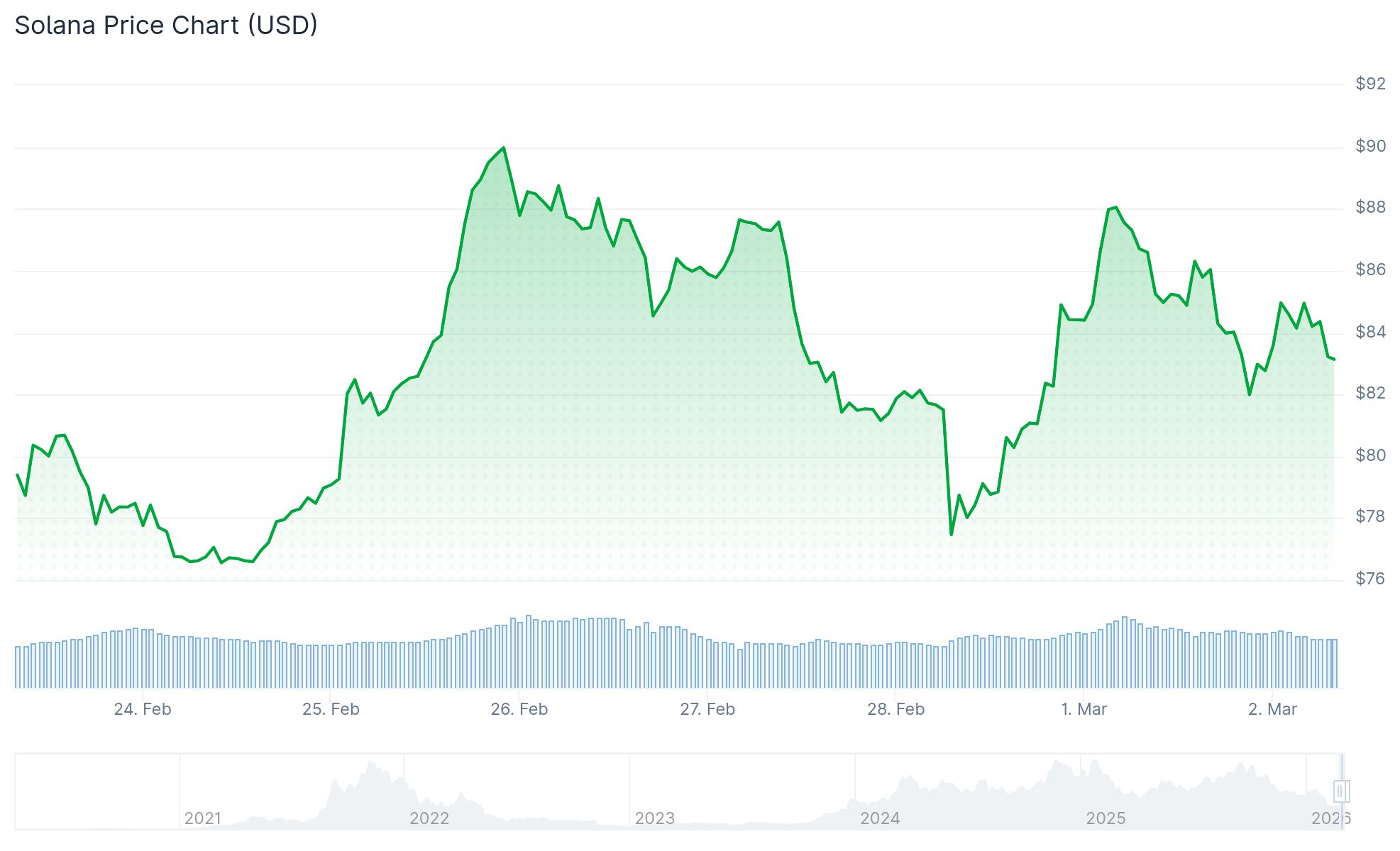
Solana (SOL) Price: Is a Breakout Coming After Four Weeks Stuck in the Same Range?

Solana (SOL) Price: Is a Breakout Coming After Four Weeks Stuck in the Same Range?

TLDR Solana (SOL) has traded in a tight $77–$88 range for nearly four weeks with no clear trend direction US spot Solana ETFs recorded over $44 million in weekly
Share
Coincentral2026/03/02 15:55
South Africa Tax Collector Deploys New Tech to Track Crypto and Offshore Assets

South Africa Tax Collector Deploys New Tech to Track Crypto and Offshore Assets

The post South Africa Tax Collector Deploys New Tech to Track Crypto and Offshore Assets appeared on BitcoinEthereumNews.com. South African crypto-asset service
Share
BitcoinEthereumNews2026/03/02 16:33
Crypto Futures Liquidation: Unpacking the Stunning $105 Million Market Shock

Crypto Futures Liquidation: Unpacking the Stunning $105 Million Market Shock

BitcoinWorld Crypto Futures Liquidation: Unpacking the Stunning $105 Million Market Shock The cryptocurrency market just experienced a sudden jolt, with a staggering $105 million worth of futures liquidated in a single hour. This dramatic event, part of a larger $311 million wipeout over the past 24 hours, has sent ripples across major exchanges. For many traders, this recent wave of crypto futures liquidation serves as a stark reminder of the inherent volatility and risks associated with leveraged trading in digital assets. What Exactly is Crypto Futures Liquidation? Understanding what happened requires a quick look at futures trading. A crypto futures contract is essentially an agreement to buy or sell a cryptocurrency at a predetermined price on a specified future date. Traders use these contracts to speculate on future price movements without owning the underlying asset. Leverage Amplifies Gains and Losses: Many traders utilize leverage, which means they borrow funds to increase their trading position beyond their initial capital. While leverage can magnify profits, it also significantly amplifies potential losses. Margin Calls and Forced Selling: When the market moves against a leveraged position, a trader’s margin (the collateral they put up) might fall below a required threshold. This triggers a “margin call,” where they need to add more funds. If they fail to do so, the exchange automatically closes their position to prevent further losses – this forced closure is known as crypto futures liquidation. The Recent $105 Million Crypto Futures Liquidation: What Triggered It? The recent surge in crypto futures liquidation, particularly the rapid $105 million in one hour, indicates a sharp and unexpected price movement. While the exact catalyst can be complex, such rapid liquidations often occur during: Sudden Price Swings: A rapid upward or downward movement in a major cryptocurrency’s price can quickly push many leveraged positions into unprofitable territory, leading to widespread liquidations. Market-Wide Sentiment Shifts: Unexpected news, regulatory announcements, or macroeconomic data can trigger a sudden shift in market sentiment, causing a cascade of selling or buying pressure. Over the past 24 hours, the total figure climbed to $311 million, highlighting a period of sustained volatility that caught many leveraged traders off guard. Why Does Leverage Play a Crucial Role in Futures Liquidation? Leverage is a double-edged sword. It allows traders to control large positions with relatively small amounts of capital. However, even a minor price fluctuation can have a significant impact on highly leveraged positions. When the market moves contrary to a trader’s bet, their equity can diminish rapidly. This is where the automatic liquidation mechanism kicks in. Exchanges implement this system to protect themselves and other traders from excessive losses. It ensures that a trader’s losses do not exceed their collateral, but it also means positions can be closed unexpectedly and quickly, contributing to the dramatic numbers seen in the recent crypto futures liquidation event. Navigating the Volatility: How Can Traders Prepare for Futures Liquidation Events? For those involved in or considering crypto futures trading, understanding and managing risk is paramount. The recent crypto futures liquidation serves as a powerful lesson. Here are some actionable insights: Use Lower Leverage: While tempting, high leverage dramatically increases risk. Opting for lower leverage significantly reduces the chance of premature liquidation. Implement Stop-Loss Orders: These orders automatically close a position if the price reaches a predetermined level, limiting potential losses before a full liquidation occurs. Manage Position Sizing: Never allocate too much of your portfolio to a single trade, especially a leveraged one. Diversification and responsible position sizing are key. Stay Informed: Keep abreast of market news, technical analysis, and global economic factors that could influence cryptocurrency prices. Beyond the Headlines: What Does This Mean for the Broader Crypto Market? While large-scale crypto futures liquidation events can be unsettling, they are a regular, albeit dramatic, feature of highly leveraged markets. Often, such events can “cleanse” the market of over-leveraged positions, potentially paving the way for more stable price action in the short term. However, they also underscore the need for caution and robust risk management practices, especially for new traders entering the volatile world of crypto futures. The recent $105 million liquidation is a stark reminder that while opportunities abound in crypto, so do significant risks. It emphasizes the importance of understanding the tools you’re using, especially leverage, and trading responsibly to protect your capital. Stay informed, manage your risks, and approach the market with a clear strategy. Frequently Asked Questions About Crypto Futures Liquidation Q1: What is the primary cause of crypto futures liquidation? A1: The primary cause is typically a sudden and significant price movement in the underlying cryptocurrency that goes against a trader’s leveraged position, causing their margin to fall below the exchange’s required maintenance level. Q2: How can traders avoid liquidation in futures trading? A2: Traders can reduce their risk of liquidation by using lower leverage, setting stop-loss orders to automatically close positions at a certain loss level, managing their position sizes responsibly, and continuously monitoring market conditions. Q3: Does liquidation only happen with leveraged positions? A3: Yes, liquidation specifically refers to the forced closure of a leveraged position when the trader’s collateral (margin) is insufficient to cover potential losses. Spot trading, where you own the asset outright, does not involve liquidation in the same manner. Q4: Is a crypto futures liquidation event bad for the entire market? A4: While immediate liquidations can cause further price volatility and negatively impact sentiment, some analysts view them as a “cleansing” event that removes excessive leverage from the market, potentially leading to a healthier, more stable environment in the long run. However, it certainly signifies a period of heightened risk. Q5: What is the difference between a margin call and liquidation? A5: A margin call is a notification from the exchange that your margin level is too low and you need to deposit more funds to maintain your position. Liquidation is what happens if you fail to meet that margin call; the exchange automatically closes your position to prevent further losses. Understanding market dynamics like crypto futures liquidation is crucial for navigating the cryptocurrency space. If you found this article insightful, please share it with your network on social media to help others better understand these significant market events and trade more responsibly. To learn more about the latest crypto market trends, explore our article on key developments shaping Bitcoin price action. This post Crypto Futures Liquidation: Unpacking the Stunning $105 Million Market Shock first appeared on BitcoinWorld.
Share
Coinstats2025/09/19 23:40