In today’s fast-moving digital economy, many payment methods have evolved, yet traditional paper-based transactions still hold relevance. Among these, bank checksIn today’s fast-moving digital economy, many payment methods have evolved, yet traditional paper-based transactions still hold relevance. Among these, bank checks

A Complete Guide to Bank Checks: Uses, Benefits, and Security Tips

2026/02/22 23:44
4 min read

In today’s fast-moving digital economy, many payment methods have evolved, yet traditional paper-based transactions still hold relevance. Among these, bank checks continue to serve as a secure and traceable way to transfer money for personal and business purposes. While electronic payments dominate everyday transactions, checks remain valuable in specific financial situations where documentation, control, and verification are essential.

What Are Bank Checks?

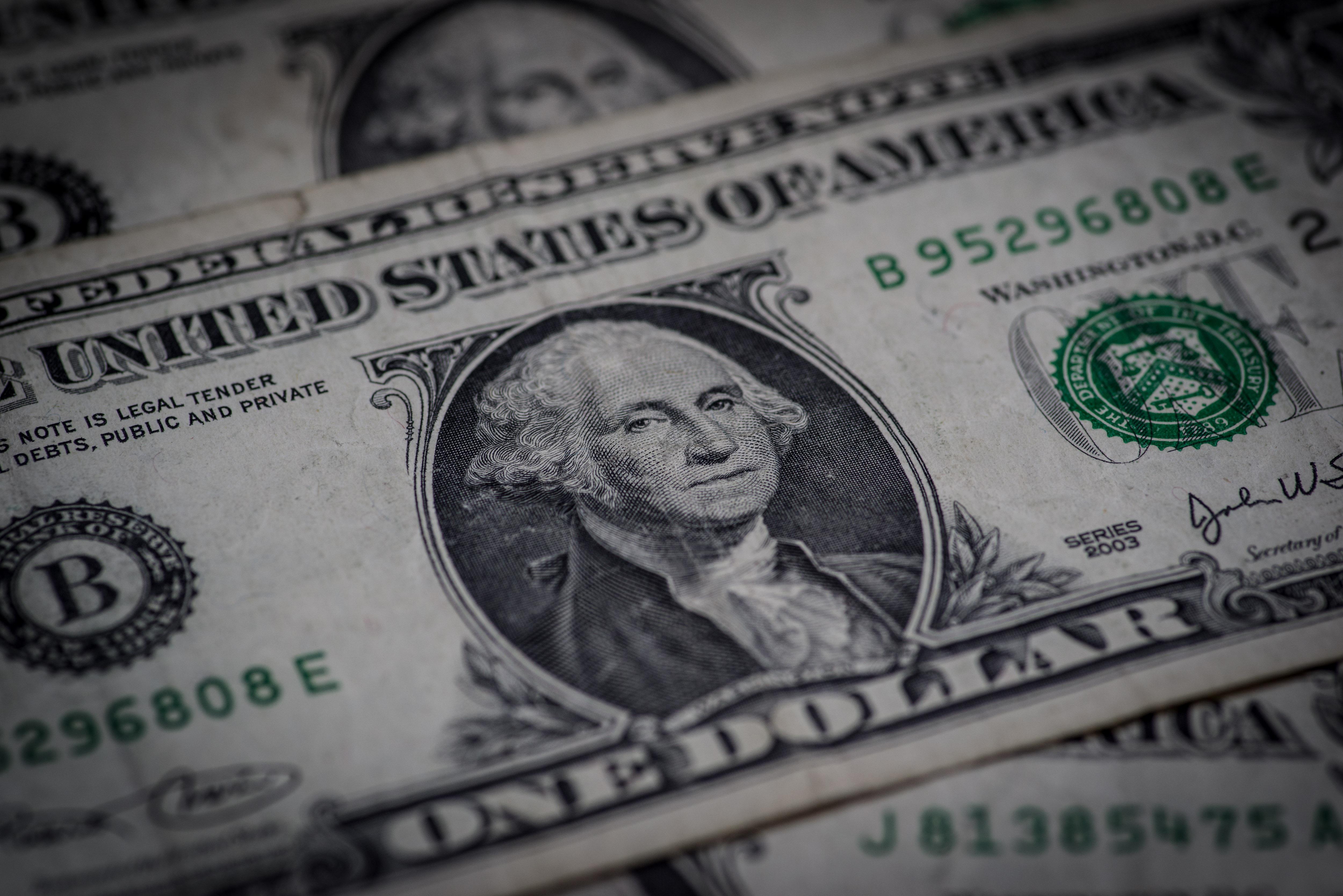
Bank checks are written payment orders directing a financial institution to pay a specified amount from the issuer’s account to a named recipient. Unlike cash, they provide a paper trail that records the payer, payee, amount, and date of transaction. This documentation is particularly useful for accounting, tax reporting, and dispute resolution.
A Complete Guide to Bank Checks: Uses, Benefits, and Security Tips

They are commonly used for rent payments, large purchases, contractor fees, and transactions where digital payment options may not be preferred or available. Because they are processed through regulated financial institutions, they offer an added layer of legitimacy and accountability.

How Checks Work

The process begins when the account holder fills out a check with the recipient’s name, payment amount (both in numbers and words), date, and signature. Once deposited, the recipient’s bank verifies the details and clears the funds from the issuer’s account.

Modern clearing systems often digitize the check image for faster processing. This reduces the time it takes for funds to transfer between institutions, although some transactions may still require additional verification for large amounts.

Types of Checks You Should Know

Different situations call for different types of checks. Some of the most common include:

  • Personal Checks – Linked directly to an individual’s checking account.

  • Cashier’s Checks – Guaranteed by the issuing bank, often used for large transactions like property purchases.

  • Certified Checks – Verified by the bank to confirm sufficient funds are available.

  • Business Checks – Issued from a corporate account for operational expenses.

Each type offers varying levels of security and assurance depending on the transaction size and risk involved.

Advantages of Using Checks

Despite the popularity of digital wallets and transfers, checks offer several advantages:

1. Clear Paper Trail

They create a documented record of payment, which is useful for audits and financial tracking.

2. Payment Control

Unlike automatic digital transfers, the issuer controls when the recipient deposits the check.

3. Security for Large Transactions

For significant purchases, such as vehicles or real estate, certified or cashier’s checks reduce the risk of insufficient funds.

4. Widely Accepted

Even institutions like Internal Revenue Service and major banks such as Bank of America still accept checks for various payments.

Potential Drawbacks

While checks offer reliability, they also have limitations:

  • Processing times can be slower compared to instant transfers.

  • There is a risk of loss or theft if not handled securely.

  • Insufficient funds may cause payments to bounce, leading to penalties.

  • Manual entry errors can delay transactions.

Understanding these risks helps individuals and businesses implement safeguards, such as secure storage and timely account monitoring.

Security Tips for Safer Transactions

To minimize fraud and errors, consider the following precautions:

  • Always use permanent ink to prevent alterations.

  • Avoid leaving blank spaces on the payment line.

  • Reconcile your bank statements regularly.

  • Store unused checks in a secure location.

  • Report lost or stolen checks immediately to your financial institution.

Additionally, businesses can adopt check verification services to confirm account validity before accepting payments.

Checks in the Digital Era

Financial technology has modernized how checks are processed. Many banks now offer mobile deposit features, allowing customers to scan and submit checks through secure apps. Institutions like Wells Fargo and Chase Bank provide remote deposit capture, significantly reducing the need to visit physical branches.

Although digital transfers are faster, checks remain relevant in industries where formal documentation and guaranteed payments are required. Real estate, legal settlements, and government transactions frequently rely on certified instruments.

When to Choose Checks Over Digital Payments

Checks may be preferable when:

  • Making large, one-time purchases

  • Paying individuals who do not use digital platforms

  • Requiring formal proof of payment

  • Conducting transactions that demand bank-backed guarantees

By selecting the right payment method for each scenario, individuals and businesses can balance convenience with security.

Conclusion

While electronic payment systems continue to grow, bank checks maintain their importance in modern finance. They provide traceability, control, and reliability for a range of transactions. By understanding how they work, recognizing their advantages and limitations, and applying proper security practices, users can confidently integrate checks into their broader financial strategy.


Comments
Disclaimer: The articles reposted on this site are sourced from public platforms and are provided for informational purposes only. They do not necessarily reflect the views of MEXC. All rights remain with the original authors. If you believe any content infringes on third-party rights, please contact service@support.mexc.com for removal. MEXC makes no guarantees regarding the accuracy, completeness, or timeliness of the content and is not responsible for any actions taken based on the information provided. The content does not constitute financial, legal, or other professional advice, nor should it be considered a recommendation or endorsement by MEXC.

You May Also Like

CEO Sandeep Nailwal Shared Highlights About RWA on Polygon

CEO Sandeep Nailwal Shared Highlights About RWA on Polygon

The post CEO Sandeep Nailwal Shared Highlights About RWA on Polygon appeared on BitcoinEthereumNews.com. Polygon CEO Sandeep Nailwal highlighted Polygon’s lead in global bonds, Spiko US T-Bill, and Spiko Euro T-Bill. Polygon published an X post to share that its roadmap to GigaGas was still scaling. Sentiments around POL price were last seen to be bearish. Polygon CEO Sandeep Nailwal shared key pointers from the Dune and RWA.xyz report. These pertain to highlights about RWA on Polygon. Simultaneously, Polygon underlined its roadmap towards GigaGas. Sentiments around POL price were last seen fumbling under bearish emotions. Polygon CEO Sandeep Nailwal on Polygon RWA CEO Sandeep Nailwal highlighted three key points from the Dune and RWA.xyz report. The Chief Executive of Polygon maintained that Polygon PoS was hosting RWA TVL worth $1.13 billion across 269 assets plus 2,900 holders. Nailwal confirmed from the report that RWA was happening on Polygon. The Dune and https://t.co/W6WSFlHoQF report on RWA is out and it shows that RWA is happening on Polygon. Here are a few highlights: – Leading in Global Bonds: Polygon holds 62% share of tokenized global bonds (driven by Spiko’s euro MMF and Cashlink euro issues) – Spiko U.S.… — Sandeep | CEO, Polygon Foundation (※,※) (@sandeepnailwal) September 17, 2025 The X post published by Polygon CEO Sandeep Nailwal underlined that the ecosystem was leading in global bonds by holding a 62% share of tokenized global bonds. He further highlighted that Polygon was leading with Spiko US T-Bill at approximately 29% share of TVL along with Ethereum, adding that the ecosystem had more than 50% share in the number of holders. Finally, Sandeep highlighted from the report that there was a strong adoption for Spiko Euro T-Bill with 38% share of TVL. He added that 68% of returns were on Polygon across all the chains. Polygon Roadmap to GigaGas In a different update from Polygon, the community…
Share
BitcoinEthereumNews2025/09/18 01:10
Shocking Kenya Token Scam Takes Over Crypto Twitter

Shocking Kenya Token Scam Takes Over Crypto Twitter

The post Shocking Kenya Token Scam Takes Over Crypto Twitter appeared on BitcoinEthereumNews.com. Kenya’s former Prime Minister was apparently hacked to promote a scam token project. The announcement post on his X profile was deleted, and its video was almost certainly a deepfake. The project’s name and branding closely resemble another semi-official project with glaring red flags. This confusing quagmire raises many remaining questions. Sponsored Sponsored What is Kenya Token? Kenya has an underrated presence in the international crypto community, with pockets of grassroots adoption and major business partnerships conducted by the government. However, the new “Kenya Token” apparently tried to profit from this situation rather than contribute to it. Faked Kenya Token Announcement. Source: X Raila Odinga, the country’s former Prime Minister, was apparently hacked to announce the Kenya Token project. Soon after, though, it was removed, prompting concerns about a hack. Comparing the accompanying video to Odinga’s actual speaking voice, it seems extremely likely that this post was an AI-generated deepfake. The scam may have fallen apart, but there are many unanswered questions. These red flags could be an important lesson, especially as scam prevention techniques are failing the community. Who’s Behind This Scam? Sponsored Sponsored For example, analysts discovered a massive level of insider bundling with Kenya Digital Token (KDT). This is a totally separate asset apparently endorsed by sitting government officials, so the scam project may have tried to piggyback on KDT’s branding. Even this semi-official project was covered in red flags, however. Immediately after one KDT wallet conducted a TGE, 141 other accounts sniped 20% of the total supply. The site marketed these tokens as “locked for the people,” but they’re in private hands. Kenya Digital Token (KDT) is heavily bundled 150 connected addresses own 20% of the supply – worth $60M “Locked for the people” pic.twitter.com/vCVtq1WCRc — Bubblemaps (@bubblemaps) July 11, 2025 This led the community to…
Share
BitcoinEthereumNews2025/09/19 06:40
Gold rises to near $5,100 as Trump’s tariffs boost haven demand, US-Iran talks eyed

Gold rises to near $5,100 as Trump’s tariffs boost haven demand, US-Iran talks eyed

The post Gold rises to near $5,100 as Trump’s tariffs boost haven demand, US-Iran talks eyed appeared on BitcoinEthereumNews.com. Gold price (XAU/USD) edges higher
Share
BitcoinEthereumNews2026/02/23 07:49