The best rakeback poker sites are not necessarily the ones with the highest cashback rates, but those with requirements that are easy for all players to meet. After all, what’s the point of a generous rakeback if the conditions are unrealistic? So the most reliable poker sites focus more on achievable targets that incentivize consistent […]The best rakeback poker sites are not necessarily the ones with the highest cashback rates, but those with requirements that are easy for all players to meet. After all, what’s the point of a generous rakeback if the conditions are unrealistic? So the most reliable poker sites focus more on achievable targets that incentivize consistent […]

Where Poker Grinders Can Enjoy Lucrative Cashback Deals – Best Rakeback Poker Sites in 2025

The best rakeback poker sites are not necessarily the ones with the highest cashback rates, but those with requirements that are easy for all players to meet.

After all, what’s the point of a generous rakeback if the conditions are unrealistic? So the most reliable poker sites focus more on achievable targets that incentivize consistent gameplay rather than high-volume grinding. 

This approach keeps players engaged, motivated, and eager to hit the tables. In this article, we try to explain what rakeback is, the main types available, and how to find the best cashback deals to boost returns. 

What is Rakeback?

Rakeback is a system that refunds a percentage of the rake paid by players, either in cash, site credits, or tokens.

For those just stepping into the online poker market, rake is a tiny commission that poker rooms charge; it is often deducted from tournament registration fees or as a percentage of each pot.
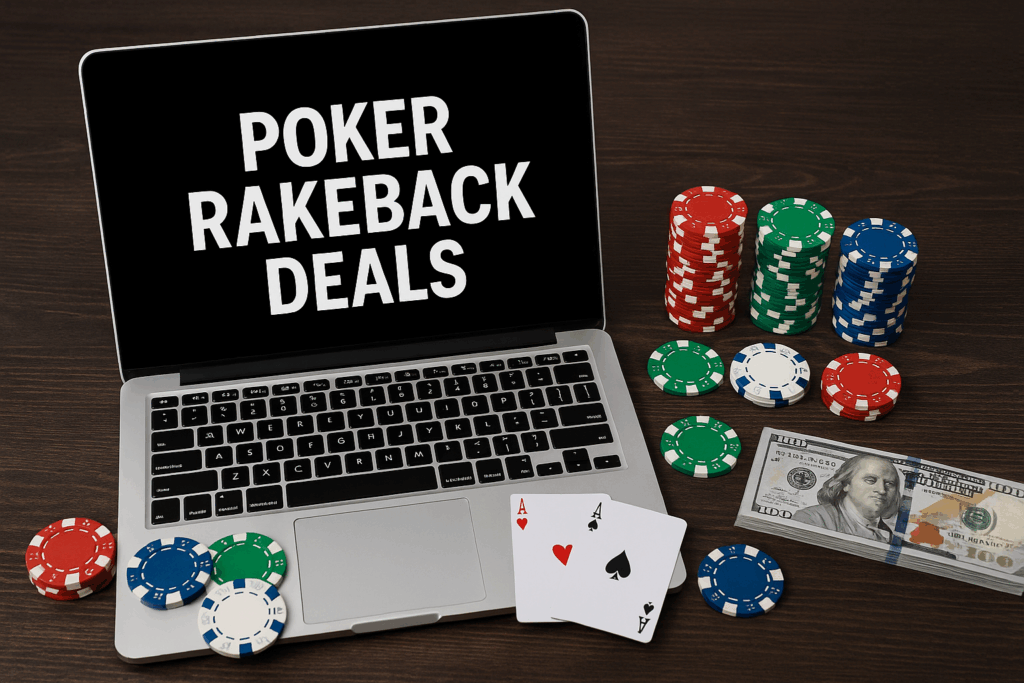
While some rooms follow the “no flop, no drop” rule, meaning no rake is collected if a hand finishes before the flop, others employ different strategies, such as time-based fees.

Returning a portion of what players paid in rake reduces the overall cost of playing and increases the value they receive from each game.

Types of Rakeback

Poker sites use different methods to return rake, and the structure can greatly affect a player’s earnings. Some reward direct pot contribution, while others spread rakeback evenly or tie it to loyalty programs. Understanding how each works enables players to choose the system that best suits their style of play. Here are the different types of rakeback available:

  • Contributed Rakeback: It rewards players based on the amount they put into a pot.
  • Dealt Rakeback: Here, every player who is dealt cards gets an equal share, regardless of how much they contributed.
  • Shared Rakeback: Under this system, only players who contribute chips to the pot get a share of the rake.
  • Flat Percentage: This method ensures that every player receives the same cashback, regardless of volume. 
  • Tiered (VIP) Rakeback: This rakeback structure scales up as players climb through tiered loyalty levels, making it ideal for high-volume grinders. 
  • Progressive Rakeback & Races: It offers extra rewards through leaderboards or milestones, appealing to competitive players.
  • Tournament Rakeback: In this model, tournament specialists get constant rebates on entry fees.

How to Maximise Rakeback in Online Poker

Maximising rakeback starts with understanding the system used by a site. Some reward structures are designed for high-volume players, while others are better suited for casual play. Players who fold frequently may gain more from a dealt rakeback, whereas high-volume players benefit most from contributed or progressive systems.

Meanwhile, tracking rakes and payouts is important. Most platforms provide built-in tools, while third-party trackers can also be employed to calculate the actual rewards. Players aiming to boost their rakeback bonuses should prioritize promotional offers and seasonal events such as rake races, challenges, or leaderboards. For consistent players, these extras can significantly increase overall rakeback.

Just as important is avoiding high rake games, even when a rakeback is offered. In practice, a site with lower rake and modest rebates can often be more rewarding. Therefore, an effective rakeback system is always about the balance between rake paid with cashback received.

Where to Find The Best Poker Rakeback Structure

CoinPoker is highly favored by both recreational players and serious grinders for offering a generous rakeback deal that’s hard to find anywhere else. The program is quite transparent with no hidden requirements, which is one reason it is easily accessible to all types of players, including micro-stakes grinders. 

Let’s unpack this: CoinPoker returns 33% of the total rake directly into players’ accounts every Monday. The only condition for unlocking this weekly reward is playing at the tables with CHP, the platform’s native token. The reimbursement is automatic as long as players meet the requirement, earning it a spot among the best rakeback poker sites in 2025.

But here’s the deal: the more hands a player plays, the more cashback they earn, helping to keep the bankroll stronger during losing streaks and stretching profits during upswings. And for consistent players at the CoinPoker tables, the weekly 33% reimbursement can serve as a steady income stream that helps soften the variance of their game. 

What further complements this lucrative rakeback deal is the platform’s 150% welcome bonus of up to $2,000, effectively boosting new players’ starting balance and encouraging consistent play. Regarded as one of the easiest-to-meet match bonuses in online poker history, CoinPoker’s welcome package requires only a minimum deposit of $10 to qualify. The bonus is paid in 10% installments, with a 2x wagering requirement. 

In addition to its cashback structure and associated bonuses, CoinPoker also turns heads with its diverse game variants, ranging from Pot-Limit Omaha and Card Pot Limit Omaha to No Limit Texas Hold’em. Thankfully, these game options are available across all formats and stakes levels, a notable feat that continues to keep the tables busy. 

As a matter of fact, the platform is currently hosting an epic four-hour cash game leaderboard with a $12,000 prize pool. The contest runs six times a day, giving grinders the chance to win more cash in less time.   

The exclusive competition covers all variants that players adore, from real-money NLHE and PLO to 5PLO, all streamlined into a single unified leaderboard. Daily, weekly, and monthly tournaments also come in handy, giving players more ways to boost their winnings and stay engaged. 

There are also special events, like the ongoing CoinMasters series, offering a $250,000 prize pool, including a $100,000 poker career package for the winner. Payments can be made in crypto and fiat, and the platform is powered by a provably fair, decentralized RNG, ensuring a safe, transparent experience everyday. 

New beginners aiming to perfect their skills can join the Discord community or follow its official YouTube channel to catch highlights from various nosebleed battles. 

What to Consider Before Choosing The Best Rakeback Poker Sites

When hunting for the best rakeback poker sites, it is crucial to look beyond the advertised percentage. Players should focus on how clear the terms are and how easy it is to meet the requirements.

Some platforms have hidden terms, strict volume thresholds, or mandatory opt-ins that limit the real benefit. To address this, let’s highlight some of the key tips for choosing the best rakeback poker sites. 

  • Clarity of Conditions: Look beyond the advertised percentage. Many sites have hidden terms, strict play requirements, or opt-ins that reduce actual rewards. However, a few standout options like CoinPoker distinguish themselves from the crowd by offering an attractive rakeback percentage with no hidden requirements involved. All that’s required is to play any of the supported poker variants using its native token CHP. 
  • Form of Payment and Payout Schedule: Rakeback may be credited in cash, tokens, or site credits, so players should choose a site that pays in a form that matches their playing style. Payout frequency also matters: weekly payments are generally easier to manage than delayed monthly credits. CoinPoker, for instance, pays 33% rakeback weekly, giving players a fresh boost at the start of every week. 
  • Effective Value and Long-Term Reliability: A site with lower rake and modest rakeback can be more profitable than one with higher rake and bigger rebates. Softer games also add more value than tougher fields with flashy offers. Players should also consider whether a platform has a history of paying rakeback consistently and maintaining sustainable policies.

Conclusion

Poker rakeback is a system designed to return part of the fees collected by poker rooms. From fixed percentages to tiered rewards programs, these incentives cater to different play styles and volumes.

This article covered what rakeback is, the main types offered, and where players can find the best cashback deals to maximize their returns. 

FAQs on Best Rakeback Poker Sites

What is rakeback in online poker?

Rakeback is a system that refunds a portion of the rake to players, either in cash, site credits, or tokens. 

Which is the best rakeback poker site for casual and serious grinders alike?

One of the best rakeback poker sites players can consider is CoinPoker. 

This article has been provided by one of our commercial partners and does not reflect Cryptonomist’s opinion. Please be aware our commercial partners may use affiliate programs to generate revenues through the links on this article.

Disclaimer: The articles reposted on this site are sourced from public platforms and are provided for informational purposes only. They do not necessarily reflect the views of MEXC. All rights remain with the original authors. If you believe any content infringes on third-party rights, please contact crypto.news@mexc.com for removal. MEXC makes no guarantees regarding the accuracy, completeness, or timeliness of the content and is not responsible for any actions taken based on the information provided. The content does not constitute financial, legal, or other professional advice, nor should it be considered a recommendation or endorsement by MEXC.

You May Also Like

Solana (SOL) Price: Is a Breakout Coming After Four Weeks Stuck in the Same Range?

Solana (SOL) Price: Is a Breakout Coming After Four Weeks Stuck in the Same Range?

TLDR Solana (SOL) has traded in a tight $77–$88 range for nearly four weeks with no clear trend direction US spot Solana ETFs recorded over $44 million in weekly
Share
Coincentral2026/03/02 15:55
South Africa Tax Collector Deploys New Tech to Track Crypto and Offshore Assets

South Africa Tax Collector Deploys New Tech to Track Crypto and Offshore Assets

The post South Africa Tax Collector Deploys New Tech to Track Crypto and Offshore Assets appeared on BitcoinEthereumNews.com. South African crypto-asset service
Share
BitcoinEthereumNews2026/03/02 16:33
Crypto Futures Liquidation: Unpacking the Stunning $105 Million Market Shock

Crypto Futures Liquidation: Unpacking the Stunning $105 Million Market Shock

BitcoinWorld Crypto Futures Liquidation: Unpacking the Stunning $105 Million Market Shock The cryptocurrency market just experienced a sudden jolt, with a staggering $105 million worth of futures liquidated in a single hour. This dramatic event, part of a larger $311 million wipeout over the past 24 hours, has sent ripples across major exchanges. For many traders, this recent wave of crypto futures liquidation serves as a stark reminder of the inherent volatility and risks associated with leveraged trading in digital assets. What Exactly is Crypto Futures Liquidation? Understanding what happened requires a quick look at futures trading. A crypto futures contract is essentially an agreement to buy or sell a cryptocurrency at a predetermined price on a specified future date. Traders use these contracts to speculate on future price movements without owning the underlying asset. Leverage Amplifies Gains and Losses: Many traders utilize leverage, which means they borrow funds to increase their trading position beyond their initial capital. While leverage can magnify profits, it also significantly amplifies potential losses. Margin Calls and Forced Selling: When the market moves against a leveraged position, a trader’s margin (the collateral they put up) might fall below a required threshold. This triggers a “margin call,” where they need to add more funds. If they fail to do so, the exchange automatically closes their position to prevent further losses – this forced closure is known as crypto futures liquidation. The Recent $105 Million Crypto Futures Liquidation: What Triggered It? The recent surge in crypto futures liquidation, particularly the rapid $105 million in one hour, indicates a sharp and unexpected price movement. While the exact catalyst can be complex, such rapid liquidations often occur during: Sudden Price Swings: A rapid upward or downward movement in a major cryptocurrency’s price can quickly push many leveraged positions into unprofitable territory, leading to widespread liquidations. Market-Wide Sentiment Shifts: Unexpected news, regulatory announcements, or macroeconomic data can trigger a sudden shift in market sentiment, causing a cascade of selling or buying pressure. Over the past 24 hours, the total figure climbed to $311 million, highlighting a period of sustained volatility that caught many leveraged traders off guard. Why Does Leverage Play a Crucial Role in Futures Liquidation? Leverage is a double-edged sword. It allows traders to control large positions with relatively small amounts of capital. However, even a minor price fluctuation can have a significant impact on highly leveraged positions. When the market moves contrary to a trader’s bet, their equity can diminish rapidly. This is where the automatic liquidation mechanism kicks in. Exchanges implement this system to protect themselves and other traders from excessive losses. It ensures that a trader’s losses do not exceed their collateral, but it also means positions can be closed unexpectedly and quickly, contributing to the dramatic numbers seen in the recent crypto futures liquidation event. Navigating the Volatility: How Can Traders Prepare for Futures Liquidation Events? For those involved in or considering crypto futures trading, understanding and managing risk is paramount. The recent crypto futures liquidation serves as a powerful lesson. Here are some actionable insights: Use Lower Leverage: While tempting, high leverage dramatically increases risk. Opting for lower leverage significantly reduces the chance of premature liquidation. Implement Stop-Loss Orders: These orders automatically close a position if the price reaches a predetermined level, limiting potential losses before a full liquidation occurs. Manage Position Sizing: Never allocate too much of your portfolio to a single trade, especially a leveraged one. Diversification and responsible position sizing are key. Stay Informed: Keep abreast of market news, technical analysis, and global economic factors that could influence cryptocurrency prices. Beyond the Headlines: What Does This Mean for the Broader Crypto Market? While large-scale crypto futures liquidation events can be unsettling, they are a regular, albeit dramatic, feature of highly leveraged markets. Often, such events can “cleanse” the market of over-leveraged positions, potentially paving the way for more stable price action in the short term. However, they also underscore the need for caution and robust risk management practices, especially for new traders entering the volatile world of crypto futures. The recent $105 million liquidation is a stark reminder that while opportunities abound in crypto, so do significant risks. It emphasizes the importance of understanding the tools you’re using, especially leverage, and trading responsibly to protect your capital. Stay informed, manage your risks, and approach the market with a clear strategy. Frequently Asked Questions About Crypto Futures Liquidation Q1: What is the primary cause of crypto futures liquidation? A1: The primary cause is typically a sudden and significant price movement in the underlying cryptocurrency that goes against a trader’s leveraged position, causing their margin to fall below the exchange’s required maintenance level. Q2: How can traders avoid liquidation in futures trading? A2: Traders can reduce their risk of liquidation by using lower leverage, setting stop-loss orders to automatically close positions at a certain loss level, managing their position sizes responsibly, and continuously monitoring market conditions. Q3: Does liquidation only happen with leveraged positions? A3: Yes, liquidation specifically refers to the forced closure of a leveraged position when the trader’s collateral (margin) is insufficient to cover potential losses. Spot trading, where you own the asset outright, does not involve liquidation in the same manner. Q4: Is a crypto futures liquidation event bad for the entire market? A4: While immediate liquidations can cause further price volatility and negatively impact sentiment, some analysts view them as a “cleansing” event that removes excessive leverage from the market, potentially leading to a healthier, more stable environment in the long run. However, it certainly signifies a period of heightened risk. Q5: What is the difference between a margin call and liquidation? A5: A margin call is a notification from the exchange that your margin level is too low and you need to deposit more funds to maintain your position. Liquidation is what happens if you fail to meet that margin call; the exchange automatically closes your position to prevent further losses. Understanding market dynamics like crypto futures liquidation is crucial for navigating the cryptocurrency space. If you found this article insightful, please share it with your network on social media to help others better understand these significant market events and trade more responsibly. To learn more about the latest crypto market trends, explore our article on key developments shaping Bitcoin price action. This post Crypto Futures Liquidation: Unpacking the Stunning $105 Million Market Shock first appeared on BitcoinWorld.
Share
Coinstats2025/09/19 23:40