

SEC Signals Major Shift as Crypto Innovation Exemption Nears Release
The U.S. Securities and Exchange Commission is preparing to roll out a major policy change that could reshape how crypto assets operate in the country. SEC Chair Paul Atkins confirmed that the agency is close to releasing an Innovation Exemption framework aimed at supporting cryptocurrency development while keeping investor protections in place.
The update follows months of anticipation across the crypto and fintech sectors, which have long criticized the lack of clear regulatory pathways in the United States.
Speaking during a CNBC appearance from the New York Stock Exchange, Atkins said the exemption was delayed by the recent government shutdown but is now back on track. He indicated that the SEC expects to move forward within about a month. According to Atkins, the agency already has sufficient authority to act and does not need to wait for new legislation to begin shaping practical crypto rules.
However, Atkins unveiled the new policy as part of his overall vision: integrating U.S. capital markets with innovation. According to him, innovations such as crypto had been overlooked while they should have been steered by sensible and practical policies. He thinks that innovative markets need risks, fundraising, and rules, and this has been aiding the U.S. economy for more than 200 years.
Innovation Exemption and the Push for Modern Rules
The Innovation Exemption must now be able to offer crypto projects some regulatory freedom if they meet specific criteria. This way, they can grow without being affected by full-blown traditional securities regulations right off the bat. Though the specifics are still to be announced, one thing Atkins was clear about was that these regulations aren’t going away; rather, they are being updated.
He said that the SEC’s rule book also contains a lot of old rules that hinder new companies from raising funds. This is not only a problem for the cryptocurrency world. Atkins said that the number of publicly listed companies in the US is down by 40% compared with 30 years ago. The SEC wants to tackle this problem and make it easier for companies to go public.
However, crypto remains a crucial part of this. According to Atkins, America may find itself lagging behind the rest of Europe and Asia if the country doesn’t provide a clear plan regarding the innovation of cryptos. This is because other regions tend to look at America with envy in regard to the size, liquidity, or investment culture, which may fade if innovation continues to move elsewhere.
Capital Markets, Crypto, and Investor Protection
Atkins also spoke about concerns involving price guesswork, fast trading, and combining investment with gambling-like behavior. He admitted the dangers but stated that these could be managed through an effective regulatory framework. He feels that risk-taking is actually a spectrum that has always existed in the market.
How the SEC should regulate, according to Johnson, is by maintaining the efficiency of capital markets and, at the same time, keeping the basics protected. When applied to crypto, this means creating regulations necessary for good growth rather than placing something into possible illegal areas.
Also Read: Morgan Stanley Advances Crypto ETF Push With New Bitcoin And Solana Filings


You May Also Like
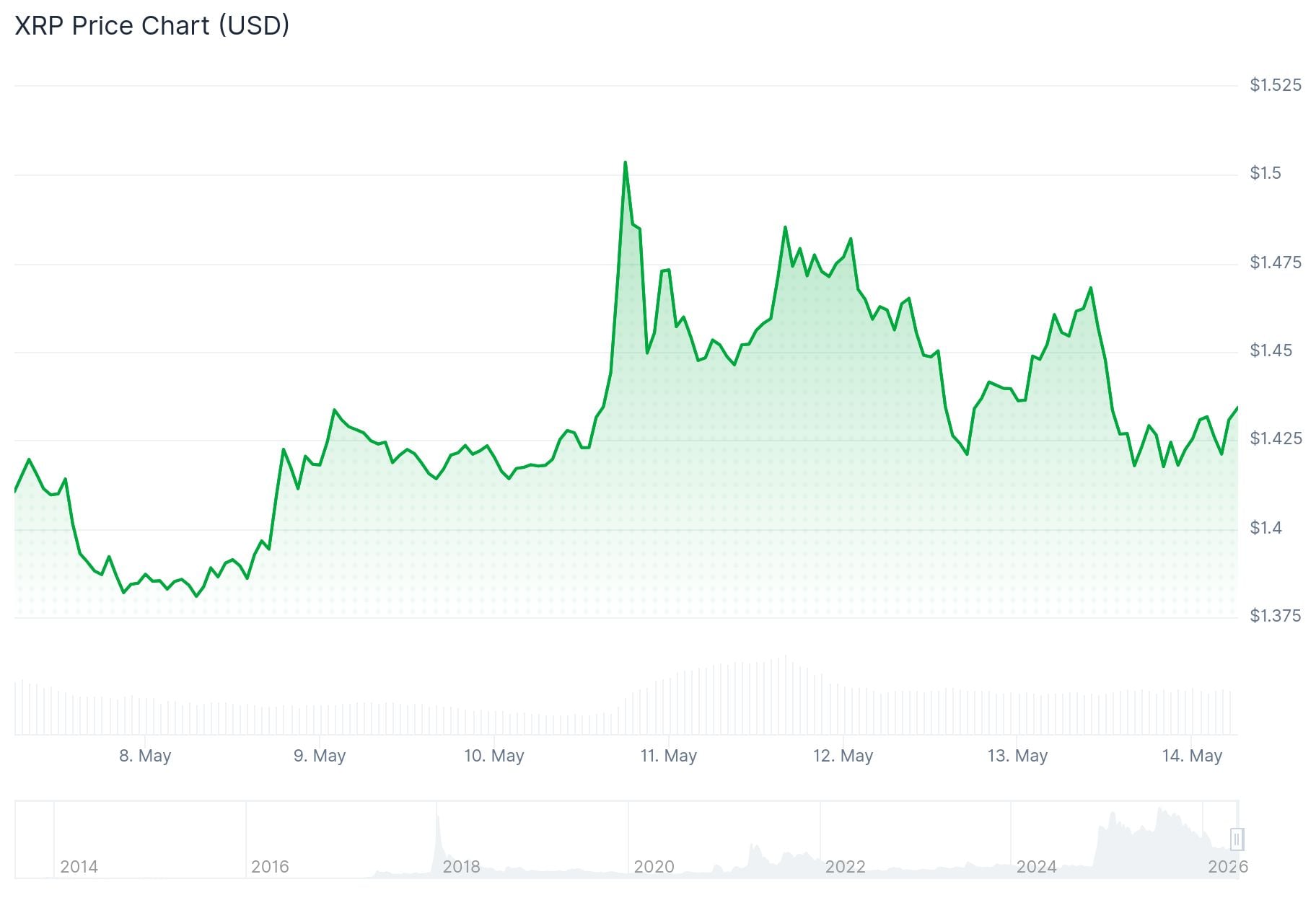
XRP Price: Whale Wallets Hit All-Time High as XRP Pulls Back

Moody’s: US banks map staged digitization, may reshape crypto rails




