

Was ist Toncoin (TON)?

Telegram wollte 2018 eine eigene Blockchain schaffen die schnell, skalierbar und direkt in den Messenger eingebaut wird. Nach juristischen Rückschlägen blieb nur der Code und eine Community, die daraus The Open Network formte. Heute ist TON ein eigenständiges System, das Transaktionen, Daten und Anwendungen in einer Architektur bündelt.
Inhaltsverzeichnis
- Entstehung und Hintergrund: Vom Telegram-Projekt zur TON-Foundation
- Technologie und Funktionsweise: Architektur, Konsens und Datenstruktur
- Ökosystem und Partnerschaften: Zahlungen, DeFi, NFTs und Mini-Apps
- Praktische Anwendungsfälle: Transaktionen, Anwendungen, Infrastruktur
- TON-Tokenomics: Verteilung, Anreize und Nutzung
- Toncoin 2025: Entwicklung, Skalierung und Ausblick
- Toncoin News
Entstehung und Hintergrund: Vom Telegram-Projekt zur TON-Foundation
Die Geschichte von TON beginnt 2018 mit der Entwicklung des Telegram Open Network. Der Messenger wollte eine Blockchain schaffen, die Millionen Nutzern Zugang zu Krypto-Zahlungen und digitalen Identitäten ermöglicht. Nach dem Stopp durch die US-Börsenaufsicht veröffentlichte Telegram den gesamten Code und übergab die Technologie an unabhängige Entwickler. Diese bauten das System unter dem Namen The Open Network weiter aus und gründeten später die TON Foundation, die heute die Governance, Protokollpflege und Community-Koordination übernimmt.
Die Foundation agiert dezentral, nutzt offene Abstimmungsmechanismen und hat eine klare Trennung zwischen Netzwerk und Unternehmen etabliert. Telegram unterstützt die Integration über Schnittstellen und Wallet-Funktionen, ohne selbst Kontrolle über die Blockchain zu besitzen. TON entwickelte sich dadurch zu einem eigenständigen Layer-1-Netzwerk mit eigenem technischen Stack und eigenem ökonomischen Modell.
Technologie und Funktionsweise: Architektur, Konsens und Datenstruktur
TON verwendet einen modifizierten Proof-of-Stake-Konsens mit Byzantine Fault Tolerance. Validatoren hinterlegen Toncoin, validieren Blöcke und sichern das Netzwerk gegen Manipulation. Der Konsensmechanismus wurde für hohe Parallelität optimiert und erlaubt extrem kurze Blockzeiten. Neue Blöcke werden innerhalb von Sekunden erzeugt, Validierungen laufen asynchron, was Reaktionszeiten unter einer Sekunde ermöglicht.
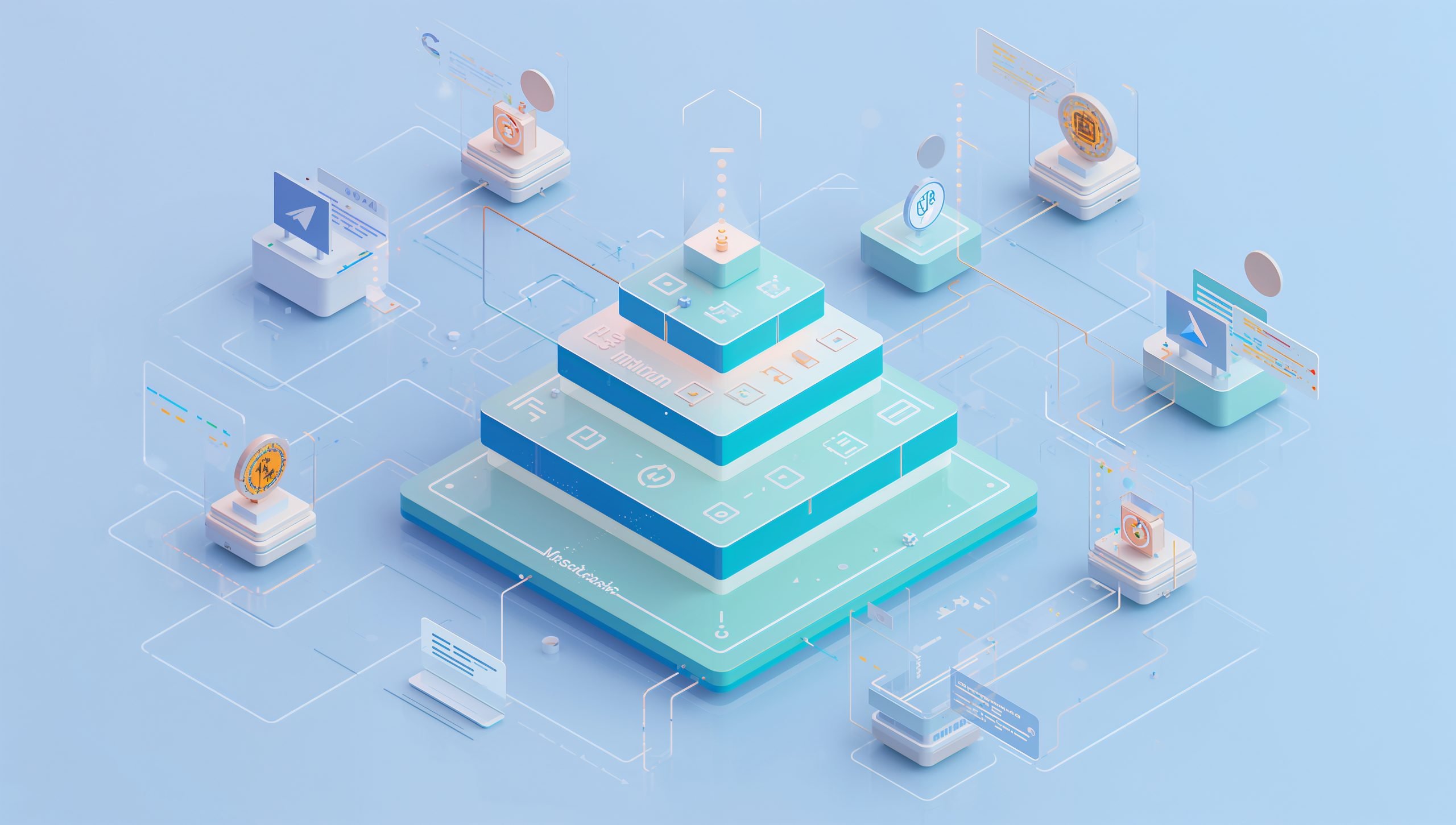
Das Herz des Netzwerks ist die dreischichtige Architektur aus MasterChain, WorkChains und ShardChains.
- Die MasterChain speichert Metadaten über das gesamte Netzwerk, Validator-Sets, Parameter und kryptografische Prüfsummen.
- WorkChains dienen als logisch getrennte Subnetzwerke, die unterschiedliche Protokollregeln, Smart-Contract-Formate oder native Assets definieren können.
- Jede WorkChain teilt sich in ShardChains, die Transaktionen parallel verarbeiten.
Das Ergebnis ist ein System, das horizontal skaliert und Last dynamisch verteilt. Shards können sich automatisch aufspalten, wenn das Transaktionsvolumen steigt, und später wieder zusammengeführt werden. Dadurch entsteht eine flexible Netzwerktopologie, die theoretisch mehr als 100 000 Transaktionen pro Sekunde verarbeiten kann.
Ein zentrales Element ist die TON Virtual Machine (TVM). Sie führt Smart Contracts in der eigens entwickelten Sprache FunC aus. Der Code wird in kompakten Binärstrukturen gespeichert, sogenannten cells, die rekursiv ineinander verschachtelt werden können. Diese Struktur reduziert Speicherverbrauch und Validierungsaufwand erheblich. Statt linearer Blockverweise speichert TON ganze Bäume von Zuständen, wodurch parallele Ausführungen und schnelle Zustandsprüfungen möglich sind.
Die Netzwerkknoten kommunizieren über ADNL (Abstract Datagram Network Layer) und RLDP (Reliable Large Data Protocol). Diese Protokolle ersetzen klassische TCP-Mechanismen und erlauben, große Datenmengen zwischen Validatoren effizient auszutauschen. Die Kombination aus diesen Layern macht TON zu einer eigenständigen, technisch konsistenten Architektur mit Fokus auf Geschwindigkeit, Fehlertoleranz und Modularität.
Vergleich der Netzarchitektur
| Netzwerk | Konsensmechanismus | Skalierungskonzept | Typische Blockzeit | Theoretische TPS |
| TON | Proof of Stake (BFT-basiert) | Dynamisches Sharding (Master-, Work-, ShardChains) | ~5 Sekunden | > 100 000 |
| Ethereum | Proof of Stake | Layer-2-Rollups, geplantes Sharding | ~12 Sekunden | ~15 (Mainnet) |
| Solana | Proof of History + PoS | Monolithisch | ~0,4 Sekunden | > 50 000 |
Die Architektur von TON verbindet die Parallelität eines Multi-Chain-Systems mit der Effizienz monolithischer High-Performance-Netzwerke. Alle Chains sind kryptografisch durch die MasterChain verknüpft, was eine globale Konsistenz ohne zentrale Instanz sicherstellt.
Ökosystem und Partnerschaften: Zahlungen, DeFi, NFTs und Mini-Apps
TON entwickelt sich zu einer Multi-Anwendungs-Plattform. Die größte Sichtbarkeit entsteht durch die Integration in Telegram. Das dort verfügbare Wallet nutzt direkt die TON-Blockchain, Transaktionen werden über Bots abgewickelt, Gebühren betragen meist weniger als einen Cent. Diese enge Verbindung erleichtert Onboarding und Massenadoption.
Im DeFi-Segment entstehen dezentrale Börsen wie TonSwap oder Lending-Protokolle mit klassischen Funktionen wie Liquiditätspools und Kreditvergabe. Auch ein wachsendes NFT-Ökosystem nutzt TON-Domains als handelbare digitale Identitäten. NFT-Marktplätze verwenden die TVM-Infrastruktur, um Metadaten on-chain zu speichern, was langfristige Integrität garantiert.
Das Netzwerk arbeitet mit Gaming- und Entertainment-Projekten zusammen, unter anderem mit Animoca Brands, um Web3-Spiele direkt in Mini-Apps zu integrieren. Diese Mini-Apps sind eigenständige Frontends, die Telegrams Oberfläche verwenden, während alle Transaktionen und Datenflüsse in der Blockchain liegen. So entsteht ein geschlossenes Ökosystem aus Kommunikation, Zahlung und Ownership.
Praktische Anwendungsfälle: Transaktionen, Anwendungen, Infrastruktur
Die Stärke von TON liegt in seiner technischen Anpassungsfähigkeit. Das Netzwerk kann Zahlungen, Smart Contracts, Tokenisierung und Datenspeicherung parallel abwickeln. Peer-to-Peer-Transfers laufen direkt über Chats, während Smart-Contracts-basierte Systeme komplexe Business-Logiken abbilden.
TON Storage erweitert die Blockchain um ein dezentrales Dateisystem, vergleichbar mit IPFS, jedoch eng mit der TVM verknüpft. Smart Contracts können direkt auf gespeicherte Daten zugreifen, ohne externe APIs zu benötigen. TON Proxy fungiert als Layer für anonyme Kommunikation und ermöglicht dApp-Zugriffe ohne zentrale Server. Diese Module machen TON zu einer Infrastruktur, die nicht nur Finanztransaktionen, sondern ganze Web-Anwendungen abbilden kann.
Für Entwickler steht ein vollständiges Toolset bereit: TON SDK, TonCenter API, Indexing-Services, Wallet-Bibliotheken und Browser-Erweiterungen. Damit lassen sich Mini-Apps, Bots oder Smart Contracts innerhalb weniger Minuten deployen.
Die Plattform eignet sich für Mikrozahlungen, Gaming-Assets, Identitätsverwaltung, Content-Monetarisierung und Web3-basierte Kommunikationsdienste. Durch die parallele Ausführung in Shards und die asynchrone Nachrichtenverarbeitung bleibt das Netzwerk auch bei hoher Last stabil.
TON-Tokenomics: Verteilung, Anreize und Nutzung
Toncoin ist die Recheneinheit für alle Operationen im Netzwerk. Das maximale Angebot liegt bei rund fünf Milliarden Coins. Etwa zwei Drittel befinden sich bereits im Umlauf, der Rest dient zur langfristigen Finanzierung von Netzwerk-Infrastruktur, Entwicklerförderung und Staking-Reserven.
Das Token-Modell kombiniert moderate Inflation mit stabilen Ertragsmechanismen. Neue Coins entstehen ausschließlich über Proof-of-Stake-Belohnungen. Die jährliche Emission liegt bei rund 0,6 Prozent. Validatoren und Delegatoren erhalten ihre Rewards in Toncoin, basierend auf Einsatz, Online-Zeit und Signatur-Beteiligung.
Strukturelle Übersicht
| Kategorie | Parameter | Beschreibung |
| Gesamtangebot | ~ 5 Mrd TON | festgelegt durch Genesis-Verteilung |
| Inflation | ~ 0,6 % p.a. | Ausgabe über PoS-Rewards |
| Staking-Rendite | 5–8 % p.a. | abhängig von Gesamt-Stake |
| Gas-Kosten | sehr niedrig | wenige Bruchteile eines Cents |
| Hauptfunktionen | Gebühren, Staking, Governance | Netzwerkanreiz und Sicherheit |
Toncoin 2025: Entwicklung, Skalierung und Ausblick
Die TON Foundation fokussiert sich aktuell auf drei technische Kernprojekte:
- TON Storage – dezentrale Datenspeicherung mit direkter Smart-Contract-Anbindung
- TON Proxy – verschlüsselter Zugriff auf dApps über Peer-to-Peer-Verbindungen
- TON Payments – ein Layer-2-ähnlicher Kanal für Off-Chain-Zahlungen mit finaler On-Chain-Abrechnung
Parallel wird das Validator-Netzwerk erweitert, um mehr geografische Dezentralisierung zu erreichen. Entwickler-Programme und Grants fördern Tools, die Mini-Apps, Wallets und dApps auf TON bauen.
Die Nutzung innerhalb von Telegram wächst stetig. Millionen registrierte Wallets generieren täglich Transaktionen. Gleichzeitig entstehen neue Use-Cases im Gaming-Sektor, in DeFi und im NFT-Handel. Technisch bleibt TON dabei ein Netzwerk mit klarer Zielrichtung: hohe Effizienz, niedrige Kosten, modulare Erweiterbarkeit.
Die Architektur zeigt, dass Blockchain nicht isoliert funktionieren muss. TON verbindet Netzwerkschichten, Kommunikationsprotokolle, Speichersysteme und ökonomische Anreize in einer kohärenten Struktur. Diese Kombination aus Performance und Integration macht das Projekt zu einem der technisch interessantesten Systeme im Web3.
Toncoin News
Am 2. Oktober 2025 meldete die TON Foundation den erfolgreichen Abschluss der Jetton 2.0-Implementierung im Mainnet. Die durchschnittliche Transaktionsgeschwindigkeit von Token-Transfers konnte um 214 Prozent gesenkt werden, während die Gasfees um 67 Prozent sanken. Zeitgleich wurde die Integration von LayerZero für Cross-Chain-Transfers aktiviert, wodurch TON-Assets erstmals nativ mit Ethereum- und BNB-Chain-Protokollen interagieren können.
Im September 2025 hat die TON Foundation die Mainnet-Aktivierung von TON Payments bekannt gegeben – einem Layer-2-Framework für Mikrotransaktionen, das über eine Million Off-Chain-Transfers pro Sekunde abwickeln kann. Das Update bringt sofortige Abrechnungskanäle für Telegram-Mini-Apps und Wallet-Integrationen, bei durchschnittlichen Gebühren von weniger als 0,0001 TON pro Transaktion. Gleichzeitig hat Tether die USDT-TON-Liquiditätspools auf DeDust und STON.fi erweitert.
]]>You May Also Like

Trump ally raises eyebrows with startling admission on Fox News: 'Cover-up isn't new'

South Korean Prosecutors Sell 320 Bitcoin for $21.5M After Hacker Returns Stolen Funds
