

Is Crypto.com Level Up Worth It? A Deep Dive for Traders and Cardholders

When Crypto.com retooled its loyalty stack into Level Up at the start of September 2025, it did more than rename a rewards page; it reshaped how the exchange tries to win customers. Level Up bundles trading, card and cash-yield perks into a single, tiered membership that you can access either by paying a subscription or by locking CRO for a fixed term. The headline: eligible members trade certain crypto and stocks with zero trading fees. It is a clear, consumer-friendly promise that also serves a strategic purpose.
What Level Up Actually Is
At its core, Level Up is a unified benefits program. Instead of scattered promos and separate stake-for-card schemes, Crypto.com put most of its consumer-facing benefits under one roof and made them available through two routes: a monthly/annual subscription or a CRO lockup that grants equivalent (or better) perks for a 12-month period.
Tiers range from Basic (free) up to Plus, Pro, and a VIP-style Private tier. Each step increases trading allowances, card cashback paid in CRO, and cash-yield returns:
- Plus ($4.99/month): Zero trading fees up to $20K/month; 4.5% p.a. on cash; 2.0% back in crypto on card spend; 0% foreign exchange fees.
- Pro ($29.99/month): Zero trading fees up to $50K/month; 5% p.a. on cash; 3.0% back in crypto on card spend; 0% foreign exchange fees.
- Private ($50K or $500K per annum): CRO lockup tier (12-month lockups) with the highest card cashback (4–6% back), 5.0% p.a. cash, and extra CRO lockup rewards (8.5%-9.5% CRO lockup rewards at a shown threshold). Private also lists “unlimited trading volume” and VIP-style extras.
The landing page and local Help pages emphasize that specific availability, rates and features are subject to local jurisdiction, issuer partners and product terms.
The Headline Perks You’ll Notice
If you use Crypto.com regularly, the features that actually move the needle are straightforward:
- Zero Trading Fees: There are no trading fees on an allowance of monthly trading volume (tier-dependent) or unlimited volume at the Private level, which can materially reduce costs for active traders.
- Card Rewards Paid in CRO: Plus and Pro show multi-percent back rates on card spending (the site lists examples like 2%–3% back for paid tiers, and up to 4–6% for the Private lockup tier).
- Cash Yield: Crypto.com advertises market-competitive APYs for idle fiat balances (the site shows up to 5% APY on cash).
- CRO Staking Yields and Earn Bonuses: Staking under the Level Up umbrella comes with enhanced CRO rewards and extra APY on fixed-term allocations for Private-level lockups. There is up to ~9.5% on CRO with a 12-month lock-in in certain configurations.
Those benefits are useful, but they’re also conditional: the exact cashback rate, cash-APY, and zero-fee limit depend on your country and the tier you select.
Why Crypto.com Built Level Up
Three pragmatic drivers explain the shift. First, simplicity: consolidating dozens of promotions into a single product makes marketing and user experience cleaner. Second, token utility: offering benefits either via subscriptions or CRO lockups nudges users toward holding CRO, which supports token economics if adoption scales.
Third, recurring revenue: subscriptions diversify the company’s income away from volatile trading fees. The combination is textbook product-and-token thinking; it aims to be attractive to users while aligning with corporate economics.
The Practical Tradeoffs for Users
Level Up isn’t an unconditional windfall; there are tradeoffs. If you’re an active trader or heavy card spender, the zero-fee trading and CRO cashback can produce real, tangible savings that outweigh a modest monthly fee or the opportunity cost of a CRO lockup.
But if you’re a casual user, the math can flip. Subscription fees or the risk of a six- to 12-month token lockup could easily exceed what you’d gain in rewards. There’s also legacy friction. Users who had older CRO lockups and grandfathered benefits reported confusion and, in some cases, reduced perks during migration to Level Up.
That sentiment shows up in community threads like Reddit and has cropped up in social discussions since launch. For anyone who already had benefits under the old model, the migration FAQ and the regional terms are must-reads.
Promotions and Early-adopter Incentives
Crypto.com didn’t just flip a switch; it pushed launch promotions: subscriber reward pools, CRO prize campaigns and limited-time bonuses tied to sign-ups and referrals. Those promotions make the first month or two especially lucrative for new members, which is likely intentional; short-term upside gets people to try the product and (it hopes) to stay.
How to Decide (a Quick Checklist)
If you’re thinking about joining Level Up, run a short, concrete test:
- Estimate your monthly card spend and annualize the CRO cashback you’d get at the tier you can realistically hold.
- Estimate your monthly trading volume and how much you’d save with zero-fee trades.
- Compare those two benefits to the subscription cost or the opportunity cost and risk of locking CRO for 12 months.
- Check the regional Level Up page and the migration FAQ if you’re a legacy user; the numbers differ by market.
Put simply, if the combined savings from trading + card + cash yield exceed the subscription/lockup cost in a reasonable time horizon, Level Up is worth it.
Final Thoughts
Level Up is a clear, sensible product evolution. It simplifies Crypto.com’s sprawling perks, puts a compelling consumer-facing promise (zero trading fees) front and center, and ties more value to CRO holdings, which is good product design for an exchange that also runs a token. But it also reintroduces choices (subscribe or stake), and it creates migration friction for existing users who feel they have lost something in the transition.


You May Also Like
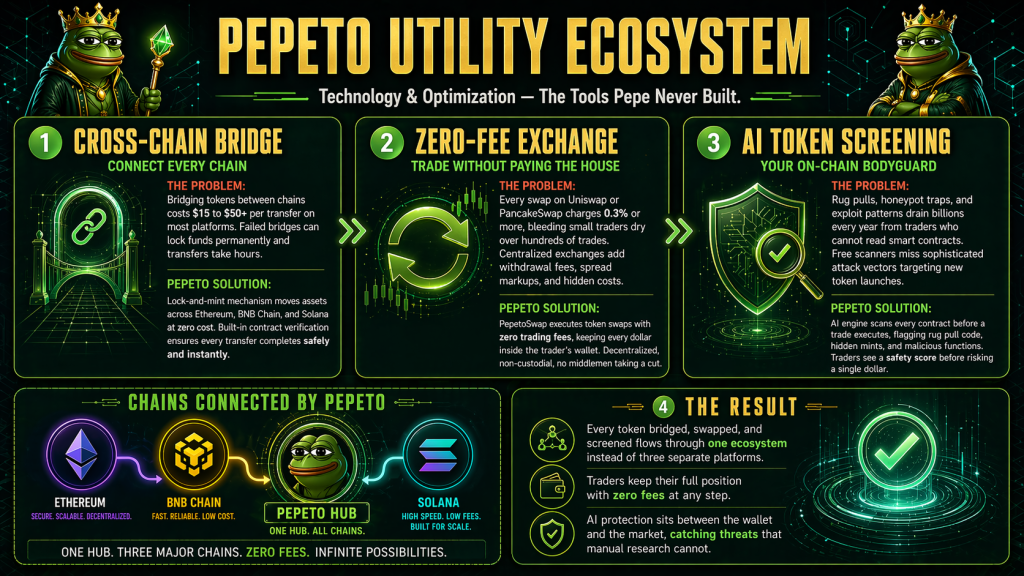
Which Are the Top 3 Cryptos to Buy Now as Solana Lands Mastercard and Pepeto Presale Nears Sold-Out Close
Ondas (ONDS) Stock Soars After Revenue Explodes Over 1,000% in Q1 2026




