

Hidilyn Diaz’s dream comes true as weightlifting earns regular Palaro status
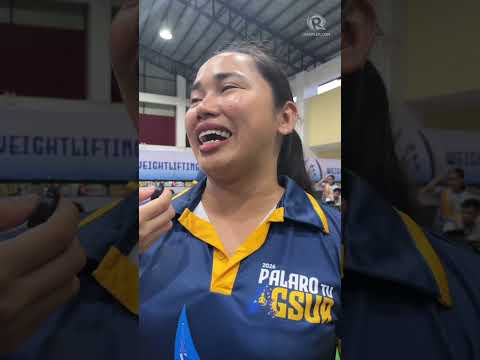
AGUSAN DEL SUR, Philippines – Hidilyn Diaz’s eyes lit up when she was asked about weightlifting’s inclusion as a regular sport in the 2026 Palarong Pambansa.
That showed how much it meant for Diaz for her sport to gain regular Palaro status, a dream that began a decade ago when she won a silver medal in the 2016 Rio de Janeiro Olympics.
“I’m happy. This was just a dream before. I used to just post on social media about my hopes for weightlifting to be included in the Palarong Pambansa. Now, it’s a reality,” said Diaz.
Diaz, the Philippines’ first-ever Olympic champion, pushed for weightlifting’s return to the Palaro as a demonstration sport in the 2025 Ilocos Norte edition, where she served as tournament director.
She is back as tournament director this year, and the competition has changed for the better.
One distinct upgrade is the huge LED scoreboard that shows the weightlifters’ successful and failed attempts, a major improvement from the single television monitor used last year.
“We’re so happy to see the athletes that they appreciate the venue, they appreciate the setup. They said it feels like a setup for an international event,” said Diaz.
The action matched the atmosphere.
Zamboanga Peninsula’s Adrian Bucol won this Palaro’s first weightlifting gold, ruling the secondary boys’ 48kg division at the Provincial Evacuation Center in Prosperidad here on Tuesday, May 26.
Bucol totaled 183kg off an 83kg snatch and a 100kg clean and jerk to outlast Calabarzon’s John Certh Cadag, who settled for silver with a 176kg total after coming up short on a 104kg clean and jerk that would have given him the gold.
The two hail from places close to Diaz’s heart.
Bucol is from Mampang, the same barangay in Zamboanga City where Diaz is also from, while Cadag is an athlete of Diaz’s HD Weightlifting Academy in Jalajala, Rizal.
“I’m happy to see them earn their medals. I know that they trained well and they pushed themselves to the limit,” said the Olympic champ.
For Diaz, weightlifting’s entry as a regular Palaro sport bodes well for its growth in the country.
“This is huge because before, only three or two regions participated in weightlifting. Now, there are 16 regions and we have 160 athletes. The sport is becoming more accessible,” she said.
“We’re giving an international-standard setup for weightlifting, so even here, the athletes already get used to what the international standard is. By the time they compete internationally, they won’t feel unfamiliar with it anymore because that’s the setup that we showed and gave them.” – Rappler.com


You May Also Like

Key admin official's job is on the ropes as Trump gripes she helped undercut him: report

OpenAI Faces Scrutiny as Civic Groups Question Sam Altman’s Investment Links

Ghana Ex-President-Linked CWU Token Faces Rug Pull Claims After Insider Sales


Trending News
More24/7 Live News
MoreQuick Reads
More
