Following President Trump’s state visit to the UK, a high-level roundtable was held at Downing Street, with UK Chancellor Rachel Reeves, US Treasury Secretary Scott Bessent, and leading figures in finance and crypto. Ripple also participated in this summit to help shape transatlantic digital asset policy. Ripple’s UK MD, Cassie Craddock, said “deeper US-UK collaboration can unlock global blockchain standards”. This comes as the UK and US launched a Transatlantic Taskforce for Markets of the Future. The US-UK Taskforce and Its Mandate The newly announced Transatlantic Taskforce for Markets of the Future, approved during Trump’s visit, is chaired by finance ministry officials from both countries. The task force includes regulators from both sides of the Atlantic. It has 180 days to produce recommendations on harmonising capital markets, digital assets and regulatory interoperability. One of the notable objectives is to reduce barriers for firms raising capital across borders. The US-UK task force will change how exchanges, issuers and markets operate between the UK and US, especially in crypto and tokenised markets. US-UK Taskforce Another focus is regulatory alignment in digital assets. The two governments want to create consistent frameworks for stablecoins, custody, cross border supervision and market conduct. Stakeholders expect coordinated rules to reduce uncertainty for industry players operating in both jurisdictions. Also read: Ripple Partners With Franklin Templeton and DBS on Institutional Token Lending Ripple’s Role and Position Ripple’s presence at the summit is significant. As a US-headquartered company with notable operations in the UK, Ripple is the bridge between the two markets. Craddock said’ “there is a huge opportunity for closer co-operation between the US and UK on digital assets”. She added “Ripple is well placed to leverage its transatlantic footprint to accelerate blockchain adoption in both markets”. Ripple has long advocated for regulatory clarity, stablecoin frameworks and tokenisation standards. In the UK, it recently proposed a four point plan to speed up crypto regulation, urging the UK not to fall behind jurisdictions like Singapore or Dubai. What it Could Mean If This Works Fist is Regulatory harmonisation. Rules that apply the same across both markets for crypto firms, stablecoins and tokenised securities. No more duplicative compliance and friction for companies operating in both jurisdictions. Next is Joint regulatory sandboxes or testing frameworks for digital assets. Shared environments where new fintech or blockchain products can pilot across borders under coordinated oversight. Third, access to capital may improve. With aligned rules, companies can raise funds in either market without costly legal and regulatory hurdles. US-UK Taskforce Finally, for Ripple and other blockchain companies, the clarity and alignment may lower risk, attract institutional participation and accelerate adoption across payments, DeFi and tokenization. Also read: Ripple Identifies 3 Key Drivers Behind Institutional Digital Asset Adoption Surge Conclusion Based on the latest research, the U.K.-U.S. crypto policy roundtable seems to be big. The creation of the UK-US Taskforce for Markets of the Future means they are going to harmonize frameworks across two of the world’s biggest financial jurisdictions. Ripple being part of those conversations, the potential is huge: lower barriers, less regulatory friction and mainstream crypto adoption. For in-depth analysis and the latest trends in the crypto space, our platform offers expert content regularly. Summary During President Trump’s September 2025 U.K. visit, Ripple joined U.S. and U.K. officials for a roundtable to deepen crypto policy cooperation. The U.S. and U.K. launched the Transatlantic Taskforce for Markets of the Future to align regulation, ease access to capital and harmonize digital asset frameworks.  Glossary Transatlantic Taskforce for Markets of the Future – U.S.-U.K. joint initiative launched to coordinate digital assets, capital markets and crypto policy. Regulatory alignment – Making policies or rules in different jurisdictions compatible to reduce friction for companies operating cross-border. Stablecoin regulation – Laws and frameworks governing digital tokens pegged to fiat or other assets; a area of divergence among jurisdictions. Policy coordination – Governments working together to align rules, enforcement, and strategy in a sector. Tokenization – Representing real-world assets as digital tokens on a blockchain Frequently Asked Questions About the US-UK Taskforce What’s the purpose of the US-UK taskforce? To harmonise digital asset regulation, simplify cross border capital market access and create shared frameworks for crypto infrastructure across the two jurisdictions. Why is Ripple involved? Ripple has operations and interests on both sides of the Atlantic and wants to shape regulation that benefits cross-border payments What’s the timeline for the US-UK task force? The US-UK taskforce will deliver recommendations in 180 days (March 2026). Full implementation of regulations and laws will take longer. How will this affect crypto companies? For companies that operate in US and UK markets, harmonisation will reduce compliance burden, lower barriers to entry and encourage more institutional capital into digital asset projects.   Read More: Trump’s UK Visit Sparks US-UK Digital Asset Taskforce With Ripple Involved">Trump’s UK Visit Sparks US-UK Digital Asset Taskforce With Ripple InvolvedFollowing President Trump’s state visit to the UK, a high-level roundtable was held at Downing Street, with UK Chancellor Rachel Reeves, US Treasury Secretary Scott Bessent, and leading figures in finance and crypto. Ripple also participated in this summit to help shape transatlantic digital asset policy. Ripple’s UK MD, Cassie Craddock, said “deeper US-UK collaboration can unlock global blockchain standards”. This comes as the UK and US launched a Transatlantic Taskforce for Markets of the Future. The US-UK Taskforce and Its Mandate The newly announced Transatlantic Taskforce for Markets of the Future, approved during Trump’s visit, is chaired by finance ministry officials from both countries. The task force includes regulators from both sides of the Atlantic. It has 180 days to produce recommendations on harmonising capital markets, digital assets and regulatory interoperability. One of the notable objectives is to reduce barriers for firms raising capital across borders. The US-UK task force will change how exchanges, issuers and markets operate between the UK and US, especially in crypto and tokenised markets. US-UK Taskforce Another focus is regulatory alignment in digital assets. The two governments want to create consistent frameworks for stablecoins, custody, cross border supervision and market conduct. Stakeholders expect coordinated rules to reduce uncertainty for industry players operating in both jurisdictions. Also read: Ripple Partners With Franklin Templeton and DBS on Institutional Token Lending Ripple’s Role and Position Ripple’s presence at the summit is significant. As a US-headquartered company with notable operations in the UK, Ripple is the bridge between the two markets. Craddock said’ “there is a huge opportunity for closer co-operation between the US and UK on digital assets”. She added “Ripple is well placed to leverage its transatlantic footprint to accelerate blockchain adoption in both markets”. Ripple has long advocated for regulatory clarity, stablecoin frameworks and tokenisation standards. In the UK, it recently proposed a four point plan to speed up crypto regulation, urging the UK not to fall behind jurisdictions like Singapore or Dubai. What it Could Mean If This Works Fist is Regulatory harmonisation. Rules that apply the same across both markets for crypto firms, stablecoins and tokenised securities. No more duplicative compliance and friction for companies operating in both jurisdictions. Next is Joint regulatory sandboxes or testing frameworks for digital assets. Shared environments where new fintech or blockchain products can pilot across borders under coordinated oversight. Third, access to capital may improve. With aligned rules, companies can raise funds in either market without costly legal and regulatory hurdles. US-UK Taskforce Finally, for Ripple and other blockchain companies, the clarity and alignment may lower risk, attract institutional participation and accelerate adoption across payments, DeFi and tokenization. Also read: Ripple Identifies 3 Key Drivers Behind Institutional Digital Asset Adoption Surge Conclusion Based on the latest research, the U.K.-U.S. crypto policy roundtable seems to be big. The creation of the UK-US Taskforce for Markets of the Future means they are going to harmonize frameworks across two of the world’s biggest financial jurisdictions. Ripple being part of those conversations, the potential is huge: lower barriers, less regulatory friction and mainstream crypto adoption. For in-depth analysis and the latest trends in the crypto space, our platform offers expert content regularly. Summary During President Trump’s September 2025 U.K. visit, Ripple joined U.S. and U.K. officials for a roundtable to deepen crypto policy cooperation. The U.S. and U.K. launched the Transatlantic Taskforce for Markets of the Future to align regulation, ease access to capital and harmonize digital asset frameworks.  Glossary Transatlantic Taskforce for Markets of the Future – U.S.-U.K. joint initiative launched to coordinate digital assets, capital markets and crypto policy. Regulatory alignment – Making policies or rules in different jurisdictions compatible to reduce friction for companies operating cross-border. Stablecoin regulation – Laws and frameworks governing digital tokens pegged to fiat or other assets; a area of divergence among jurisdictions. Policy coordination – Governments working together to align rules, enforcement, and strategy in a sector. Tokenization – Representing real-world assets as digital tokens on a blockchain Frequently Asked Questions About the US-UK Taskforce What’s the purpose of the US-UK taskforce? To harmonise digital asset regulation, simplify cross border capital market access and create shared frameworks for crypto infrastructure across the two jurisdictions. Why is Ripple involved? Ripple has operations and interests on both sides of the Atlantic and wants to shape regulation that benefits cross-border payments What’s the timeline for the US-UK task force? The US-UK taskforce will deliver recommendations in 180 days (March 2026). Full implementation of regulations and laws will take longer. How will this affect crypto companies? For companies that operate in US and UK markets, harmonisation will reduce compliance burden, lower barriers to entry and encourage more institutional capital into digital asset projects.   Read More: Trump’s UK Visit Sparks US-UK Digital Asset Taskforce With Ripple Involved">Trump’s UK Visit Sparks US-UK Digital Asset Taskforce With Ripple Involved

Trump’s UK Visit Sparks US-UK Digital Asset Taskforce With Ripple Involved

Following President Trump’s state visit to the UK, a high-level roundtable was held at Downing Street, with UK Chancellor Rachel Reeves, US Treasury Secretary Scott Bessent, and leading figures in finance and crypto. Ripple also participated in this summit to help shape transatlantic digital asset policy.

Ripple’s UK MD, Cassie Craddock, said “deeper US-UK collaboration can unlock global blockchain standards”. This comes as the UK and US launched a Transatlantic Taskforce for Markets of the Future.

The US-UK Taskforce and Its Mandate

The newly announced Transatlantic Taskforce for Markets of the Future, approved during Trump’s visit, is chaired by finance ministry officials from both countries. The task force includes regulators from both sides of the Atlantic. It has 180 days to produce recommendations on harmonising capital markets, digital assets and regulatory interoperability.

One of the notable objectives is to reduce barriers for firms raising capital across borders. The US-UK task force will change how exchanges, issuers and markets operate between the UK and US, especially in crypto and tokenised markets.
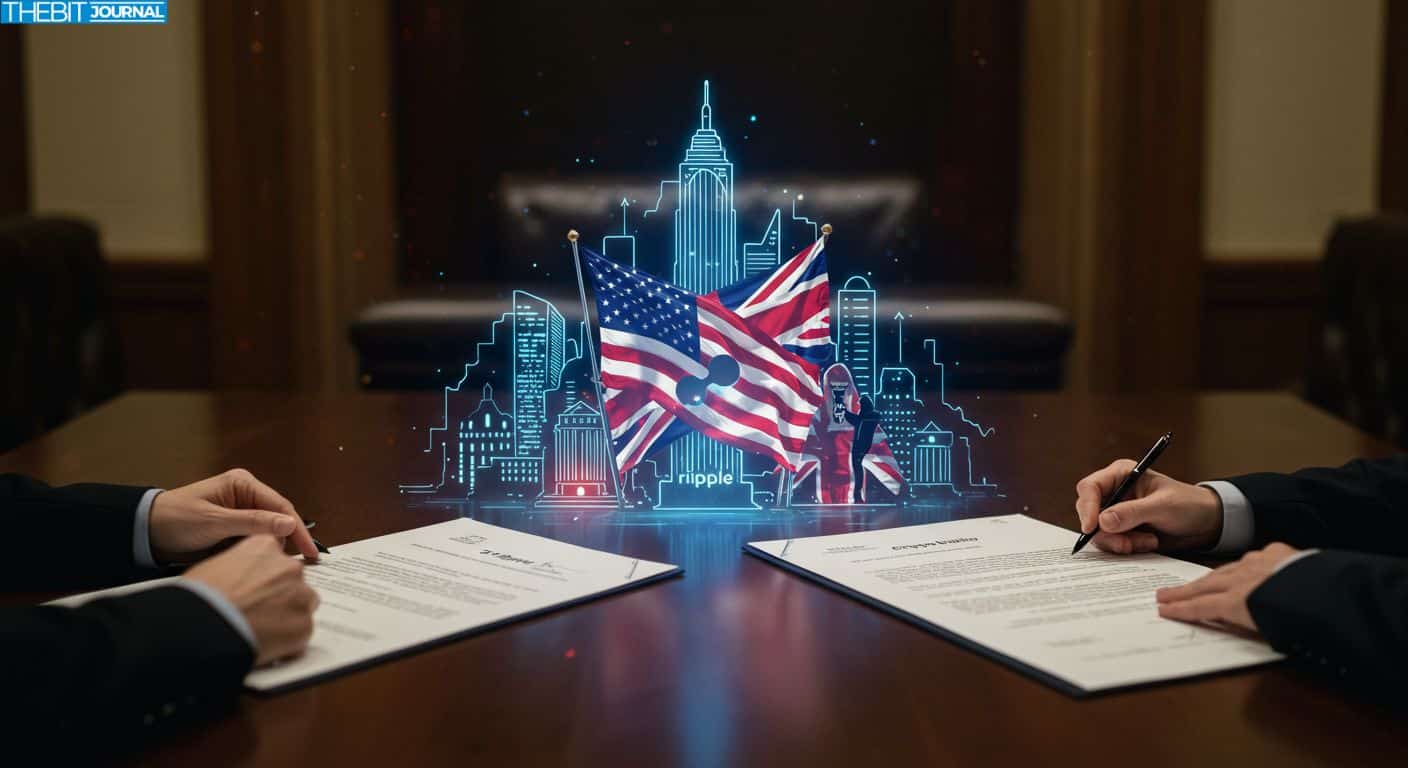
US-UK TaskforceUS-UK Taskforce

Another focus is regulatory alignment in digital assets. The two governments want to create consistent frameworks for stablecoins, custody, cross border supervision and market conduct. Stakeholders expect coordinated rules to reduce uncertainty for industry players operating in both jurisdictions.

Also read: Ripple Partners With Franklin Templeton and DBS on Institutional Token Lending

Ripple’s Role and Position

Ripple’s presence at the summit is significant. As a US-headquartered company with notable operations in the UK, Ripple is the bridge between the two markets. Craddock said’

Ripple has long advocated for regulatory clarity, stablecoin frameworks and tokenisation standards. In the UK, it recently proposed a four point plan to speed up crypto regulation, urging the UK not to fall behind jurisdictions like Singapore or Dubai.

What it Could Mean If This Works

Fist is Regulatory harmonisation. Rules that apply the same across both markets for crypto firms, stablecoins and tokenised securities. No more duplicative compliance and friction for companies operating in both jurisdictions.

Next is Joint regulatory sandboxes or testing frameworks for digital assets. Shared environments where new fintech or blockchain products can pilot across borders under coordinated oversight.

Third, access to capital may improve. With aligned rules, companies can raise funds in either market without costly legal and regulatory hurdles.
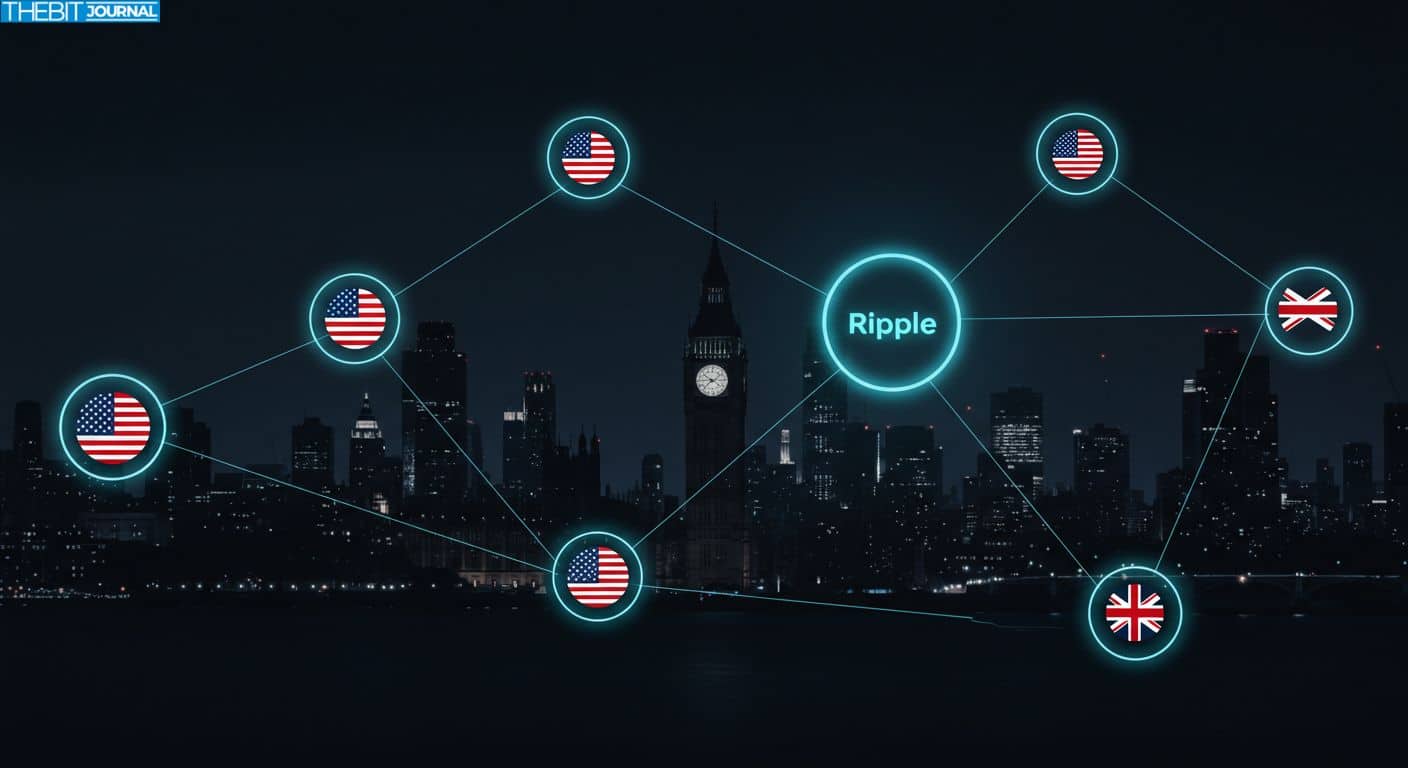
US-UK TaskforceUS-UK Taskforce

Finally, for Ripple and other blockchain companies, the clarity and alignment may lower risk, attract institutional participation and accelerate adoption across payments, DeFi and tokenization.

Also read: Ripple Identifies 3 Key Drivers Behind Institutional Digital Asset Adoption Surge

Conclusion

Based on the latest research, the U.K.-U.S. crypto policy roundtable seems to be big. The creation of the UK-US Taskforce for Markets of the Future means they are going to harmonize frameworks across two of the world’s biggest financial jurisdictions.

Ripple being part of those conversations, the potential is huge: lower barriers, less regulatory friction and mainstream crypto adoption.

For in-depth analysis and the latest trends in the crypto space, our platform offers expert content regularly.

Summary

During President Trump’s September 2025 U.K. visit, Ripple joined U.S. and U.K. officials for a roundtable to deepen crypto policy cooperation. The U.S. and U.K. launched the Transatlantic Taskforce for Markets of the Future to align regulation, ease access to capital and harmonize digital asset frameworks. 

Glossary

Transatlantic Taskforce for Markets of the Future – U.S.-U.K. joint initiative launched to coordinate digital assets, capital markets and crypto policy.

Regulatory alignment – Making policies or rules in different jurisdictions compatible to reduce friction for companies operating cross-border.

Stablecoin regulation – Laws and frameworks governing digital tokens pegged to fiat or other assets; a area of divergence among jurisdictions.

Policy coordination – Governments working together to align rules, enforcement, and strategy in a sector.

Tokenization – Representing real-world assets as digital tokens on a blockchain

Frequently Asked Questions About the US-UK Taskforce

What’s the purpose of the US-UK taskforce?

To harmonise digital asset regulation, simplify cross border capital market access and create shared frameworks for crypto infrastructure across the two jurisdictions.

Why is Ripple involved?

Ripple has operations and interests on both sides of the Atlantic and wants to shape regulation that benefits cross-border payments

What’s the timeline for the US-UK task force?

The US-UK taskforce will deliver recommendations in 180 days (March 2026). Full implementation of regulations and laws will take longer.

How will this affect crypto companies?

For companies that operate in US and UK markets, harmonisation will reduce compliance burden, lower barriers to entry and encourage more institutional capital into digital asset projects.


Read More: Trump’s UK Visit Sparks US-UK Digital Asset Taskforce With Ripple Involved">Trump’s UK Visit Sparks US-UK Digital Asset Taskforce With Ripple Involved

Disclaimer: The articles reposted on this site are sourced from public platforms and are provided for informational purposes only. They do not necessarily reflect the views of MEXC. All rights remain with the original authors. If you believe any content infringes on third-party rights, please contact service@support.mexc.com for removal. MEXC makes no guarantees regarding the accuracy, completeness, or timeliness of the content and is not responsible for any actions taken based on the information provided. The content does not constitute financial, legal, or other professional advice, nor should it be considered a recommendation or endorsement by MEXC.

You May Also Like

US Congress Proposes AI Export Oversight Bill

US Congress Proposes AI Export Oversight Bill

US Congress introduces bipartisan bill for AI chip export oversight, affecting Nvidia and Trump policies.
Share
bitcoininfonews2026/01/22 21:02
Ubisoft (UBI) Stock: Restructuring Efforts and Game Cancellations Prompt 33% Dip

Ubisoft (UBI) Stock: Restructuring Efforts and Game Cancellations Prompt 33% Dip

TLDR Ubisoft’s stock dropped 33% following organizational changes and the cancellation of six games. The company plans to shut down studios in Halifax and Stockholm
Share
Blockonomi2026/01/22 20:50
This U.S. politician’s suspicious stock trade just returned over 200% in weeks

This U.S. politician’s suspicious stock trade just returned over 200% in weeks

The post This U.S. politician’s suspicious stock trade just returned over 200% in weeks appeared on BitcoinEthereumNews.com. United States Representative Cloe Fields has seen his stake in Opendoor Technologies (NASDAQ: OPEN) stock return over 200% in just a matter of weeks. According to congressional trade filings, the lawmaker purchased a stake in the online real estate company on July 21, 2025, investing between $1,001 and $15,000. At the time, the stock was trading around $2 and had been largely stagnant for months. Receive Signals on US Congress Members’ Stock Trades Stocks Stay up-to-date on the trading activity of US Congress members. The signal triggers based on updates from the House disclosure reports, notifying you of their latest stock transactions. Enable signal The trade has since paid off, with Opendoor surging to $10, a gain of nearly 220% in under two months. By comparison, the broader S&P 500 index rose less than 5% during the same period. OPEN one-week stock price chart. Source: Finbold Assuming he invested a minimum of $1,001, the purchase would now be worth about $3,200, while a $15,000 stake would have grown to nearly $48,000, generating profits of roughly $2,200 and $33,000, respectively. OPEN’s stock rally Notably, Opendoor’s rally has been fueled by major corporate shifts and market speculation. For instance, in August, the company named former Shopify COO Kaz Nejatian as CEO, while co-founders Keith Rabois and Eric Wu rejoined the board, moves seen as a return to the company’s early innovative spirit.  Outgoing CEO Carrie Wheeler’s resignation and sale of millions in stock reinforced the sense of a new chapter. Beyond leadership changes, Opendoor’s surge has taken on meme-stock characteristics. In this case, retail investors piled in as shares climbed, while short sellers scrambled to cover, pushing prices higher.  However, the stock is still not without challenges, where its iBuying model is untested at scale, margins are thin, and debt tied to…
Share
BitcoinEthereumNews2025/09/18 04:02