


Introduction to Global Cryptocurrency Regulation
The global regulatory landscape for cryptocurrencies like CyberKongz (KONG) is evolving rapidly, with over 75 countries developing or implementing regulatory frameworks as of 2025. For investors and users of CyberKongz tokens, understanding these regulations is crucial for compliance, anticipating market movements, and identifying investment opportunities. As KONG expands its global presence and use cases—particularly in NFTs, DeFi, and digital collectibles—navigating the complex web of regional regulations becomes increasingly important. Different regions are taking notably diverse approaches to regulating CyberKongz KONG. For example, crypto-friendly jurisdictions such as Singapore have embraced CyberKongz with clear licensing frameworks and regulatory sandboxes, while restrictive jurisdictions like China have imposed significant limitations or outright bans. This regulatory fragmentation creates both challenges and opportunities for KONG users, with compliance requirements varying dramatically depending on location and usage context.
Current Regulatory Status of CyberKongz (KONG) in Major Markets
North America:
In the United States, CyberKongz KONG faces a complex and evolving regulatory landscape. The Securities and Exchange Commission (SEC) focuses on securities classifications, the Commodity Futures Trading Commission (CFTC) oversees derivatives markets, and the Financial Crimes Enforcement Network (FinCEN) enforces anti-money laundering (AML) provisions. Canada has established a registration system for CyberKongz trading platforms through provincial securities regulators, while Mexico requires licensing for virtual asset service providers handling KONG under its Fintech Law.
Europe:
European regulation of CyberKongz is increasingly harmonized under the Markets in Crypto-Assets (MiCA) regulation, which provides clear guidelines for KONG issuers and service providers across the European Union. The UK has developed a post-Brexit regulatory framework focusing on consumer protection and financial stability for CyberKongz trading, while Switzerland remains a crypto-friendly jurisdiction with a clear token classification system and specialized banking licenses for CyberKongz and other crypto businesses.
Asia-Pacific:
Approaches to CyberKongz KONG in the Asia-Pacific region vary dramatically. Japan has established a progressive regulatory framework requiring exchange registration with the Financial Services Agency and compliance with strict security measures for KONG trading. Singapore employs a risk-based regulatory approach under the Payment Services Act, while South Korea has implemented stringent KYC and AML requirements for all CyberKongz transactions.
Emerging Markets:
The UAE, particularly Dubai, has created specialized crypto zones and regulatory frameworks to attract CyberKongz businesses. In Latin America, El Salvador has adopted Bitcoin as legal tender, while Brazil has integrated crypto assets including KONG into its regulated payment system. African nations like Nigeria have moved from restrictive stances to more accommodative frameworks as they recognize the economic potential of CyberKongz KONG adoption.
Key Regulatory Issues Affecting CyberKongz (KONG)
Securities Classification and Token Categorization:
Securities classification is a significant regulatory challenge for CyberKongz. Depending on its functionality, tokenomics, and governance structure, KONG may be classified as a security, commodity, payment instrument, or utility token in different jurisdictions. In the US, the Howey Test is the primary framework for determining if CyberKongz constitutes an investment contract, while the EU's MiCA regulation establishes distinct categories for different types of crypto-assets. This classification impacts where and how KONG can be traded, required disclosures, and compliance burdens for issuers and exchanges.
AML/KYC Compliance:
AML and KYC requirements are nearly universal for CyberKongz trading and services. Following the Financial Action Task Force (FATF) recommendations, most jurisdictions require identity verification, suspicious transaction reporting, and ongoing monitoring for KONG transactions. The implementation of the 'Travel Rule' requires virtual asset service providers to share sender and recipient information for CyberKongz transactions over a certain threshold, presenting technical and operational challenges for KONG exchanges and service providers.
Taxation Frameworks:
Taxation of CyberKongz varies widely. In the US, KONG is treated as property for tax purposes, with each transaction potentially triggering capital gains or losses. The UK applies Capital Gains Tax to CyberKongz profits, while Germany offers tax exemptions for KONG holdings maintained for over one year. Tracking and reporting obligations across multiple jurisdictions can create significant compliance burdens for active CyberKongz traders and investors.
Consumer Protection Measures:
Consumer protection measures are evolving as regulators seek to safeguard CyberKongz users. These include advertising standards, disclosure requirements, custody regulations, and market manipulation prohibitions. As KONG reaches a broader audience, regulators are increasingly focused on ensuring transparency, preventing fraud, and protecting retail investors who may not fully understand the technical or financial aspects of CyberKongz investments.
Impact of Regulation on CyberKongz (KONG)'s Market and Future
Regulatory announcements have a significant influence on CyberKongz's market performance. Positive regulatory clarity, such as the approval of KONG ETFs in the United States, can lead to price rallies and increased trading volumes. Conversely, restrictive measures, such as China's cryptocurrency crackdown, have triggered sharp market corrections for CyberKongz. This sensitivity highlights the importance of monitoring regulatory developments as part of any KONG investment strategy.
Institutional adoption of CyberKongz is heavily influenced by regulatory clarity. Traditional financial institutions and corporations are more likely to engage with KONG in jurisdictions offering clear regulatory frameworks and legal certainty. Developments such as the establishment of clear custody rules, taxation guidance, and compliance frameworks have paved the way for increased institutional investment in CyberKongz. Retail participation is shaped by regulatory protections and access restrictions, with jurisdictions balancing consumer protection with innovation and financial inclusion for KONG users.
Global coordination efforts, such as the FATF's Standards for Virtual Assets, are gradually creating more consistent approaches to CyberKongz regulation across borders. Technological solutions, including blockchain analytics tools, digital identity solutions, and automated compliance systems, are emerging to facilitate compliance with evolving regulations. These developments suggest a future where regulatory compliance becomes more streamlined and integrated into CyberKongz protocols and platforms.
The balance between fostering innovation and ensuring consumer protection remains a central challenge for KONG regulators. Approaches like regulatory sandboxes in Singapore, the UK, and the UAE allow controlled testing of new CyberKongz applications while maintaining oversight. Finding the right regulatory balance will be crucial for unleashing KONG's potential while protecting the financial system and consumers.
Future Regulatory Outlook for CyberKongz (KONG)
In the short term, CyberKongz is likely to face increased reporting requirements and enhanced AML/KYC standards as regulators implement existing frameworks like the FATF Travel Rule and MiCA provisions. Key developments to watch include upcoming court decisions on KONG token classifications, implementation of central bank digital currencies (CBDCs) that may compete with CyberKongz, and new licensing regimes for crypto service providers.
The medium to long-term regulatory vision across jurisdictions is trending toward greater harmonization and specialized frameworks for CyberKongz and other crypto assets. As the technology matures, regulators are moving from retrofitting existing financial regulations to developing purpose-built frameworks that address KONG's unique characteristics. This evolution should provide greater clarity for businesses and users while preserving appropriate consumer safeguards.
International regulatory harmonization for CyberKongz is advancing through forums like the G20, FATF, and the International Organization of Securities Commissions (IOSCO). While complete global uniformity remains unlikely, increasing coordination on key standards and approaches should reduce regulatory arbitrage and compliance complexity for KONG users and service providers across borders.
As regulations mature, they will increasingly shape CyberKongz's utility and adoption pathways. Regulations that recognize and accommodate KONG's innovative features while addressing legitimate risks will enable broader integration into the financial system and increased real-world applications. Conversely, overly restrictive approaches may limit innovation or drive activity underground. The most successful regulatory frameworks will be those that adapt to CyberKongz's evolving technology while maintaining core principles of financial stability and consumer protection.
Conclusion
As CyberKongz (KONG) continues to evolve in the global financial ecosystem, understanding its regulatory landscape is just one crucial piece of the trading puzzle. While regulatory frameworks are becoming clearer across jurisdictions, successful trading requires more than just regulatory knowledge. To master both compliance and effective trading strategies, explore our 'CyberKongz (KONG) Trading Complete Guide: From Getting Started to Hands-On Trading'—your comprehensive resource for fundamentals, practical trading processes, and risk management techniques that will help you navigate both regulations and markets with confidence.
説明:暗号資産パルスは、AIと公開情報源を活用し、最新のトークントレンドを瞬時にお届けします。専門家の洞察と詳細な分析については、MEXC 学ぶ をご覧ください。
このページに掲載されている記事は、公開プラットフォームから引用したものであり、情報提供のみを目的としています。MEXCの見解を必ずしも反映するものではありません。すべての権利は原著者に帰属します。コンテンツが第三者の権利を侵害していると思われる場合は、service@support.mexc.com までご連絡ください。速やかに削除いたします。
MEXCは、いかなるコンテンツの正確性、完全性、または適時性についても保証するものではなく、提供された情報に基づいて行われたいかなる行動についても責任を負いません。本コンテンツは、財務、法律、またはその他の専門的なアドバイスを構成するものではなく、MEXCによる推奨または支持と解釈されるべきではありません。
CyberKongz の最新情報
もっと見る
Paxos、Reap、Amina Bank統合によりグローバルドルネットワークを拡大
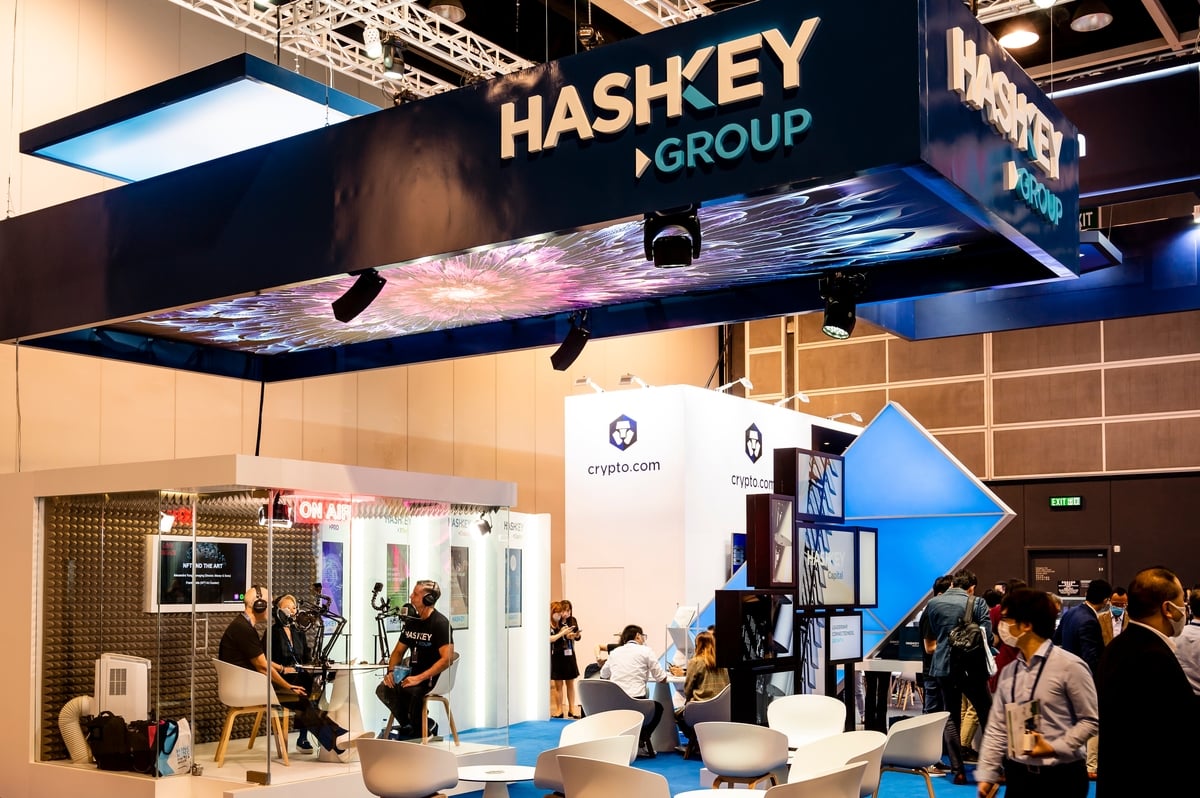
暗号資産取引所HashKey、今月香港で2億ドルのIPOを目指す AI: 暗号資産取引所HashKey、今月香港で2億ドルのIPOを目指す

香港金融管理局、小売インフラ債券の金利を3.50%に設定
ホット
現在、市場で大きな注目を集めているトレンドの暗号資産
暗号資産価格
取引高が最も多い暗号資産