A CODE of conduct (CoC) in the South China Sea is unlikely be completed this year, analysts said, as Manila prepares for a “bare-bones” Association of SoutheastA CODE of conduct (CoC) in the South China Sea is unlikely be completed this year, analysts said, as Manila prepares for a “bare-bones” Association of Southeast

Sea code completion may be delayed

2026/03/29 20:12
3 min di lettura
Per feedback o dubbi su questo contenuto, contattateci all'indirizzo crypto.news@mexc.com.

A CODE of conduct (CoC) in the South China Sea is unlikely be completed this year, analysts said, as Manila prepares for a “bare-bones” Association of Southeast Asian Nations (ASEAN) summit focused on the fallout from the Iran war.

Chester B. Cabalza, founding president of Manila-based International Development and Security Cooperation, said that the completion of the code this year may remain “far-fetched.”

“With Manila’s early announcement of its vulnerability to energy security amid the Iran war and its planned bilateral reset with China, most likely the elusive CoC will be set aside in the agenda,” he said in a Facebook Messenger chat.

Mr. Cabalza said that the upcoming summits of the ASEAN must focus on the Middle East energy crisis, cybersecurity in the region, and peace and justice in the Cambodia-Thailand conflict.

He noted that the bloc must also reach a regional consensus to halt gray zone activities in the disputed sea.

The ASEAN and China agreed to craft a binding code of conduct in 2002, however, progress toward a binding framework has been repeatedly delayed by legal, political and strategic differences. Manila said earlier that it plans to complete the binding code by the end of the year.

Last week, President Ferdinand R. Marcos, Jr. said that ASEAN leaders came to a consensus to proceed with the meetings rather than delay them, with the summit mainly focused on urgent concerns of the regional bloc.

The President said that scheduled leadership meetings will now prioritize coordination on urgent issues such as energy, food security, and migrant workers amid the ongoing conflict in the Middle East.

Hansley A. Juliano, who teaches political science at the Ateneo de Manila University, said the Philippines, as this year’s chair, should emphasize independence on the Middle East conflict.

The US and Israel on Feb. 28 launched a coordinated strike at Iran aimed at crippling its nuclear weapons program. One month since, the war has further intensified placing a strain on global oil supply and prices with the closure of the Strait of Hormuz, a vital chokepoint that carries about 20 million barrels of oil per day.

“For the Philippines it is in fact an opportunity to argue for greater ASEAN interdependence and middle power independence,” he said in a Messenger chat.

However, Josue Raphael J. Cortez, a diplomacy lecturer at De La Salle-College of St. Benilde, said that the downsized summit may not delay completion of the CoC, but allow the bloc to pivot negotiations between Beijing and the ASEAN.

“Given how we are jointly devising strategies on how we can navigate these pressing times effectively — and the fact that China is among our key partners through ASEAN+3 — then this may lead to attitudinal dynamics which in a way or another may also positively affect how the continuous negotiations may unfold,” he said in a Messenger chat.

Mr. Cortez added that energy security and the welfare of migrant workers are still aligned with the Philippines’ chairship priorities.

“Regional security may also be understood from the lens of energy security, and on the other hand, migrant workers’ welfare is also mirrored in how we now try to explore ways on how we can ensure the safety of our migrant communities,” he said.

The South China Sea remains one of the region’s most volatile flashpoints. China has expanded its presence despite a 2016 ruling by a United Nations-backed arbitral tribunal that voided its sweeping claims over the waters, putting it at odds with claimants such as the Philippines, Vietnam, Malaysia, Brunei, Indonesia and Taiwan. — Adrian H. Halili

Opportunità di mercato
Logo B
Valore B (B)
$0.19859
$0.19859$0.19859
-0.90%
USD
Grafico dei prezzi in tempo reale di B (B)
Disclaimer: gli articoli ripubblicati su questo sito provengono da piattaforme pubbliche e sono forniti esclusivamente a scopo informativo. Non riflettono necessariamente le opinioni di MEXC. Tutti i diritti rimangono agli autori originali. Se ritieni che un contenuto violi i diritti di terze parti, contatta crypto.news@mexc.com per la rimozione. MEXC non fornisce alcuna garanzia in merito all'accuratezza, completezza o tempestività del contenuto e non è responsabile per eventuali azioni intraprese sulla base delle informazioni fornite. Il contenuto non costituisce consulenza finanziaria, legale o professionale di altro tipo, né deve essere considerato una raccomandazione o un'approvazione da parte di MEXC.

Potrebbe anche piacerti

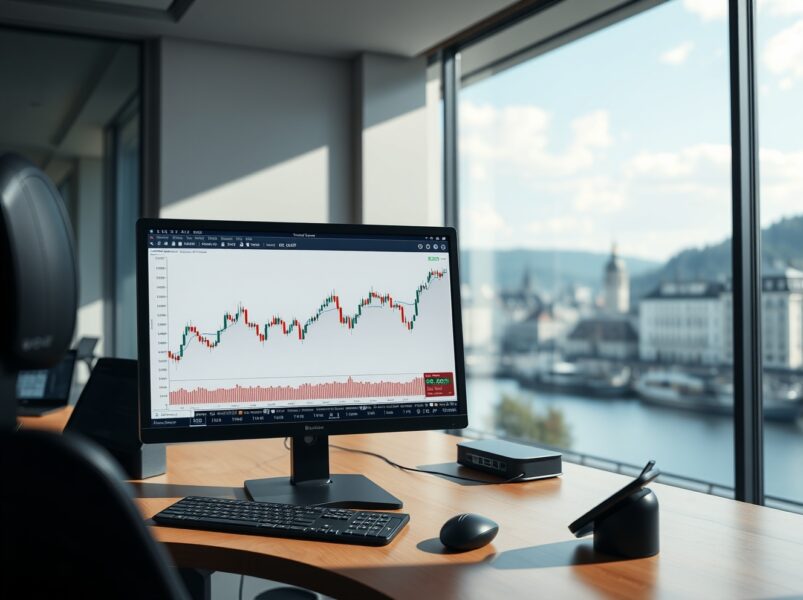
USD/CHF Exchange Rate Surges Toward Critical 0.8000 Level as Dollar Dominance Intensifies

USD/CHF Exchange Rate Surges Toward Critical 0.8000 Level as Dollar Dominance Intensifies

BitcoinWorld USD/CHF Exchange Rate Surges Toward Critical 0.8000 Level as Dollar Dominance Intensifies The USD/CHF currency pair maintains strong bullish momentum
Condividi
bitcoinworld2026/03/30 10:10
Grayscale Sees Digital Asset Treasuries Staging a Comeback After Surviving Harsh Market Reset – Featured Bitcoin News


Grayscale Sees Digital Asset Treasuries Staging a Comeback After Surviving Harsh Market Reset – Featured Bitcoin News

The post Grayscale Sees Digital Asset Treasuries Staging a Comeback After Surviving Harsh Market Reset – Featured Bitcoin News appeared on BitcoinEthereumNews.com
Condividi
BitcoinEthereumNews2026/03/30 10:35
China Blocks Nvidia’s RTX Pro 6000D as Local Chips Rise

China Blocks Nvidia’s RTX Pro 6000D as Local Chips Rise

The post China Blocks Nvidia’s RTX Pro 6000D as Local Chips Rise appeared on BitcoinEthereumNews.com. China Blocks Nvidia’s RTX Pro 6000D as Local Chips Rise China’s internet regulator has ordered the country’s biggest technology firms, including Alibaba and ByteDance, to stop purchasing Nvidia’s RTX Pro 6000D GPUs. According to the Financial Times, the move shuts down the last major channel for mass supplies of American chips to the Chinese market. Why Beijing Halted Nvidia Purchases Chinese companies had planned to buy tens of thousands of RTX Pro 6000D accelerators and had already begun testing them in servers. But regulators intervened, halting the purchases and signaling stricter controls than earlier measures placed on Nvidia’s H20 chip. Image: Nvidia An audit compared Huawei and Cambricon processors, along with chips developed by Alibaba and Baidu, against Nvidia’s export-approved products. Regulators concluded that Chinese chips had reached performance levels comparable to the restricted U.S. models. This assessment pushed authorities to advise firms to rely more heavily on domestic processors, further tightening Nvidia’s already limited position in China. China’s Drive Toward Tech Independence The decision highlights Beijing’s focus on import substitution — developing self-sufficient chip production to reduce reliance on U.S. supplies. “The signal is now clear: all attention is focused on building a domestic ecosystem,” said a representative of a leading Chinese tech company. Nvidia had unveiled the RTX Pro 6000D in July 2025 during CEO Jensen Huang’s visit to Beijing, in an attempt to keep a foothold in China after Washington restricted exports of its most advanced chips. But momentum is shifting. Industry sources told the Financial Times that Chinese manufacturers plan to triple AI chip production next year to meet growing demand. They believe “domestic supply will now be sufficient without Nvidia.” What It Means for the Future With Huawei, Cambricon, Alibaba, and Baidu stepping up, China is positioning itself for long-term technological independence. Nvidia, meanwhile, faces…
Condividi
BitcoinEthereumNews2025/09/18 01:37