

European Central Bank: DeFi Platforms Risk Failing MiCA Decentralization Requirements
Key Takeaways
- European Central Bank identifies governance centralization risks in DeFi as MiCA implementation nears
- Aave demonstrates significant token ownership concentration among top holders
- MakerDAO exhibits centralized voting authority despite broad token distribution
- Uniswap governance structure includes substantial influence from centralized exchange platforms
- DeFi protocols may face mandatory regulatory compliance under MiCA framework
The European Central Bank has issued warnings suggesting numerous decentralized finance protocols could fall short of MiCA’s decentralization requirements. Banking regulators have identified concentrated governance structures within leading platforms. These concerns emerge as the regulatory framework’s July 2026 implementation date approaches.
Concentrated Token Holdings Challenge Aave’s Decentralization Status
Regulatory analysis of [[LINK_START_0]]Aave[[LINK_END_0]] revealed significant token concentration among primary stakeholders. The ECB discovered that governance token control remains consolidated within a limited participant group. Banking authorities associate this organizational structure with centralization vulnerabilities.
Furthermore, the ECB’s assessment showed that delegated voting mechanisms concentrate authority among select participants. Major decision-making power flows through delegated token arrangements controlled by few voters. The central bank documented unequal governance participation across the platform.
The ECB referenced previous governance controversies within Aave’s ecosystem to support these conclusions. Historical episodes demonstrated how limited actors could determine protocol direction. Consequently, regulatory authorities argue such concentrated influence undermines genuine decentralization.
MakerDAO’s Voting Power Distribution Under Regulatory Review
The European Central Bank’s examination of MakerDAO uncovered comparable governance centralization trends. Regulatory findings showed dominant voting power concentrated among principal token holders. The [[LINK_START_1]]ECB[[LINK_END_1]] questions whether the platform satisfies MiCA’s decentralization benchmarks.
The central bank emphasized delegate influence in governance outcomes. A restricted voter base controls the majority of delegated voting authority. The ECB maintains that effective decision-making power remains concentrated regardless of widespread token ownership.
Additionally, regulatory authorities highlighted ambiguity surrounding wallet ownership and governance control. Available data fails to distinguish between developer holdings, treasury allocations, and independent ownership. The ECB underscores these transparency gaps as accountability concerns within MakerDAO’s operational framework.
Centralized Exchange Holdings Complicate Uniswap’s Regulatory Position
The ECB’s Uniswap evaluation identified consolidated voting constituencies. Regulatory analysis determined that proposal outcomes depend on a narrow voter base. The ECB challenges the protocol’s classification as decentralized under MiCA provisions.
Moreover, the assessment revealed substantial governance token holdings by centralized trading platforms. Major exchanges including Binance hold considerable token positions. The ECB suggests exchange-controlled holdings could significantly influence governance decisions.
The central bank linked these observations to MiCA’s exemption criteria for fully decentralized services. Regulatory authorities contend that numerous protocols will likely fail to qualify for exemption status. The ECB indicates such platforms may require formal regulatory authorization.
Broader sector implications extend beyond individual protocols. Platforms exhibiting identifiable governance control mechanisms may encounter enhanced regulatory scrutiny. The ECB suggests governance architecture will determine regulatory classification.
The central bank reaffirms that MiCA adoption continues throughout European Union member states. Complete framework implementation remains incomplete across the region. The ECB signals intensified enforcement measures as compliance deadlines advance.
The post European Central Bank: DeFi Platforms Risk Failing MiCA Decentralization Requirements appeared first on Blockonomi.
Potrebbe anche piacerti

Why Most AI Memory Systems Fail (And What Actually Works)
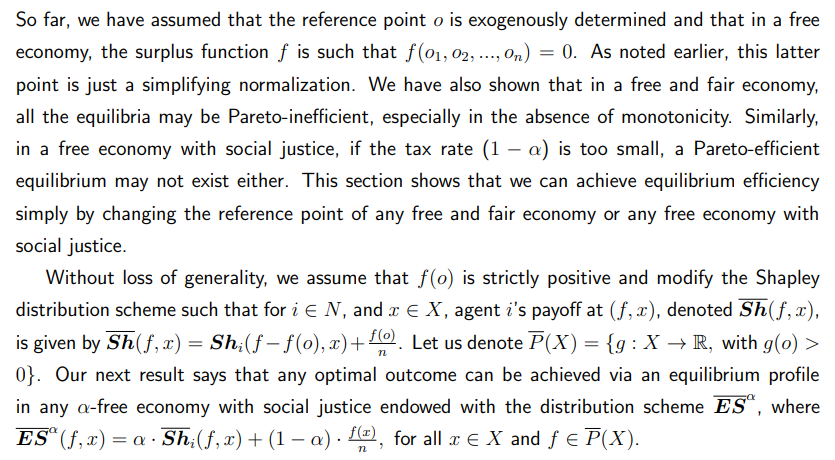
The Role of Reference Points in Achieving Equilibrium Efficiency in Fair and Socially Just Economies


