

Silver Price Plummets: Strong Dollar and Soaring Yields Crush Geopolitical Safe-Haven Demand
BitcoinWorld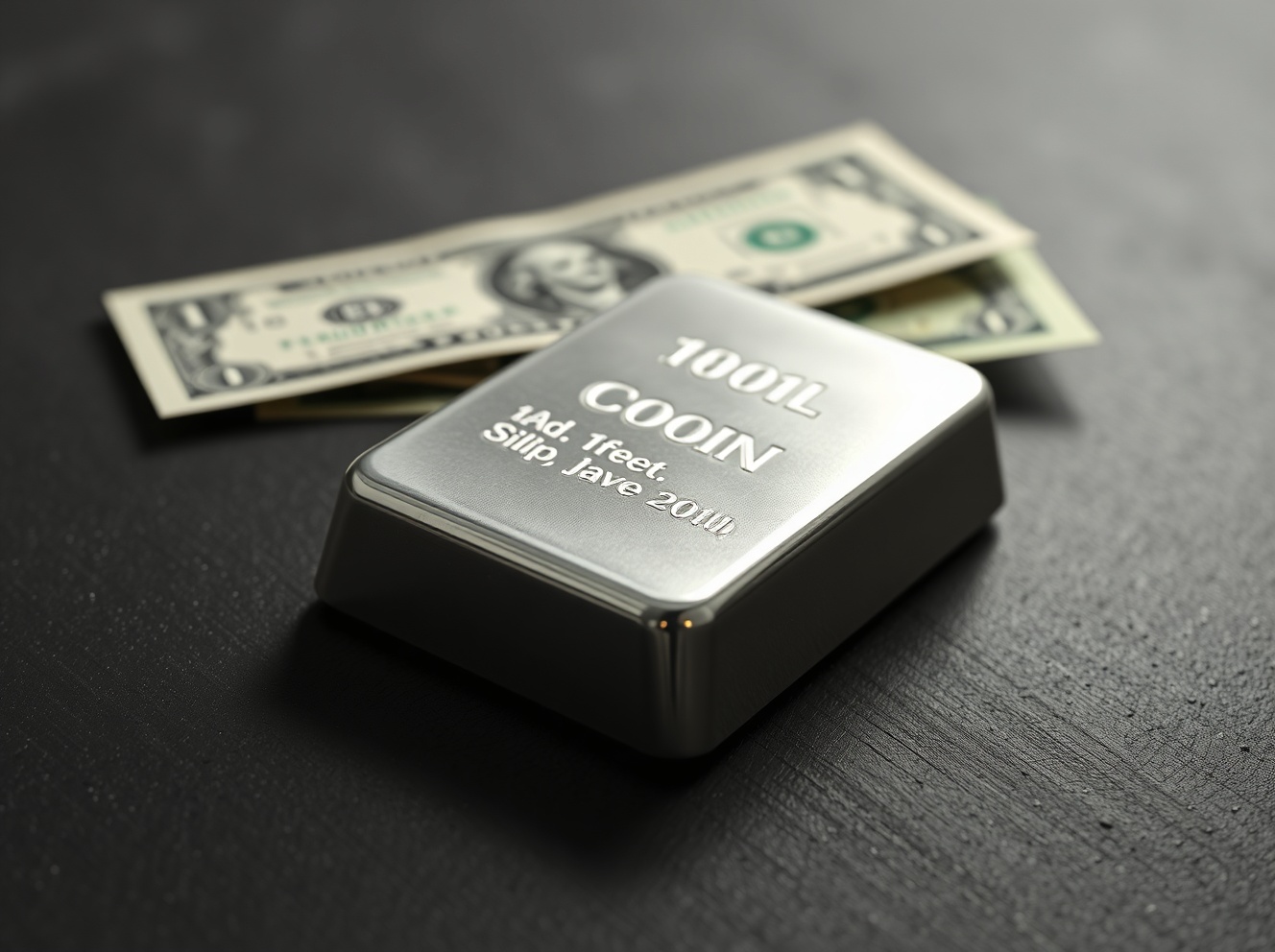
Silver Price Plummets: Strong Dollar and Soaring Yields Crush Geopolitical Safe-Haven Demand
Global silver markets witnessed significant pressure this week as the precious metal’s traditional role as a geopolitical safe-haven failed to counterbalance the dual headwinds of a resurgent US Dollar and climbing Treasury yields. Consequently, the silver price slid to multi-week lows, highlighting a complex battle between macroeconomic forces and regional instability. Market analysts now scrutinize whether industrial demand or renewed investment flows can provide a floor for the white metal.
Silver Price Faces Downward Pressure from Macroeconomic Giants
The recent decline in the silver price primarily stems from two powerful financial currents. First, the US Dollar Index (DXY) strengthened considerably, reaching its highest level in over a month. A robust dollar typically makes dollar-denominated commodities like silver more expensive for holders of other currencies, thereby suppressing demand. Simultaneously, yields on US 10-year Treasury notes climbed above 4.5%, marking a significant shift in fixed-income markets. Higher yields increase the opportunity cost of holding non-yielding assets like silver, as investors can seek returns in government bonds without assuming commodity price risk. This dynamic creates a formidable challenge for silver bulls.
Market data reveals a clear correlation. For instance, the spot silver price fell over 3% in the trading session following the yield surge. Furthermore, exchange-traded fund holdings for silver, such as the iShares Silver Trust (SLV), showed minor outflows. This indicates that institutional investors are reassessing their allocations. The strength of the dollar and yields often reflects market expectations for Federal Reserve policy. Recent commentary from Fed officials suggesting a “higher for longer” interest rate stance has reinforced this bearish environment for precious metals.
The Mechanics of Yield and Currency Impact
To understand the pressure, consider the fundamental relationship. When Treasury yields rise, they offer a guaranteed return. Silver, however, offers no coupon or dividend. Investors therefore demand a greater potential for price appreciation to justify holding it. If that appreciation seems unlikely due to a strong dollar environment, capital flows out of silver and into bonds. This is not mere speculation but a documented capital rotation. Historical charts from the last two decades show that periods of rapidly rising real yields—yields adjusted for inflation—consistently correlate with weakness in silver. The current environment fits this historical pattern precisely.
Geopolitical Tensions Provide Only Fleeting Support for Silver
Despite the macroeconomic headwinds, ongoing geopolitical conflicts in Eastern Europe and the Middle East continued to provide a baseline of support for silver. Traditionally, investors flock to precious metals during times of global uncertainty as a store of value. This safe-haven demand did prevent a more catastrophic collapse in the silver price. Reports of escalating military actions initially triggered a brief spike in buying activity. However, this support proved transient. Market participants quickly refocused on the dominant financial narratives emanating from Washington DC and the bond market.
The limited potency of geopolitical support underscores a market evolution. Analysts note that while regional conflicts drive short-term volatility, sustained price trends for industrial metals like silver are increasingly dictated by global liquidity conditions and central bank policies. The current cycle demonstrates that even significant geopolitical events can be overshadowed by shifts in US monetary policy expectations. This represents a key lesson for traders: in the modern market, the dollar and yields are often the primary drivers, with geopolitics acting as a secondary modifier.
Key factors that limited geopolitical support:
- Localized Nature of Conflicts: Current tensions, while severe, have not disrupted major global trade corridors for silver or its key industrial inputs.
- Strong Alternative Safe Havens: The US Dollar itself is considered the world’s premier safe-haven asset, creating a direct competitor to silver.
- Absence of Supply Shock: Unlike oil, silver mining and refining operations have not faced direct, widespread disruption from the conflicts.
Industrial Demand and Green Energy: A Potential Silver Lining
Beyond investment flows, silver’s fundamental story remains tied to its industrial applications. The metal is a critical component in photovoltaic cells for solar panels, electronics, and automotive applications. Demand from the solar sector continues to grow at a double-digit annual pace, according to reports from the Silver Institute. This structural demand creates a long-term price floor that is independent of financial market fluctuations. However, in the short term, industrial buyers are often price-sensitive. They may delay purchases or seek substitutions when prices are volatile or perceived as high, which can mute this supportive effect during downturns.
Market observers point to inventory data from major exchanges like the COMEX and the Shanghai Gold Exchange. While investor positions have weakened, physical stockpiles in registered warehouses have not seen dramatic builds. This suggests that industrial offtake remains steady, absorbing some of the metal that financial sellers are releasing. The balance between this physical demand and paper market selling will be crucial for determining the next directional move for the silver price.
Expert Analysis on Market Divergence
“We are witnessing a classic divergence between paper and physical markets,” noted a senior commodity strategist at a major investment bank, whose analysis is frequently cited by financial media. “Futures and ETF selling is driving the spot price lower, but premiums for physical silver bars and coins in major markets have remained elevated. This indicates strong retail and long-term investment demand at these lower price levels, which could establish a base.” This perspective highlights the two-tiered nature of the silver market, where short-term financial trading and long-term physical accumulation often tell different stories.
Comparative Performance: Silver Versus Gold and Other Assets
The silver price decline also needs context within the broader commodity complex. Gold, often silver’s more expensive cousin, also faced pressure from the strong dollar and yields but exhibited slightly more resilience. The gold-silver ratio, which measures how many ounces of silver it takes to buy one ounce of gold, widened further. This ratio expansion signals that silver is underperforming gold in the current risk-off environment, which is typical during periods of financial stress focused on yields and currency strength.
| Asset | Price Change | Primary Driver |
|---|---|---|
| Silver (XAG/USD) | -3.2% | Rising Yields, Strong USD |
| Gold (XAU/USD) | -1.8% | Rising Yields, Strong USD |
| US Dollar Index (DXY) | +1.5% | Hawkish Fed Expectations |
| 10-Year Treasury Yield | +25 bps | Inflation & Policy Outlook |
| Copper | -2.1% | Growth Concerns, Strong USD |
This comparative analysis shows that silver’s volatility is higher, but its directional movement is aligned with the macro trend affecting all dollar-denominated, non-yielding assets. Its sharper drop reflects its dual nature as both a monetary metal and an industrial commodity, making it susceptible to sell-offs from both financial and growth-oriented investors.
Conclusion
The recent slide in the silver price demonstrates the overwhelming power of US macroeconomic policy on global commodity markets. While geopolitical unrest provided a temporary cushion, it was insufficient to offset the combined force of a strengthening dollar and rising Treasury yields. The path forward for silver will likely depend on the trajectory of US interest rates and the durability of its industrial demand, particularly from the renewable energy sector. For now, the market narrative remains firmly in the grip of bond vigilantes and currency traders, leaving the silver price searching for stable ground amidst the crosscurrents.
FAQs
Q1: Why does a strong US Dollar cause the silver price to fall?
A strong US Dollar makes silver, which is priced in dollars, more expensive for buyers using other currencies. This typically reduces international demand, leading to lower prices.
Q2: How do higher Treasury yields affect silver?
Higher yields on government bonds increase the “opportunity cost” of holding silver. Since silver pays no interest, investors may sell it to allocate capital to bonds that now offer a better risk-adjusted return.
Q3: Didn’t geopolitical tensions usually make silver rise?
Yes, silver often acts as a safe-haven asset during crises. However, in this instance, the macroeconomic forces (strong dollar, high yields) were so powerful that they outweighed the supportive geopolitical bid.
Q4: What is the gold-silver ratio, and why is it important?
The gold-silver ratio measures how many ounces of silver are needed to buy one ounce of gold. A rising ratio, as seen recently, indicates silver is underperforming gold. It is a key metric for precious metals traders to assess relative value.
Q5: Could industrial demand save the silver price from falling further?
Strong industrial demand, especially from solar panel manufacturing, provides a fundamental long-term price floor. However, it often acts slowly and may not prevent short-term volatility driven by financial market flows and currency movements.
This post Silver Price Plummets: Strong Dollar and Soaring Yields Crush Geopolitical Safe-Haven Demand first appeared on BitcoinWorld.
Potrebbe anche piacerti
Crypto Real Estate Hedge: Eric Trump Unlocks a Revolutionary Strategy
Stablecoin Sector Smashes Past the $290 Billion Milestone


