

SAIM’s GenNext Debut Reflects Experience-Led Fashion Trends
SAIM’s GenNext showcase is a reminder that innovation in CX often comes from unexpected places—and that product, design, and experience are becoming inseparable.
Reimagining Fashion as Experience: SAIM’s GenNext Debut Signals a Shift Toward Narrative-Driven Design
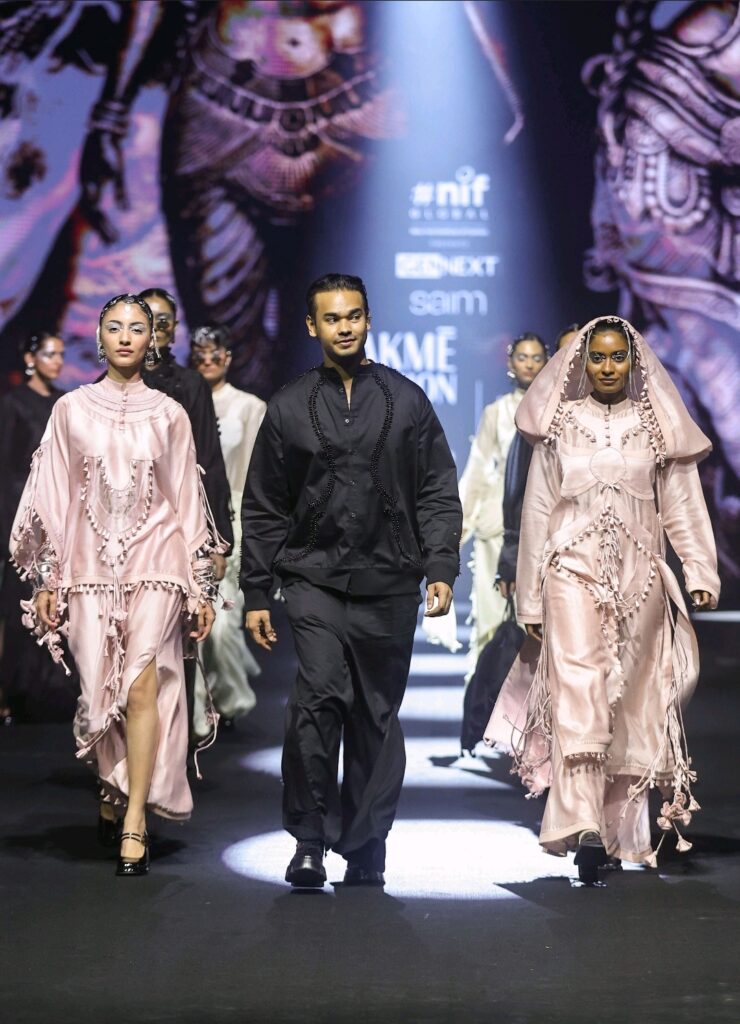
At Lakmé Fashion Week 2026, designer SAIM Ghani introduced a collection under the GenNext platform that reflects a broader shift in how fashion intersects with customer experience. Rooted in mythology, sculptural silhouettes, and fluid drapery, the collection reinterprets traditional Indian aesthetics through a contemporary lens focused on inclusivity, movement, and narrative depth.
While the showcase marks an important milestone for the emerging label, it also signals a wider transformation within the fashion industry—where garments are increasingly positioned not just as products, but as experiential touchpoints within a larger customer journey.
The Rise of Experience-Led Fashion
The global fashion landscape is undergoing a structural shift toward experience-led consumption. Customers are no longer satisfied with functional or aesthetic value alone—they are seeking meaning, identity alignment, and emotional resonance.
Digital transformation has amplified this trend. Social platforms, digital showcases, and influencer ecosystems have redefined how customers engage with fashion, turning brand narratives into continuous, interactive experiences. As a result, expectations around authenticity, inclusivity, and cultural relevance have intensified.
SAIM’s collection aligns with these evolving expectations by embedding cultural narratives directly into design. Drawing from mythology and lived experiences of cultural coexistence, the collection reflects a layered understanding of identity—an increasingly important dimension in customer experience design.
Strategic Positioning Through Cultural Narratives
Participation in the GenNext platform—an initiative associated with nurturing emerging design talent—positions SAIM within a cohort of brands that are shaping the future direction of Indian fashion.
Rather than competing on scale or mass-market appeal, the brand’s strategy appears focused on differentiation through storytelling, craft, and design innovation. This aligns with a premium, experience-driven positioning where value is derived from meaning as much as material.
SAIM Ghani, Founder and Designer, contextualizes this approach:
“Our design language amplifies a modern, imaginative, and multicultural rendition of India and its clothing, where nostalgia, functionality, and conversation play key shaping roles reinterpreted for a contemporary, global wardrobe.”
This articulation highlights a deliberate attempt to balance heritage with global relevance—an increasingly important capability for brands operating in interconnected markets.
Redefining Design Through Integration
A defining element of the collection is the integration of ornamentation into garment construction. Traditional decorative elements—such as pearls, sequins, metal threads, and tassels—are embedded into the structure of the clothing rather than applied as separate accessories.
This approach reflects a shift toward integrated design thinking, where multiple functions are combined into a single product. In practical terms, this reduces complexity for the customer, simplifying styling decisions while maintaining visual richness.
The use of fabrics such as silk Chanderi, satin, and jersey further reinforces this philosophy. Fluid silhouettes, layered drapes, and oversized forms prioritize comfort and movement, aligning with contemporary lifestyle needs where adaptability and ease are critical.
Customer Experience Implications
From a CX perspective, SAIM’s design approach highlights how product innovation can directly influence customer journeys.
First, the emphasis on comfort and fluidity reduces friction in everyday use. Garments that move with the body and accommodate different contexts enhance usability, contributing to higher satisfaction and repeat engagement.
Second, the embedding of cultural narratives creates emotional resonance. Customers are more likely to form lasting connections with products that reflect their identities or values, reinforcing brand loyalty.
Third, the integration of adornment into garments reduces decision fatigue. By eliminating the need for additional accessories, the design streamlines the user experience, making it more intuitive and convenient.
Finally, the collection’s gender-fluid silhouettes expand accessibility, allowing a wider range of customers to engage with the brand.
SAIM’s GenNext collection: Industry-Wide Implications
SAIM’s GenNext debut reflects several broader trends that are reshaping the fashion industry.
There is a growing emphasis on narrative-driven design, where storytelling becomes central to brand identity. At the same time, it is the integration of multiple functions into single products. This points to a shift toward efficiency and convenience in design.
Emerging designers are playing a critical role in driving these changes. Platforms like GenNext act as incubators for innovation, introducing ideas that often influence mainstream practices.
For established brands, this creates both pressure and opportunity. The ability to incorporate storytelling, inclusivity, and integrated design into existing models will be key to maintaining competitiveness.
SAIM’s GenNext collection Future Outlook: CX, Design, and the Convergence of Experience
Looking ahead, the convergence of design, storytelling, and customer experience is likely to intensify. As industries become more experience-driven, the boundaries between product and service will continue to blur.
SAIM’s collection offers a case study in how these elements can be integrated. By combining cultural narratives with design innovation and customer-centric principles, the brand demonstrates a model that extends beyond fashion.
For CX leaders, the implications are clear. The future of customer experience will be shaped not only by service delivery and digital interfaces, but also by the products themselves—how they are designed, what they represent, and how they fit into customers’ lives.
SAIM’s GenNext collection: Key Takeaways
Customer experience is increasingly embedded in product design
Design decisions now directly influence usability, satisfaction, and engagement.
Storytelling enhances emotional connection and brand loyalty
Narrative-driven products create deeper, more meaningful customer relationships.
Integrated design reduces friction in customer journeys
Combining multiple functions into a single product simplifies decision-making and usage.
Inclusivity expands both reach and relevance
Gender-fluid and adaptable designs enable broader audience engagement.
Emerging platforms are shaping the future of CX innovation
Initiatives like GenNext, in fact, highlight trends that can influence wider industry strategies.
The post SAIM’s GenNext Debut Reflects Experience-Led Fashion Trends appeared first on CX Quest.
Potrebbe anche piacerti

Coinbase Slams ‘Patchwork’ State Crypto Laws, Calls for Federal Preemption

Time Management For Entrepreneurs

