Binance Pay Surpasses 21 Million Merchants: Cryptocurrency’s Pivotal Leap into Mainstream Commerce
BitcoinWorld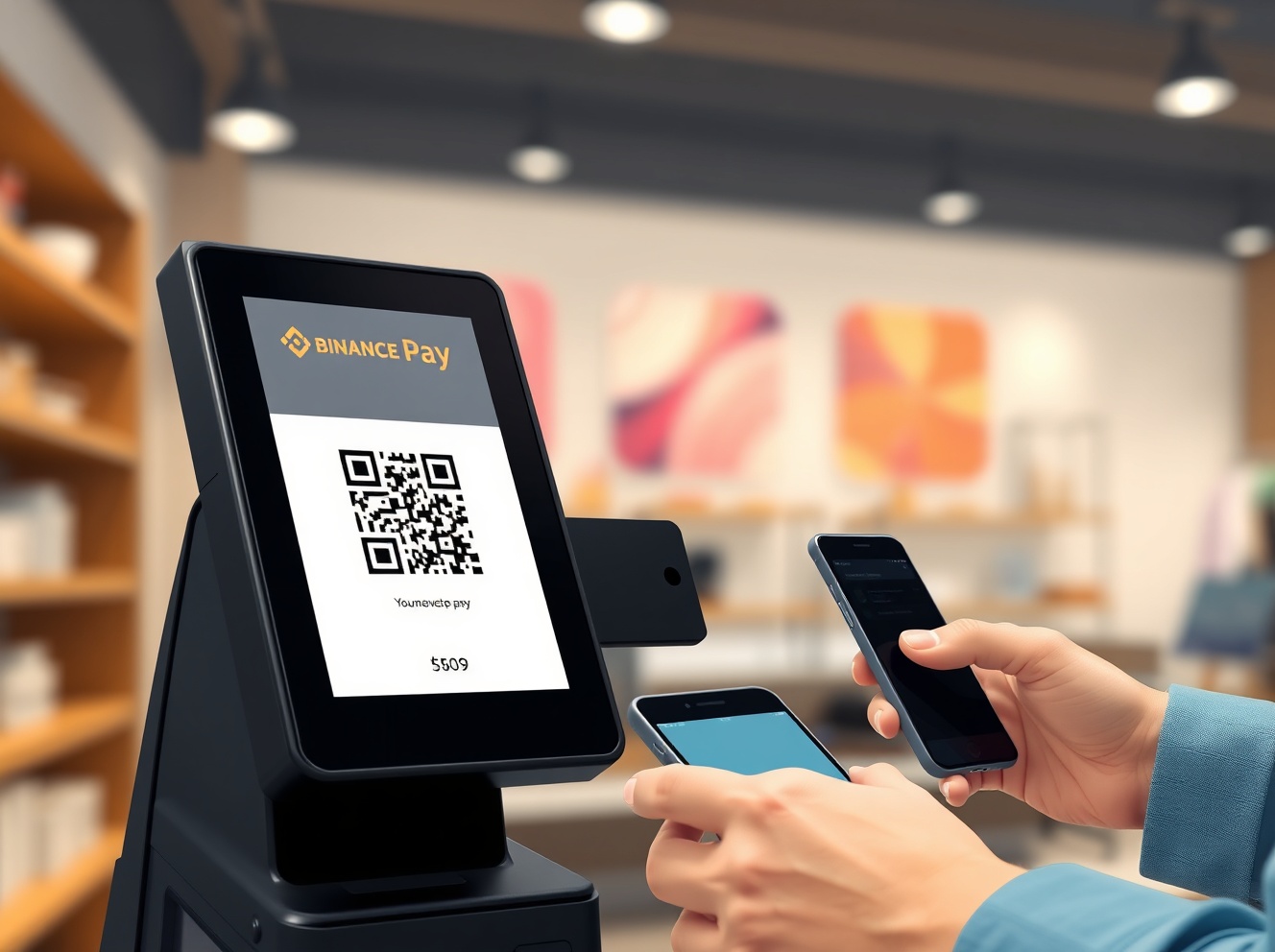
Binance Pay Surpasses 21 Million Merchants: Cryptocurrency’s Pivotal Leap into Mainstream Commerce
In a landmark announcement from Singapore on March 21, 2025, Binance CEO Richard Teng revealed a staggering milestone for cryptocurrency adoption: over 21 million merchants worldwide now accept Binance Pay. This figure, representing a dramatic surge in the payment service’s network, underscores a pivotal shift in global commerce. Teng’s statement positions cryptocurrency not as a speculative asset, but as a foundational payment method rapidly integrating into the fabric of everyday transactions.
Binance Pay Reaches a Critical Mass in Merchant Adoption
The announcement from Binance CEO Richard Teng marks a definitive moment for the crypto payment ecosystem. Surpassing 21 million merchants signifies a transition from niche acceptance to mainstream viability. This growth trajectory is not isolated; it reflects a broader, global trend of digital asset utility. Furthermore, the expansion spans diverse sectors, including retail, hospitality, and online services. Consequently, the network effect strengthens with each new merchant, creating a more valuable system for all users.
Industry analysts point to several key drivers behind this rapid adoption. First, lower transaction fees compared to traditional credit card networks provide a compelling incentive for merchants. Second, the elimination of chargeback fraud removes a significant pain point for businesses. Third, access to a global customer base, unhindered by traditional banking borders, opens new revenue streams. Finally, the speed of settlement, often near-instantaneous, improves cash flow management for enterprises of all sizes.
The Evolution of Cryptocurrency as a Payment Method
Richard Teng’s assertion that cryptocurrency is establishing itself as a major payment method is supported by a clear historical timeline. Initially, Bitcoin and other digital assets functioned primarily as stores of value or mediums for peer-to-peer transfers. However, the development of stablecoins pegged to fiat currencies solved the volatility problem for daily transactions. Subsequently, payment processors like Binance Pay, Crypto.com Pay, and BitPay built the necessary infrastructure. This infrastructure includes user-friendly apps, merchant APIs, and point-of-sale integrations.
Comparing Traditional and Crypto Payment Rails
The rise of services like Binance Pay highlights distinct advantages and ongoing challenges when compared to traditional systems. The following table outlines a factual comparison based on current 2025 data from industry reports:
| Feature | Traditional Card Networks (e.g., Visa/Mastercard) | Cryptocurrency Payment Processors (e.g., Binance Pay) |
|---|---|---|
| Average Settlement Time | 1-3 business days | Minutes to seconds (on-chain) |
| Typical Merchant Fees | 1.5% – 3.5% + interchange | 0% – 1% (often subsidized) |
| Chargeback Risk | High (fraudulent disputes) | Low to None (transactions are final) |
| Global Accessibility | Requires banking relationships | Permissionless, requires internet |
| Primary Regulatory Focus | Financial conduct, consumer protection | Anti-Money Laundering (AML), licensing |
This comparative analysis shows why merchant adoption is accelerating. The tangible economic benefits for businesses are clear and measurable. Meanwhile, regulatory frameworks continue to evolve to ensure consumer protection and financial integrity within the crypto payment space.
Global Impact and Regional Adoption Patterns
The 21-million-merchant milestone is not evenly distributed globally. Adoption shows strong regional patterns influenced by local economic factors. For instance, Southeast Asia and Latin America lead in adoption rates. These regions often have high mobile penetration but less access to traditional credit. Conversely, cryptocurrency payments offer a viable alternative. In Europe and North America, adoption is growing steadily, particularly within e-commerce and tech-savvy urban centers.
Key sectors driving this growth include:
- E-commerce Platforms: Major and niche online retailers integrating crypto checkouts.
- Travel and Hospitality: Airlines, hotels, and booking agencies accepting crypto for global services.
- Digital Services: SaaS companies, freelancers, and content creators receiving payments.
- Physical Retail: From large chains to small businesses using QR-code-based systems.
This diversification proves the utility of Binance Pay extends beyond a single industry. It is becoming a horizontal payment solution. Therefore, its growth potential remains significant as more verticals recognize the operational benefits.
Expert Analysis on the Future of Crypto Payments
Financial technology experts cite the Binance Pay milestone as a critical inflection point. They argue that crossing the 20-million-merchant threshold creates a network effect that is difficult to reverse. As more merchants join, consumer convenience increases, which in turn attracts more merchants. This creates a positive feedback loop for adoption. However, experts also caution that sustained growth depends on continued regulatory clarity and technological stability.
Another critical factor is user experience. The success of Binance Pay hinges on making cryptocurrency transactions as simple as tapping a phone. The application abstracts away the complexity of blockchain addresses and gas fees. This seamless experience is essential for mass adoption. Looking ahead, integration with central bank digital currencies (CBDCs) and traditional finance (TradFi) systems appears to be the next frontier. Such integration would further blur the lines between digital and fiat-based commerce.
Conclusion
The announcement that Binance Pay now serves over 21 million merchants is a powerful testament to cryptocurrency’s evolving role. It is no longer confined to investment portfolios but is actively reshaping payment landscapes. Richard Teng’s statement reflects a mature phase of development where utility and adoption drive value. While challenges around regulation and volatility persist, the trajectory is unmistakable. Cryptocurrency, through services like Binance Pay, is decisively establishing itself as a major, global payment method. This milestone marks a significant step toward a more integrated and efficient financial ecosystem for merchants and consumers worldwide.
FAQs
Q1: What is Binance Pay?
Binance Pay is a contactless, borderless, and secure cryptocurrency payment technology developed by the Binance exchange. It allows users to send, receive, and spend digital assets directly from their Binance app at participating merchants.
Q2: How does a merchant start accepting Binance Pay?
Merchants can typically integrate Binance Pay through an API for online stores or by using a QR code system for physical locations. The process involves registering with the service, which may include compliance checks, and then implementing the technical solution into their checkout flow.
Q3: Do customers or merchants pay fees for using Binance Pay?
Fee structures can vary. Binance has often promoted zero-fee payments for users. Merchants may pay minimal processing fees, which are frequently lower than those for traditional credit card payments, though specific terms depend on the merchant’s agreement and region.
Q4: What cryptocurrencies can be used with Binance Pay?
The service supports a wide range of cryptocurrencies held in a user’s Binance wallet, including major assets like Bitcoin (BTC), Ethereum (ETH), Binance Coin (BNB), and various stablecoins such as BUSD and USDT.
Q5: What are the main benefits for merchants accepting cryptocurrency payments like Binance Pay?
Key benefits include access to a global customer base, lower transaction fees compared to some traditional methods, near-instant settlement of funds, and elimination of chargeback fraud, as blockchain transactions are irreversible.
This post Binance Pay Surpasses 21 Million Merchants: Cryptocurrency’s Pivotal Leap into Mainstream Commerce first appeared on BitcoinWorld.
Potrebbe anche piacerti

Vitalik Buterin lays out new Ethereum roadmap at EDCON
Nieuwe SOL tak Solmate haalt $300M op voor crypto infra in VAE