Strait of Hormuz Breakthrough: Trump Announces Potential Deal to Reopen Vital Shipping Lane
BitcoinWorld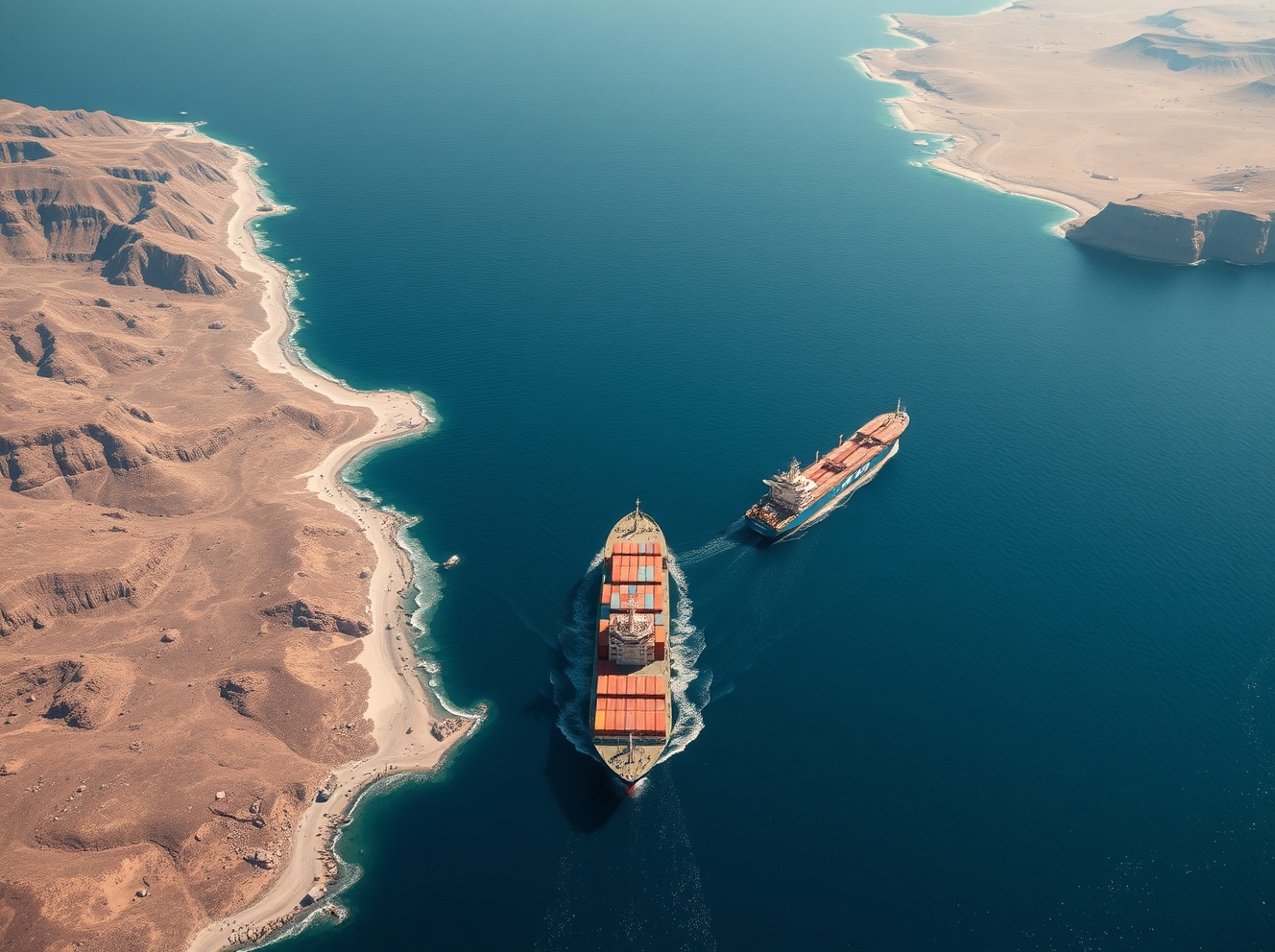
Strait of Hormuz Breakthrough: Trump Announces Potential Deal to Reopen Vital Shipping Lane
WASHINGTON, D.C. — In a statement with significant implications for global energy markets, former President Donald Trump indicated that the strategically vital Strait of Hormuz could be “opened very soon” contingent upon a successful diplomatic agreement. This potential Trump deal addresses one of the world’s most critical maritime chokepoints, a passage for roughly 20-30% of global oil consumption. Consequently, the announcement has immediately drawn analysis from security experts, energy traders, and geopolitical analysts worldwide.
Strategic Importance of the Strait of Hormuz
The Strait of Hormuz serves as the sole sea passage connecting the Persian Gulf to the open ocean. Furthermore, it is flanked by Iran, Oman, and the United Arab Emirates. This narrow waterway facilitates the export of oil from major producers like Saudi Arabia, Iraq, the UAE, Kuwait, and Qatar. Any disruption here sends immediate shockwaves through the oil shipping industry and global energy prices.
Historically, tensions in the region have frequently threatened this corridor. For instance, incidents involving tanker seizures, attacks on commercial vessels, and military posturing have periodically raised insurance premiums and created market volatility. Therefore, a deal to ensure its stable and open operation represents a primary objective for energy-importing nations.
Context of the Proposed Trump Deal
The statement from former President Trump follows years of complex Middle East geopolitics. Specifically, it relates to ongoing, multifaceted negotiations. While the precise details of the potential agreement remain confidential, experts point to several likely components based on historical context and regional demands.
- Security Guarantees: A framework for non-interference with commercial shipping.
- Economic Incentives: Potential sanctions relief or trade benefits for involved parties.
- Regional Cooperation: Mechanisms involving Gulf Cooperation Council (GCC) states.
Analysts note that any sustainable deal must balance the interests of regional powers, especially Iran, with the security concerns of international stakeholders. The goal is to de-escalate military risks and establish predictable rules for passage.
Expert Analysis on Feasibility and Impact
Dr. Elena Vance, a senior fellow at the Center for Maritime Strategy, provided context. “The statement points to a possible diplomatic off-ramp from a prolonged period of uncertainty,” she explained. “The key metrics for success will be verifiable commitments and the establishment of a transparent monitoring mechanism. Success would reduce the risk premium built into global oil prices.”
Market data supports this view. The Brent crude futures market often shows sensitivity to Hormuz headlines. A credible deal could potentially stabilize prices. The table below outlines recent impacts of Strait-related incidents on oil prices:
| Incident | Approx. Price Impact | Duration |
|---|---|---|
| Tanker Attacks (2019) | +$5-8/barrel | 2-3 weeks |
| Seizure of Vessels (2023) | +$3-5/barrel | 1-2 weeks |
| Military Exercises (2024) | +$2-4/barrel | Several days |
Global and Economic Ramifications
A secured and open Strait of Hormuz has immediate global consequences. Firstly, it ensures stable energy supplies to key economies in Asia and Europe. Secondly, it lowers transportation costs for a vast array of goods beyond oil. Finally, it reduces the budgetary strain on nations that maintain naval assets in the region for patrol missions.
The shipping industry, in particular, stands to benefit significantly. Lower war risk insurance premiums directly improve profit margins for carriers. Additionally, predictable transit times strengthen global supply chain resilience. This is crucial for post-pandemic economic stability.
Conclusion
The potential Trump deal to reopen the Strait of Hormuz represents a pivotal moment in Middle East geopolitics and global energy security. While the statement provides a hopeful direction, its realization depends on complex diplomatic follow-through. The world market now watches for concrete steps that will translate political will into lasting maritime security and stable oil shipping lanes through this indispensable corridor.
FAQs
Q1: Why is the Strait of Hormuz so important?
The Strait is the world’s most important oil transit chokepoint. It connects Persian Gulf oil producers to global markets. An estimated 21 million barrels of oil pass through it daily.
Q2: What would a deal to “open” the Strait involve?
While details are scarce, it likely involves diplomatic agreements ensuring safe passage for commercial vessels. This could include security protocols, conflict de-escalation measures, and economic incentives for regional actors.
Q3: How would this deal affect global oil prices?
A credible and lasting agreement would likely reduce the “geopolitical risk premium” in oil prices. This could lead to more stable and potentially lower prices by assuring consistent supply from the Gulf.
Q4: Which countries are most directly involved in the Strait’s security?
Iran and Oman control the territorial waters. The United States and other nations like the UK often patrol international waters nearby. Gulf Arab states like Saudi Arabia and the UAE are major stakeholders due to their oil exports.
Q5: Have there been previous attempts to secure the Strait through diplomacy?
Yes. Various international initiatives and naval coalitions have aimed to protect shipping. However, a comprehensive, regionally endorsed diplomatic deal has remained elusive due to deep-seated political tensions.
This post Strait of Hormuz Breakthrough: Trump Announces Potential Deal to Reopen Vital Shipping Lane first appeared on BitcoinWorld.
Potrebbe anche piacerti

Franklin Templeton CEO Dismisses 50bps Rate Cut Ahead FOMC

From Early Trading Losses to Global Impact: Somesh’s Journey to Building an Int’l Trading Community