The Central Bank of Nigeria (CBN) has directed banks and fintechs to deploy an anti-money laundering tool that… The post Fraud: CBN directs Banks and fintechs toThe Central Bank of Nigeria (CBN) has directed banks and fintechs to deploy an anti-money laundering tool that… The post Fraud: CBN directs Banks and fintechs to

Fraud: CBN directs Banks and fintechs to deploy anti-money laundering tools

2026/03/12 00:20
3 min di lettura
Per feedback o dubbi su questo contenuto, contattateci all'indirizzo crypto.news@mexc.com.

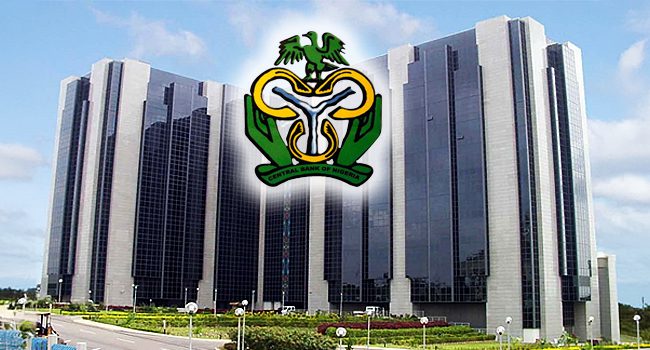
The Central Bank of Nigeria (CBN) has directed banks and fintechs to deploy an anti-money laundering tool that detects suspicious transactions and financial fraud in real-time. 

This is contained in a circular released on Tuesday by the Apex Bank titled Issuance of Baseline Standards for Automated Anti-Money Laundering (AML) Solution for Financial Institutions in Nigeria. 

CBN explained that the framework forms part of the process to combat financial terrorism, fraudulent activities and the susceptibility of the ecosystem to financial crime. Also, the initiative is an opportunity for institutions to use emerging technologies in combating financial crime risk management.
In addition, the move becomes necessary following the advancement of technology and the increasing complexity of the industry’s operation. CBN noted that the manual monitoring methods are inadequate, making it ineffective to tackle the growing threat of AML and other financial crimes. 

“As financial services become increasingly digitised and complex, manual AML/CFT/CPF controls are no longer sufficient to manage evolving risks. Financial institutions are expected to deploy automated AML Solutions,” the regulator said. 

As stipulated in the framework, banks and fintechs are expected to start deploying the measures immediately. Deposit money banks (DMBs) are expected to achieve full compliance within 18 months from the date of issuance, while other financial institutions will have 24 months to comply.

What the CBN’s framework says

The framework set out minimum technical and operational standards for Automated systems used by banks, fintechs and other financial institutions to alleviate money laundering, proliferation financing and terrorism nationwide. 

Below are seven key guidelines to note from the framework 

1. Any AML deployed must diligently support risk-based customers, enable timely detection of suspicious activity, and facilitate accurate, complete, and timely reporting to the CBN, Nigerian Financial Intelligence Unit (NFIU) and other relevant authorities.

2. The framework stipulates minimum capabilities that an AML solution system must possess. This includes customer identification and verification, transaction monitoring, and sanctions screening. Such tools must also maintain data integrity and ensure secure data transmission.

Digital fraud in payments

3. Financial institutions are permitted to deploy emerging technologies such as AI and other machine learning models to improve the detection of fraudulent activities and suspicious movements. However, such technologies must operate under strict human control.

4. The CBN’s framework noted that such institutions using AI-based AML tools will be required to conduct frequent validation to ensure accuracy, reliability and fairness in the detection of suspicious financial transactions.

5. As part of the compliance with Nigeria’s data protection regulations, banks, fintechs and others are to implement secure data protection controls. This includes using encryption, role-based access and multi-factor authentication.

6. Financial institutions must also solidify their identity verification processes by onboarding systems with national databases such as the Bank Verification Number (BVN) and National Identification Number (NIN) platforms to support their identity checks.

7. Subject to the CBN’s approval, financial institutions can operate AML Solutions under shared services or centralised arrangements. This means that two or more institutions can share AML resources while responsibilities for compliance, data protection, and performance must be clearly allocated and documented.

CBN still won't sell dollars to BDCs, issues new guidelines in a bid to reduce exchange rate

While the standards apply to all institutions operating under the CBN’s regulation, the depth of implementation depends on each institution’s size, transaction volumes, operational scale and risk exposure.

With the implementation period set, CBN noted that institutions that fail to implement the standards may face regulatory sanctions under existing banking and financial crime laws. 

Also, compliance with the framework will be monitored using off-site surveillance, on-site examinations and thematic reviews, according to the Apex Bank. 

The post Fraud: CBN directs Banks and fintechs to deploy anti-money laundering tools first appeared on Technext.


Opportunità di mercato
Logo Lorenzo Protocol
Valore Lorenzo Protocol (BANK)
$0.03985
$0.03985$0.03985
+1.09%
USD
Grafico dei prezzi in tempo reale di Lorenzo Protocol (BANK)
Disclaimer: gli articoli ripubblicati su questo sito provengono da piattaforme pubbliche e sono forniti esclusivamente a scopo informativo. Non riflettono necessariamente le opinioni di MEXC. Tutti i diritti rimangono agli autori originali. Se ritieni che un contenuto violi i diritti di terze parti, contatta crypto.news@mexc.com per la rimozione. MEXC non fornisce alcuna garanzia in merito all'accuratezza, completezza o tempestività del contenuto e non è responsabile per eventuali azioni intraprese sulla base delle informazioni fornite. Il contenuto non costituisce consulenza finanziaria, legale o professionale di altro tipo, né deve essere considerato una raccomandazione o un'approvazione da parte di MEXC.

Potrebbe anche piacerti

Bitcoin $1M by 2030: Coinbase CEO Unveils Astounding Prediction

Bitcoin $1M by 2030: Coinbase CEO Unveils Astounding Prediction

BitcoinWorld Bitcoin $1M by 2030: Coinbase CEO Unveils Astounding Prediction Imagine a future where a single Bitcoin is worth an astonishing $1 million. This bold vision isn’t from a science fiction novel; it’s a serious prediction from none other than Coinbase CEO Brian Armstrong. He recently shared his belief on X that Bitcoin $1M by 2030 is not just possible but probable, given its current progress and the need for a long-term perspective. This exciting forecast has naturally sent ripples through the cryptocurrency community, prompting many to consider the incredible potential trajectory of the world’s leading digital asset. What Fuels the Vision of Bitcoin $1M by 2030? Brian Armstrong’s prediction stems from a deep understanding of Bitcoin’s fundamentals and its historical performance. He emphasizes that looking at Bitcoin through a short-term lens misses the bigger picture. Over its existence, Bitcoin has demonstrated remarkable resilience and growth, consistently breaking through previous price ceilings. This long-term view is crucial when discussing ambitious targets like Bitcoin $1M by 2030. One of the core drivers is Bitcoin’s inherent scarcity. Unlike traditional currencies that can be printed endlessly, Bitcoin has a fixed supply cap of 21 million coins. This hard limit, combined with increasing demand, creates a powerful economic dynamic. As more individuals, institutions, and even nations adopt Bitcoin, its value proposition strengthens, making such a high valuation seem less like a dream and more like a potential reality. Understanding Bitcoin’s Unique Growth Trajectory Bitcoin’s journey is punctuated by unique events known as “halvings.” Approximately every four years, the reward miners receive for validating transactions is cut in half. This mechanism further reduces the supply of new Bitcoin entering the market, historically leading to significant price appreciation. The most recent halving occurred in April 2024, and past cycles suggest that the impact of these events plays a vital role in Bitcoin’s long-term value accumulation. Moreover, increasing global access to digital assets through user-friendly platforms like Coinbase contributes significantly to its expanding user base. The growing interest from institutional investors is another undeniable force. The approval of spot Bitcoin Exchange-Traded Funds (ETFs) in the United States marked a pivotal moment, opening the floodgates for traditional finance to invest in Bitcoin more easily. This institutional capital inflow provides substantial liquidity and legitimacy, further paving the way for a future where Bitcoin $1M by 2030 could be a benchmark. Is Bitcoin $1M by 2030 Realistic? Examining Key Factors While Armstrong’s prediction is optimistic, it’s grounded in observable trends and economic principles. Let’s break down some of the key factors that could contribute to this monumental rise: Increasing Global Adoption: As more countries explore central bank digital currencies (CBDCs) and people seek alternatives to traditional financial systems, Bitcoin’s role as a decentralized, borderless asset becomes more appealing. Inflationary Pressures: Persistent inflation in fiat currencies drives individuals and institutions to store wealth in assets with a limited supply, like Bitcoin, as a hedge. Technological Advancements: Continuous improvements in Bitcoin’s underlying technology, such as the Lightning Network for faster transactions, enhance its utility and scalability, making it more attractive for everyday use. Demographic Shift: Younger generations, who are more digitally native, are increasingly comfortable with cryptocurrencies, suggesting a long-term shift in investment preferences. These combined forces paint a compelling picture for Bitcoin’s future. However, it’s also important to consider potential challenges. Navigating the Roadblocks on the Path to Bitcoin $1M by 2030 Reaching a $1 million valuation for Bitcoin will not be without its hurdles. The cryptocurrency market is known for its volatility, and significant price swings are a common occurrence. Regulatory uncertainty remains a concern in various jurisdictions, which could impact adoption and market sentiment. Furthermore, technological risks, such as potential security vulnerabilities or competition from emerging digital assets, always exist. Investors must approach such predictions with a balanced perspective. While the potential for Bitcoin $1M by 2030 is exciting, it’s crucial to understand the risks involved. Diversification and thorough research are always recommended before making any investment decisions. Armstrong himself emphasizes the need for a long-term view, suggesting that patience will be a key virtue for those hoping to witness this monumental achievement. What Does This Mean for You? Brian Armstrong’s forecast offers a glimpse into a potentially transformative future for finance. It underscores Bitcoin’s growing importance as a global store of value and a significant asset class. For those new to crypto, this prediction highlights the long-term potential of digital assets. For seasoned investors, it reinforces the conviction many already hold about Bitcoin’s enduring value. Ultimately, the journey to Bitcoin $1M by 2030 will likely be dynamic and challenging, but the underlying fundamentals and increasing mainstream acceptance provide a strong foundation for this ambitious goal. It’s a testament to the revolutionary power of decentralized finance and the digital age. To learn more about the latest Bitcoin trends, explore our article on key developments shaping Bitcoin price action. Frequently Asked Questions About Bitcoin’s Future Here are some common questions regarding Brian Armstrong’s bold prediction for Bitcoin: Who made the prediction about Bitcoin reaching $1 million by 2030?Coinbase CEO Brian Armstrong stated his belief on X (formerly Twitter) that Bitcoin could reach $1 million by 2030. What are the main reasons cited for the Bitcoin $1M by 2030 prediction?Key reasons include Bitcoin’s fixed supply (scarcity), increasing global adoption by individuals and institutions, the impact of halving events, and its role as a hedge against inflation. Are there significant risks to Bitcoin reaching this price target?Yes, significant risks include market volatility, potential regulatory challenges, technological vulnerabilities, and competition from other cryptocurrencies. How does Bitcoin’s scarcity contribute to its potential value?With a fixed supply of 21 million coins, Bitcoin’s scarcity means that as demand increases, its value tends to rise, assuming all other factors remain constant. What should investors consider in light of this prediction?Investors should consider a long-term perspective, conduct thorough research, understand the inherent risks of cryptocurrency, and avoid making investment decisions based solely on predictions. Share Your Thoughts on Bitcoin’s Future! If Brian Armstrong’s vision of Bitcoin $1M by 2030 sparks your interest or curiosity, we encourage you to share this article with your friends, family, and social media network! Let’s ignite a wider conversation about the incredible potential of cryptocurrency and what this ambitious forecast could mean for the global financial landscape. Your insights and discussions are invaluable as we collectively explore the future of digital assets! This post Bitcoin $1M by 2030: Coinbase CEO Unveils Astounding Prediction first appeared on BitcoinWorld.
Condividi
Coinstats2025/09/24 09:25
WTI Crude Oil: Critical Supply Shock Sustains Prices Amid Market Volatility – Rabobank

WTI Crude Oil: Critical Supply Shock Sustains Prices Amid Market Volatility – Rabobank

BitcoinWorld WTI Crude Oil: Critical Supply Shock Sustains Prices Amid Market Volatility – Rabobank Global energy markets face renewed pressure as supply disruptions
Condividi
bitcoinworld2026/03/12 02:50
The Designer Behind the Numbers: How Eri Mineta’s Visual Systems Are Powering tapouts’ Breakout Growth

The Designer Behind the Numbers: How Eri Mineta’s Visual Systems Are Powering tapouts’ Breakout Growth

When investors assess tapouts, the numbers make an immediate impression. The Los Angeles-based children’s mental health coaching platform has reached $5.5 million
Condividi
Techbullion2026/03/12 03:40