

Solmate Restructures to Build UAE Solana Operations
TLDR
- Solmate will reposition itself as a Solana infrastructure provider based in the United Arab Emirates.
- The company plans to change its legal name from Brera Holdings PLC to Solmate Infrastructure PLC.
- Solmate proposed a 10-for-1 reverse stock split subject to shareholder approval on April 7.
- The company will establish Abu Dhabi as its primary operational base for blockchain services.
- Solmate will wind down two underperforming soccer teams while retaining Juve Stabia.
Solmate will reposition its business as a Solana infrastructure provider based in the United Arab Emirates. The Nasdaq-listed company, now operating as Brera Holdings PLC, approved a plan to change its legal name and corporate focus. The board also backed a reverse stock split as it shifts operations to Abu Dhabi and advances its blockchain strategy.
Solmate Approves Name Change and Reverse Stock Split
Solmate will change its legal name from Brera Holdings PLC to Solmate Infrastructure PLC. The board approved the proposal and will seek shareholder consent at an April 7 meeting. The company will also revise its constitutional documents to reflect its focus on blockchain infrastructure. It will continue trading on Nasdaq under the ticker SLMT after the change.
The company proposed a 10-for-1 reverse stock split for Class A and Class B shares. The plan will consolidate 10 shares into 1 share and raise the nominal value from $0.05 to $0.50. Solmate will not issue fractional shares under the consolidation. The reverse split remains subject to shareholder approval before it takes effect.
Solmate began its transition in September 2025 when it shifted away from football ownership. The company then announced a strategic pivot toward blockchain and digital asset infrastructure. It now seeks to align its structure with institutional-grade Solana services.
Solmate Expands Solana Infrastructure and Treasury Strategy
Solmate will streamline its sports holdings to support its blockchain expansion. The company plans to wind down two underperforming soccer teams from its portfolio. However, it will retain its flagship Italian club, Juve Stabia. The company will redirect capital from those changes toward Solana infrastructure in the UAE.
In September 2025, Solmate raised $300 million through a private investment in public equity. The funding round attracted backing from the Solana Foundation, Ark Invest, RockawayX, and Pulsar Group. The company said the financing will support its Solana-focused treasury and validator operations.
Under its strategy, Solmate will accumulate and stake SOL tokens. It will also generate revenue from validator infrastructure and blockchain services. In November 2025, the company launched what it described as the first bare-metal Solana validator in the UAE. The validator enables partners and the public to stake SOL tokens at zero commission.
Earlier this year, Solmate canceled a planned merger with RockawayX. The company cited changed market conditions for ending the transaction. However, both firms said they will maintain their strategic partnership. Solmate shares closed down 5.17% on Tuesday and have declined 82.26% over six months.
The post Solmate Restructures to Build UAE Solana Operations appeared first on CoinCentral.
Potrebbe anche piacerti

Tether Backs Ark Labs’ $5.2 Million Bet on Bitcoin’s Stablecoin Revival
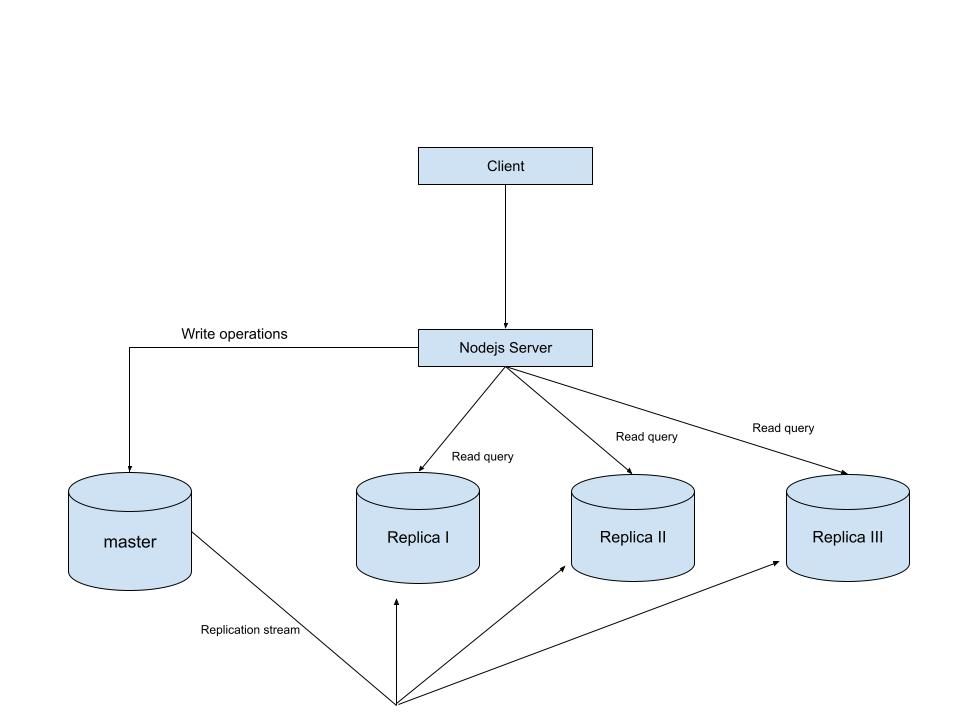
MySQL Single Leader Replication with Node.js and Docker
command: --server-id=1 --log-bin=ON The --server-id option gives each MySQL server in your replication setup its own name tag. Each one has to be unique and without it, replication won’t work at all. Another cool option not included here is binlog_format=ROW. This tells MySQL how to keep track of changes before passing them along to the replicas. By default, MySQL already uses row-based replication, but you can explicitly set it to ROW to be sure or switch it to STATEMENT if you’d rather log the actual SQL statements instead of row-by-row changes. \ Run our containers on docker Now, in the terminal, we can run the following command to spin up our database containers: docker-compose up -d \ Setting Up Our Master (Primary) Server To configure our master server, we would have to first access the running instance on docker using the following command docker exec -it mysql-master bash This command opens an interactive Bash shell inside the running Docker container named mysql-master, allowing us to run commands directly inside that container. \ Now that we’re inside the container, we can access the MySQL server and start running commands. type: mysql -uroot -p This will log you into MySQL as the root user. You’ll be prompted to enter the password you set in your docker-compose.yml file. \ Next, we need to create a special user that our replicas will use to connect to the master server and pull data. Inside the MySQL prompt, run the following commands: \ CREATE USER 'repl_user'@'%' IDENTIFIED BY 'replication_pass'; GRANT REPLICATION SLAVE ON . TO 'repl_user'@'%'; FLUSH PRIVILEGES; Here’s what’s happening: CREATE USER makes a new MySQL user called repl_user with the password replication_pass. GRANT REPLICATION SLAVE gives this user permission to act as a replication client. FLUSH PRIVILEGES tells MySQL to reload the user permissions so they take effect immediately. \ Time to Configure the Replica (Secondary) Servers a. First, let’s access the replica containers the same way we did with the master. Run this command in your terminal for each of the replica containers: \ docker exec -it <replica_container_name> bash mysql -uroot -p <replica_container_name> should be replace with the name of the replica container you are trying to setup b. Now it’s time to tell our replica where to get its data from. While inside the replica’s MySQL shell, run the following command to configure replication using the master’s details: CHANGE REPLICATION SOURCE TO SOURCE_HOST='mysql-master', SOURCE_USER='repl_user', SOURCE_PASSWORD='replication_pass', GET_SOURCE_PUBLIC_KEY=1; With the replication settings in place, let’s fire up the replica and get it syncing with the master. Still inside the MySQL shell on the replica, run: START REPLICA; This starts the replication process. To make sure everything is working, check the replica’s status with:
SHOW REPLICA STATUS\G; Look for Replica_IO_Running and Replica_SQL_Running — if both say Yes, congratulations! 🎉 Your replica is now successfully connected to the master and replicating data in real time.
Testing Our Replication Setup from the Node.js App Now that our replication is successfully set up, we can configure our Node.js server to observe the real-time effect of data being replicated from the master server to the replica server whenever we write to it. We start by installing the following dependencies:
npm i express mysql2 sequelize \ Now create a folder called src in the root directory and add the following files inside that folder connection.js, index.js and model.js. Our current directory should look like this We can now set up our connections to our master and replica server in the connection.js file as shown below
const Sequelize = require("sequelize"); const sequelize = new Sequelize({ dialect: "mysql", replication: { write: { host: "127.0.0.1", username: "root", password: "master", database: "replicaDb", }, read: [ { host: "127.0.0.1", username: "root", password: "slave", database: "replicaDb", port: 3307 }, { host: "127.0.0.1", username: "root", password: "slave", database: "replicaDb", port: 3308 }, { host: "127.0.0.1", username: "root", password: "slave", database: "replicaDb", port: 3309 }, ], }, }); async function connectdb() { try { await sequelize.authenticate(); } catch (error) { console.error("❌ unable to connect to the follower database", error); } } connectdb(); module.exports = { sequelize, }; \ We can now create a User table in the model.js file
const {DataTypes} = require("sequelize"); const { sequelize } = require("./connection"); const User = sequelize.define("User", { name: { type: DataTypes.STRING, allowNull: false, }, email: { type: DataTypes.STRING, unique: true, allowNull: false, }, }); module.exports = User \ and finally in our index.js file we can start our server and listen for connections on port 3000. from the code sample below, all inserts or updates will be routed by sequelize to the master server. while all read queries will be routed to the read replicas.
const express = require("express"); const { sequelize } = require("./connection"); const User = require("./model"); const app = express(); app.use(express.json()); async function main() { await sequelize.sync({ alter: true }); app.get("/", (req, res) => { res.status(200).json({ message: "first step to setting server up", }); }); app.post("/user", async (req, res) => { const { email, name } = req.body; let newUser = await User.build({ name, email, }); // This INSERT will go to the write (master) connection newUser = newUser.save({ returning: false }); res.status(201).json({ message: "User successfully created", }); }); app.get("/user", async (req, res) => { // This SELECT query will go to one of the read replicas const users = await User.findAll(); res.status(200).json(users); }); app.listen(3000, () => { console.log("server has connected"); }); } main(); When you make a POST request to the /users endpoint, take a moment to check both the master and replica servers to observe how data is replicated in real time. Right now, we are relying on Sequelize to automatically route requests, which works for development but isn’t robust enough for a production environment. In particular, if the master node goes down, Sequelize cannot automatically redirect requests to a newly elected leader. In the next part of this series, we’ll explore strategies to handle these challenges
