

Polymarket Taps Palantir to Monitor Sports Betting as Regulators Back Prediction Markets

Polymarket is enlisting Palantir Technologies and AI firm TWG AI to identify and prevent suspicious activity on its platform, addressing growing concerns about insider trading in prediction markets as they attract billions in trading volume, according to a Bloomberg report on Tuesday.
The surveillance system will monitor Polymarket's US-regulated venue for banned participants and irregular betting patterns, people familiar with the arrangement told Bloomberg. The monitoring builds on existing compliance work with IC360, which flags unusual sports betting activity.
Palantir, co-founded by billionaire Peter Thiel, is best known for work with US military and intelligence agencies. The company launched a joint venture with TWG Global last year to expand artificial intelligence across financial services firms.
The move reflects intensifying scrutiny of prediction markets, which have exploded in popularity but lack clear oversight frameworks. Polymarket's main offshore platform does not accept US customers, but the company is building out a regulated US venue that will deploy the Palantir and TWG AI monitoring system.
Rival platform Kalshi has taken a more public approach, referring two insider trading cases to regulators and forming a committee to publish quarterly statistics on flagged trades and investigations. Both platforms face questions about how they prevent people with inside information – such as athletes or league officials – from profiting through prediction contracts.
Professional sports leagues have long grappled with insider information leaking to bettors. The major leagues, including MLB and the NBA, have investigated players colluding with gamblers. Prediction markets present a new venue for such activity.
Polymarket and Kalshi also faced scrutiny in recent weeks over contracts tied to Middle East geopolitics. After Iranian Supreme Leader Ali Khamenei was killed in February, Kalshi reimbursed users' net losses and fees on related contracts.
 Blockhead
Regulatory Support
Despite the compliance challenges, the Commodity Futures Trading Commission signaled support for prediction markets. CFTC Chair Michael Selig told the FIA Global Cleared Markets Conference in Boca Raton on Monday that well-functioning prediction markets function as "truth machines" by incentivizing participants to accurately price future events, Cointelegraph reported.
"When participants express views on future events — and back those views with capital — they create accountability, transparency and information," Selig said.
Selig pointed to the 2024 US presidential election as evidence that prediction market pricing captured election outcomes more accurately than traditional polls. "The reality is that prediction market platforms are now viewed by the public as more accurate than political polls," he said.
The CFTC chair's endorsement carries weight given the agency's role overseeing derivatives and event-based contracts. Prediction markets have historically operated in regulatory gray zones, particularly contracts tied to elections or geopolitical events.
However, several US states continue challenging prediction market platforms in court, reflecting the fragmented legal landscape where some jurisdictions treat event contracts as gambling rather than financial instruments.
Potrebbe anche piacerti
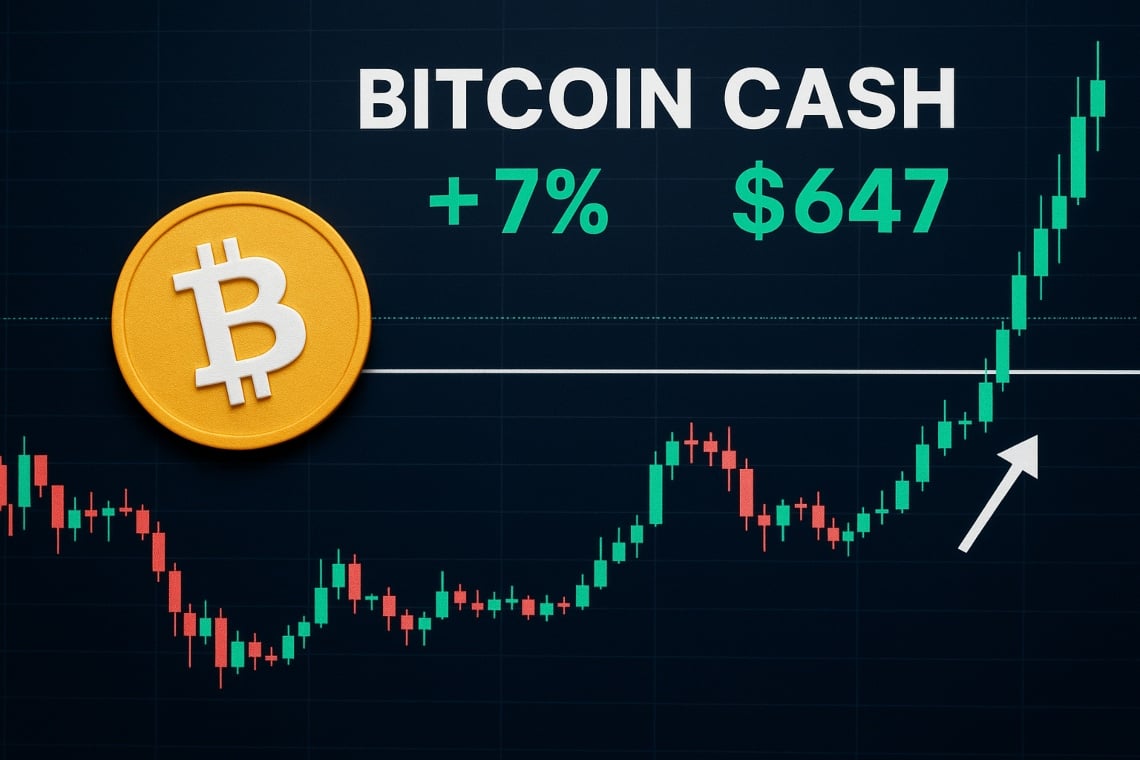
Bitcoin Cash: price +7% at $647, breakout and key levels (09/18/2025)

Fed Lowers Rates By 25bps: How Bitcoin And Crypto Prices Responded And What’s Next
