Iran Foreign Policy Shift: Pivotal Announcement Signals No-First-Attack Doctrine Toward Neighbors
BitcoinWorld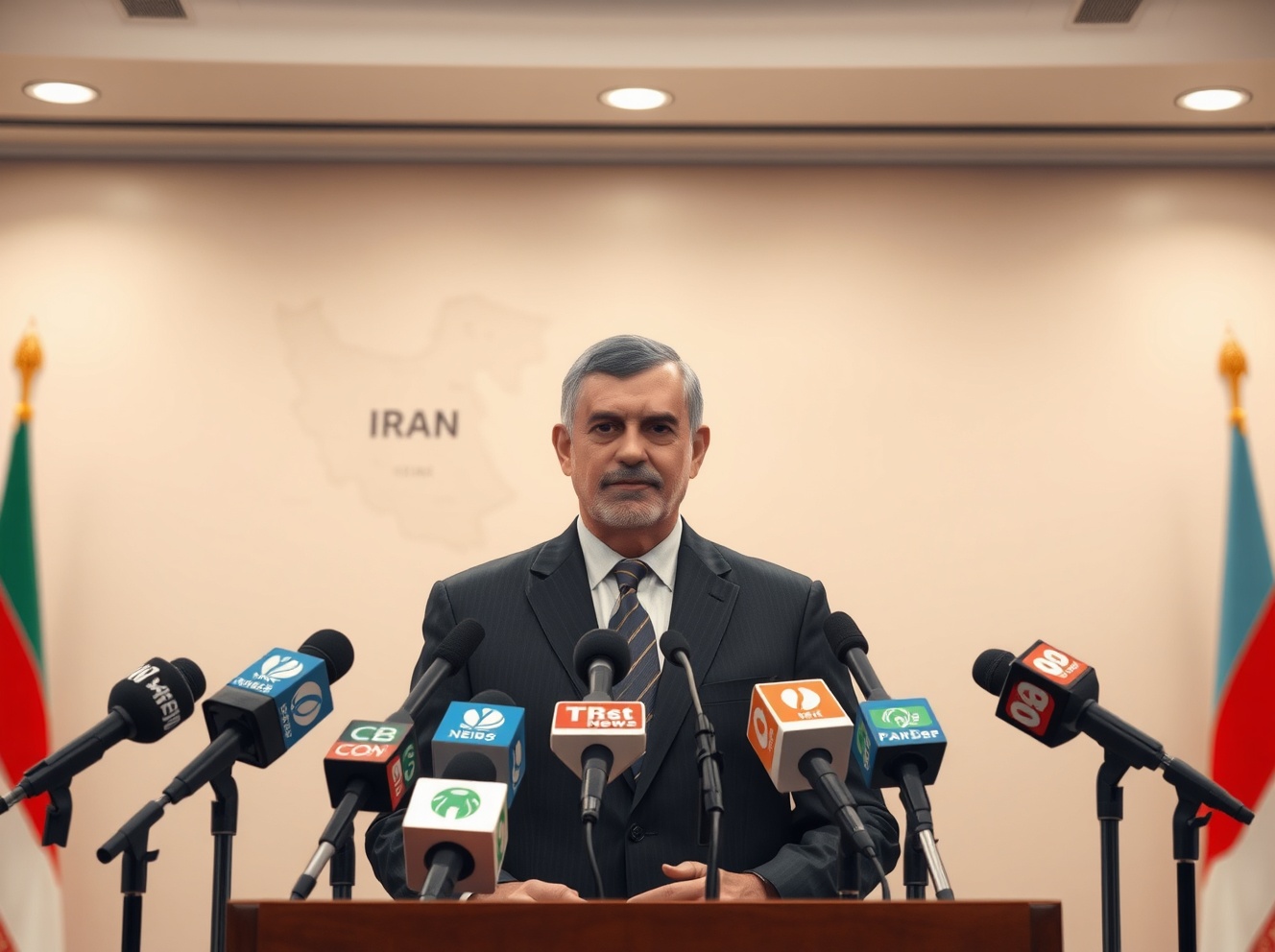
Iran Foreign Policy Shift: Pivotal Announcement Signals No-First-Attack Doctrine Toward Neighbors
TEHRAN, Iran – In a significant development for Middle Eastern geopolitics, Iranian officials have declared their nation will not initiate military attacks against neighboring countries. This announcement represents a potential shift in regional security dynamics that analysts are closely monitoring for its broader implications.
Iran Foreign Policy Announcement Details
Senior Iranian military and diplomatic representatives made this declaration during a coordinated press briefing. They emphasized that Iran reserves the right to respond defensively if attacked first. This statement comes amid ongoing regional tensions and follows recent diplomatic engagements with several Gulf states. The announcement specifically references all countries sharing borders with Iran, including Iraq, Turkey, Pakistan, Afghanistan, Armenia, Azerbaijan, and Turkmenistan.
Furthermore, the policy extends to nations across the Persian Gulf. This includes Saudi Arabia, Kuwait, Bahrain, Qatar, and the United Arab Emirates. Military analysts note this represents the clearest articulation of Iran’s defensive posture toward its immediate neighbors in recent years. The timing coincides with renewed diplomatic efforts in the region.
Historical Context and Regional Relations
Iran’s relationships with neighboring states have experienced significant fluctuations over decades. The 1979 Islamic Revolution fundamentally altered Iran’s foreign policy orientation. Subsequently, the eight-year Iran-Iraq War (1980-1988) created lasting security concerns. More recently, tensions have centered on nuclear negotiations, regional proxy conflicts, and economic competition.
Expert Analysis of Strategic Implications
Regional security experts point to several potential motivations behind this announcement. First, it may represent a genuine confidence-building measure. Second, it could be aimed at reducing international pressure amid ongoing nuclear negotiations. Third, it might reflect internal assessments of military and economic priorities. Dr. Leila Hassan, a Middle East security analyst at the Gulf Research Center, notes, “This declaration aligns with recent diplomatic overtures we’ve observed. However, its practical implementation will depend on reciprocal gestures from regional actors.”
Military strategists emphasize that Iran maintains substantial conventional and asymmetric capabilities. The country’s military doctrine has historically emphasized deterrence and strategic depth. This new announcement potentially refines that doctrine regarding immediate neighbors while maintaining broader regional interests.
Comparative Regional Security Doctrines
Understanding Iran’s announcement requires examining how neighboring states articulate their security policies:
| Country | Key Security Doctrine Element | Stated Position on First Use |
|---|---|---|
| Saudi Arabia | Collective Gulf security through GCC | Defensive orientation with US partnership |
| Israel | Begin Doctrine (preventive strikes) | Explicitly reserves right to first strikes |
| Turkey | Cross-border operations against threats | Active in northern Syria and Iraq |
| Pakistan | Full-spectrum deterrence | Nuclear first-use policy against India |
This comparative context highlights how Iran’s announcement represents a distinct approach within the region. Unlike some neighbors with explicit first-strike policies, Iran now formally declares defensive intent toward adjacent states.
Potential Impacts on Middle East Stability
The announcement could influence several ongoing regional processes:
- Diplomatic Normalization: May facilitate ongoing talks between Iran and Gulf Cooperation Council members
- Security Calculations: Could affect military planning in neighboring capitals
- Economic Cooperation: Might create conditions for enhanced cross-border trade and investment
- International Perceptions: May influence how global powers approach regional mediation efforts
Energy market analysts are particularly watching how this affects Persian Gulf shipping security. Approximately 20% of global oil shipments transit the Strait of Hormuz. Reduced tensions could positively impact insurance rates and shipping logistics. However, regional conflicts involving non-state actors remain a complicating factor.
Verification and Implementation Mechanisms
Security experts emphasize that declarations require verification mechanisms to gain credibility. Potential confidence-building measures could include:
- Military-to-military communication channels
- Advance notification of exercises near borders
- Joint patrols in contested maritime areas
- Third-party monitoring arrangements
Historical precedents in other regions suggest such measures develop gradually. The 1975 Helsinki Accords in Europe established similar confidence-building processes. However, the Middle East’s distinct security architecture presents unique challenges.
Conclusion
Iran’s announcement regarding its Iran foreign policy toward neighboring countries represents a potentially significant development. While the practical implications will unfold over time, the declaration itself marks a clear diplomatic position. Regional stability often depends on such articulated red lines and understood boundaries. The coming months will reveal whether this statement translates into tangible security improvements or remains primarily rhetorical. Neighboring states’ responses and reciprocal gestures will be crucial indicators of this policy’s real-world impact on Middle East security dynamics.
FAQs
Q1: What exactly did Iran announce regarding its neighbors?
Iranian officials declared that Iran will not initiate military attacks against neighboring countries first, reserving the right to respond only if attacked.
Q2: Which countries are specifically included in this announcement?
The policy applies to all countries sharing borders with Iran and those across the Persian Gulf, including Saudi Arabia, Iraq, Turkey, Pakistan, Afghanistan, and the Gulf states.
Q3: How does this differ from Iran’s previous military doctrine?
While Iran has emphasized defensive capabilities, this represents the clearest articulation of a no-first-attack policy specifically toward immediate neighbors in recent years.
Q4: What might have motivated this announcement?
Potential factors include diplomatic confidence-building, reducing international pressure, internal strategic assessments, and creating conditions for economic cooperation.
Q5: How are neighboring countries likely to respond?
Responses will likely vary from cautious optimism to skepticism, with many waiting to observe practical implementation through reduced proxy activities and verifiable security measures.
This post Iran Foreign Policy Shift: Pivotal Announcement Signals No-First-Attack Doctrine Toward Neighbors first appeared on BitcoinWorld.


Potrebbe anche piacerti

WLD Price Prediction: Oversold Bounce Could Target $0.30 by May 2026

Top Crypto to Buy Right Now: BlockDAG, Ethereum, Avalanche, Hyperliquid, and Tron Offer Big Moves