

Google Play’s New Rules for Crypto Apps: What You Need to Know

Law and Ledger is a news segment focusing on crypto legal news, brought to you by Kelman Law – A law firm focused on digital asset commerce.
The following opinion editorial was written by Alex Forehand and Michael Handelsman for Kelman.Law.
Google Play’s Policy Update
Earlier this week, Google Play unveiled a dramatic policy update: crypto exchange apps and custodial wallets must now obtain applicable financial licenses to remain listed in target jurisdictions. The policy spans over 15 major markets, including the United States, European Union, U.K., Canada, Switzerland, Japan, Hong Kong, South Korea, Israel, South Africa, U.A.E., and others.
Google’s position is straightforward: if an app is providing crypto exchange services or custodial wallets, it must operate in compliance with the licensing and registration requirements in the jurisdictions where it is offered. This means developers must proactively align their operations with applicable financial laws in each target market or risk losing access to those users through Google Play—a compliance burden that may be financially out of reach for some apps and technologically impossible for others.
Regulatory Implications
In the United States, Google requires custodial wallet and exchange apps to either:
- Register with FinCEN as a Money Services Business (MSB), and secure any applicable state-level Money Transmitter Licenses (MTLs); or
- Operate under a federal or state‑chartered banking entity.
This means developers must comply with rigorous Anti-Money Laundering (AML), Know Your Customer (KYC), and reporting requirements—standards already familiar to traditional financial institutions but not typically required of self-custody or DeFi protocols under current law.
In the European Union, affected apps must secure a license as a Crypto‑Asset Service Provider (CASP) under the Markets in Crypto‑Assets (MiCA) regime. In the U.K., providers must register with the Financial Conduct Authority (FCA). Other jurisdictions—with similarly stringent expectations—have their local regulatory thresholds, which developers must meet.
Notably, Google allows apps to target markets outside these regulated regions—those apps would not need to comply with the licensing requirements in unaffected jurisdictions.
Non-Custodial Wallets: Policy Clarified After Backlash
The industry’s reaction to Google’s policy was swift and concerned: at first, it appeared non‑custodial (self‑custody) wallets might also be subject to the new licensing rule. This set off alarms around censorship and access to decentralized tools—as one of the primary app stores appeared to extend government regulations beyond their intended scope.
Following this backlash from notable figures such as Jack Dorsey, Google clarified via X (formerly Twitter) that non‑custodial wallets are explicitly excluded from the policy’s scope. The Google Play Store’s Help Center is being updated to reflect this exemption.
The final takeaway: only apps that host or exchange users’ funds—typically custodial services and centralized platforms—are covered. Users and developers can continue distributing and using self‑custody wallets without fear of Play Store delisting.
Google’s clarification strengthens protections for decentralized access and open‑source innovation—providing an important win for the industry.
Implications for Custodial Wallet and Exchange Providers
Custodial wallet operators and centralized exchanges must evaluate the jurisdictions they serve to determine necessary registrations, such as FinCEN, state MTLs, MiCA, FCA, etc.
At Kelman PLLC, we specialize in guiding custodial wallet and crypto exchange developers through FinCEN MSB registration and state money transmitter licensing requirements. We also support strategic planning for maintaining decentralized offerings and self-custody wallet setups to ensure legal compliance.
If you believe we can be of assistance, or have questions about your licensing requirements, contact us here for a free consultation.
This article originally appeared at Kelman.law.


Potrebbe anche piacerti
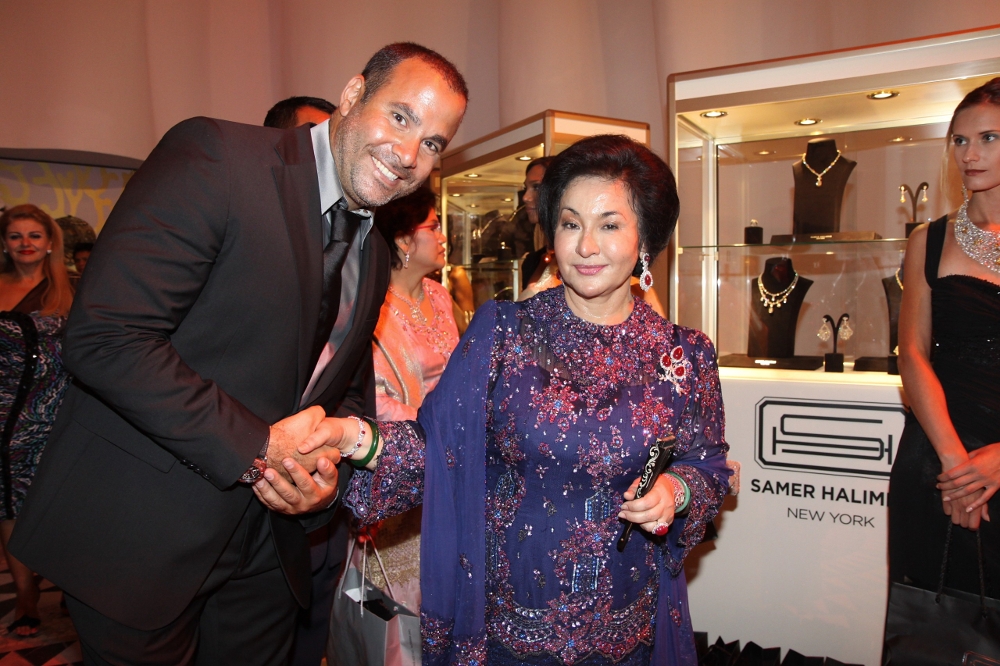
After eight years, Lebanese jeweller says ‘vindicated’ by RM67.5m judgment against Rosmah
DOJ agency claims it has no records of Trump's shady IRS settlement

Taylor Swift becomes youngest woman inducted into Songwriters Hall of Fame


Notizie di tendenza
Altro
