

Ondo Finance Expands Tokenized Treasuries to Sei With USDY RWA Token
Ondo Finance on Tuesday launched USDY on the Sei blockchain, expanding access to tokenized U.S. Treasury exposure within Sei’s high-performance decentralized finance ecosystem.
The deployment introduces a yield-bearing, dollar-denominated real-world asset (RWA) as demand accelerates for on-chain alternatives to traditional stablecoins.
The launch integrates USDY directly into Sei’s DeFi environment, allowing eligible users to deploy Treasury-backed capital across lending, trading, and liquidity protocols from day one.
The move comes amid growing adoption of tokenized Treasuries as investors seek yield-generating assets that remain liquid and composable on-chain.
Also Read: Beyond Token Voting: Vitalik Buterin’s Vision for Better DAOs in Crypto in 2026
How USDY Works and What Sets It Apart
USDY is a tokenized note backed by short-term U.S. Treasuries and bank deposits, according to Ondo Finance’s disclosures.
Unlike stablecoins that target a fixed $1 peg, USDY accrues yield through gradual price appreciation, reflecting the underlying Treasury returns over time.
The asset has a non-rebasing feature, which means that the balances of the tokens will always be the same as the asset price appreciates over time.
The asset allows for earning yield without staking, claiming, and locking up the tokens. The asset is different from the traditional stablecoin model since the yield from the reserve returns to the issuers instead of returning to the users, as seen in USDY.
The USDY is not intended to be a cash equivalent. The market value of the USDY can fluctuate on a decentralized exchange due to liquidity conditions. Ondo states that the fluctuating prices are a function of the general market dynamics. It is not a pegging system.
Tokenized Treasuries Deepen Sei DeFi Use
USDY is now live across Sei’s EVM-compatible ecosystem, which facilitates a range of use cases. It includes the provision of collateral for lending, liquidity, payments, and on-chain treasury management. It is now possible to swap, lend, and bridge the token, allowing users to transfer it to Sei via LayerZero.
USDY is only accessible to non-U.S. individuals and entities. To use USDY, users need to complete Ondo Finance’s onboarding and be added to a transfer allowlist. The wallets not on this list cannot transact with USDY by design. Ondo has stressed this is to comply with applicable regulatory requirements.
The launch further solidifies Sei’s position in the emerging real-world assets space as tokenized treasuries continue to gain traction as a bridge between traditional and decentralized markets.
Also Read: ApeCoin Downtrend Exhaustion Builds Case For $0.55


Potrebbe anche piacerti
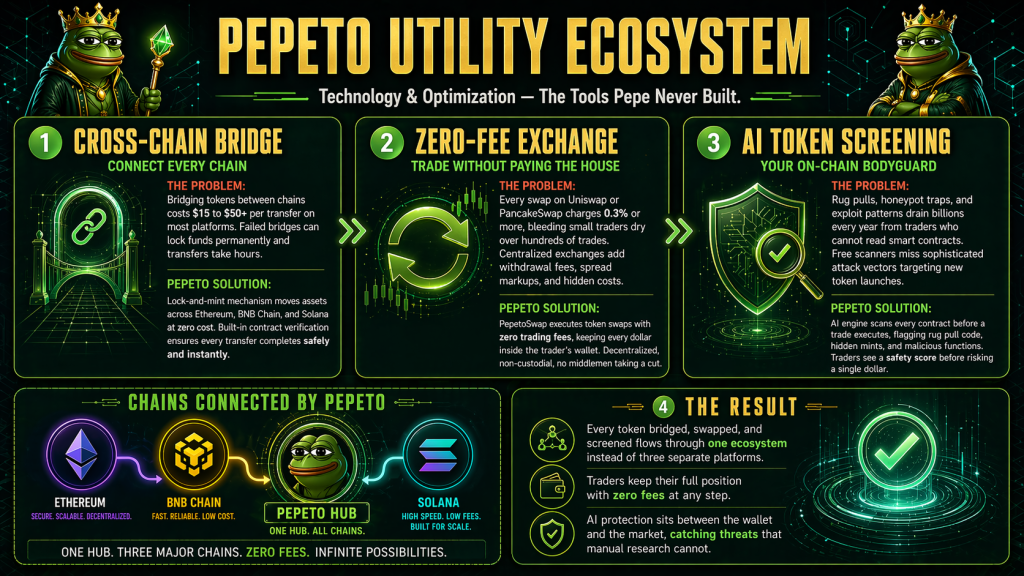
Which Are the Top 3 Cryptos to Buy Now as Solana Lands Mastercard and Pepeto Presale Nears Sold-Out Close
Ondas (ONDS) Stock Soars After Revenue Explodes Over 1,000% in Q1 2026




